Dr Zanetor Calls for Urgent Measures to Protect the Public from Radiation Risks
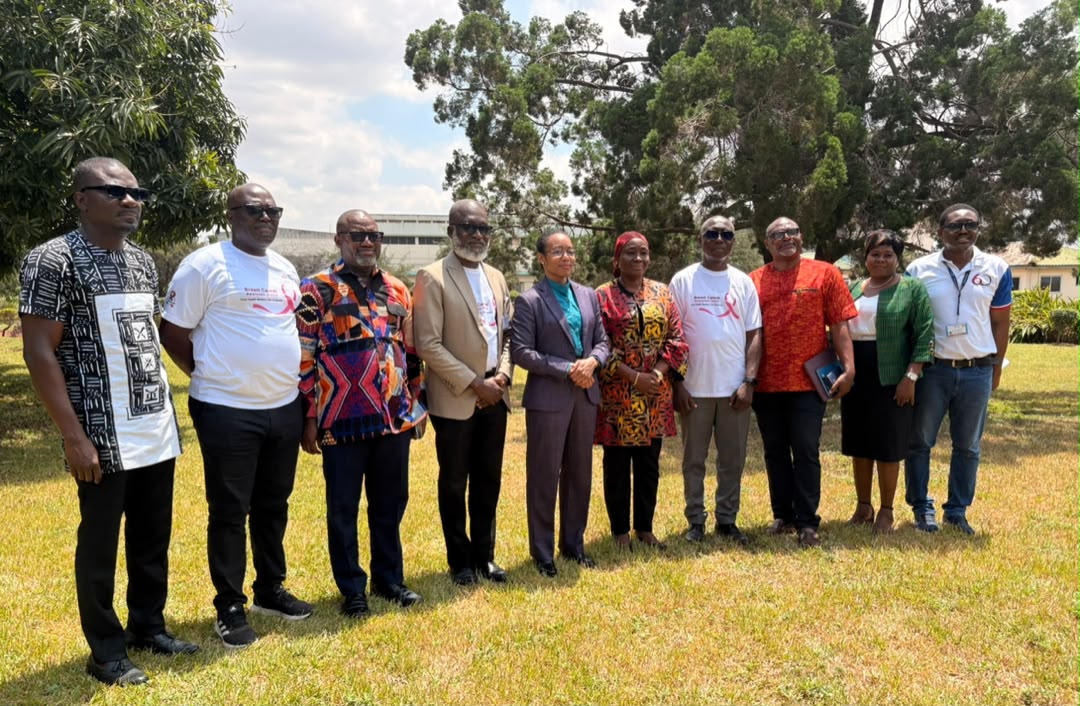
The Minister for Environment, Science and Technology, Dr Zanetor Agyeman-Rawlings, has called for urgent measures to strengthen public protection against radiation risks, with particular attention to radon gas exposure in homes and other enclosed spaces.
She said the Ghana Atomic Energy Commission (GAEC) and its partner institutions must intensify public education, strengthen radiation monitoring and establish clear timelines for addressing identified risks to protect public health.
Dr Agyeman-Rawlings made the call on Friday during a working visit to the Commission in Accra to assess its operations, engage management and staff, and identify challenges affecting the effective delivery of its mandate.
She expressed concern about the limited public awareness of radon, a naturally occurring radioactive gas that can accumulate in buildings and increase the risk of lung cancer when inhaled over a prolonged period.
The Minister urged the Commission to educate the public on the dangers of radon and promote preventive measures, including adequate ventilation in homes and other enclosed buildings.
She stressed, however, that public education must be supported by practical interventions to identify areas with high radon concentrations and put appropriate safeguards in place to minimise exposure.
Dr Agyeman-Rawlings said strengthening the regulatory framework was essential to ensuring that radiation risks were properly assessed and managed, while improving scientific research capacity would support evidence-based interventions.
The Director of the Radiation Protection Institute of GAEC, Dr Eric Tetteh Glover, also called for stronger regulatory measures and intensified public education to protect Ghanaians from exposure to radon.
He explained that radon was released from rocks and soil and could accumulate in poorly ventilated buildings, exposing occupants to health risks without their knowledge.
Dr Glover said prolonged exposure to high concentrations of radon could damage lung tissue and increase the risk of lung cancer, including among people who had never smoked.
He noted that Ghana currently had no specific legislation requiring radon inspections during house construction, creating a gap in efforts to identify and manage the risk in buildings.
The Commission, he said, was working to address the gap through measures aimed at strengthening radon monitoring, identifying high-concentration areas and promoting appropriate building standards to minimise exposure.
Dr Glover said particular attention was needed in residential buildings and underground working environments, where radon could accumulate and pose risks to occupants and workers.
The proposed measures, he said, would help improve the identification and management of radon risks and strengthen public protection against the harmful effects of prolonged exposure.
Judith Twumwaa, ISD