NACOC Seeks Enhanced US Support to Strengthen Drug Enforcement Capacity
The Narcotics Control Commission (NACOC) has called for increased specialised training and operational support from the United States to strengthen its capacity to combat drug trafficking and organised crime.
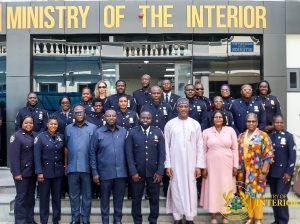
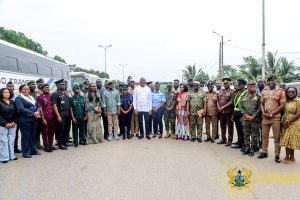
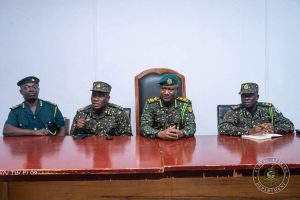
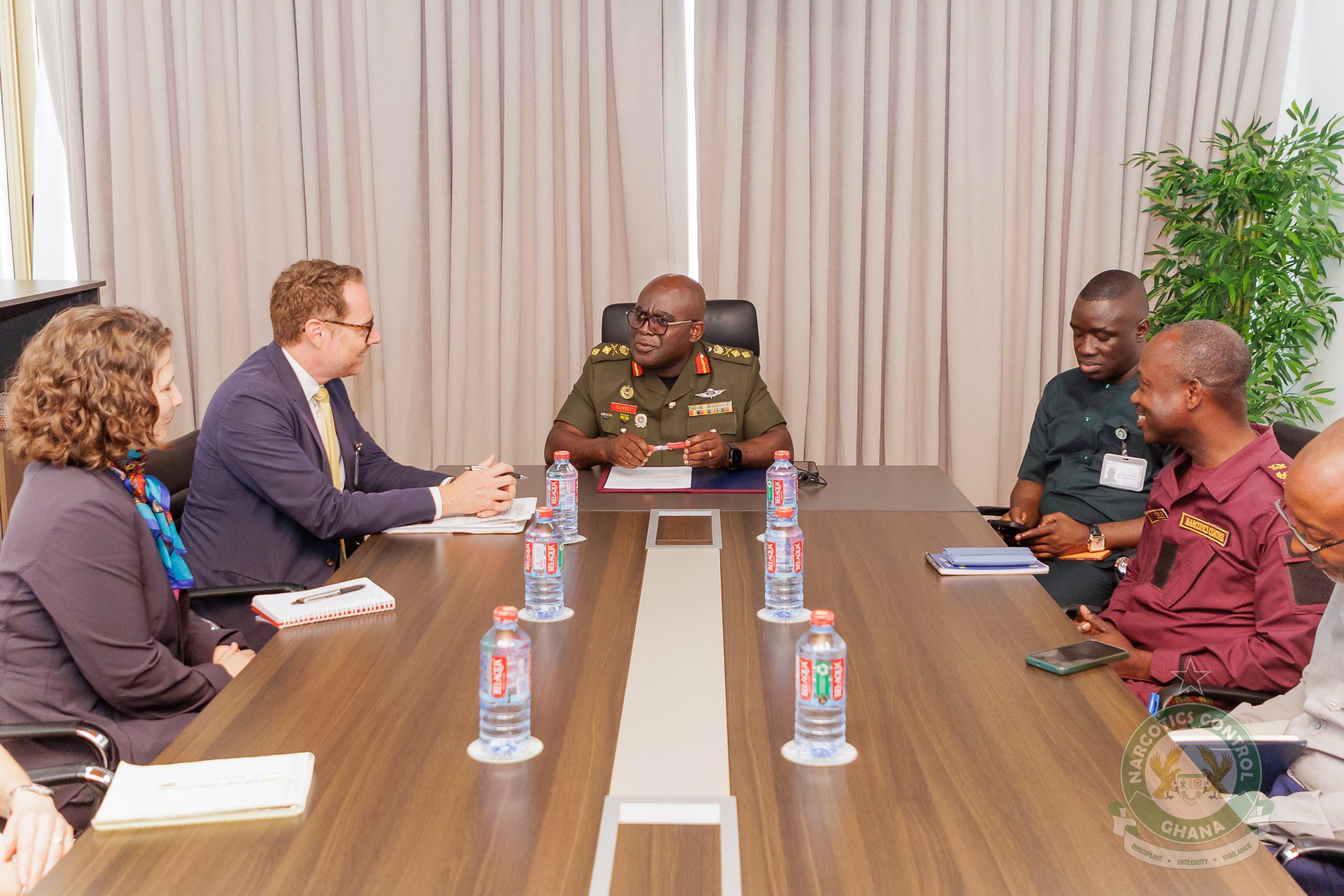
The Director-General of NACOC, Major General Maxwell Obuba Mantey, made the appeal during a working visit by the Director of International Narcotics and Law Enforcement Affairs (INL) at the United States Department of State for Africa and the Middle East, Mr Andrew McDonald, and his delegation to the Commission’s management in Accra on Thursday.
The engagement focused on deepening cooperation between NACOC and the United States in intelligence sharing, capacity building, specialised training and logistical support to improve the Commission’s effectiveness in tackling illicit drug activities and related organised crime.
Major General Mantey expressed appreciation to the INL and the United States Drug Enforcement Administration (DEA) for their continued support and collaboration with NACOC.
He emphasised the need for expanded training opportunities for officers of the Commission, particularly in intelligence gathering, criminal investigations and prosecution, to strengthen their professional competence and operational effectiveness.
According to him, sustained investment in the skills and capabilities of NACOC personnel would be critical to positioning the Commission as a leading drug law enforcement agency in Africa.
He noted that strengthening these specialised areas would enhance the Commission’s ability to respond to the increasingly complex nature of drug trafficking and organised criminal networks.
Mr McDonald, on behalf of his delegation, expressed confidence in NACOC’s commitment to addressing drug trafficking and organised crime.
He reaffirmed the United States’ readiness to continue supporting the Commission through specialised training programmes and logistical assistance aimed at improving its operational capacity.
The support, he said, would contribute to strengthening NACOC’s ability to carry out its mandate and respond more effectively to emerging threats associated with illicit drugs and organised crime.
Judith Twumwaa, ISD