Communications Minister calls for inclusive technology to bridge Africa’s digital divide
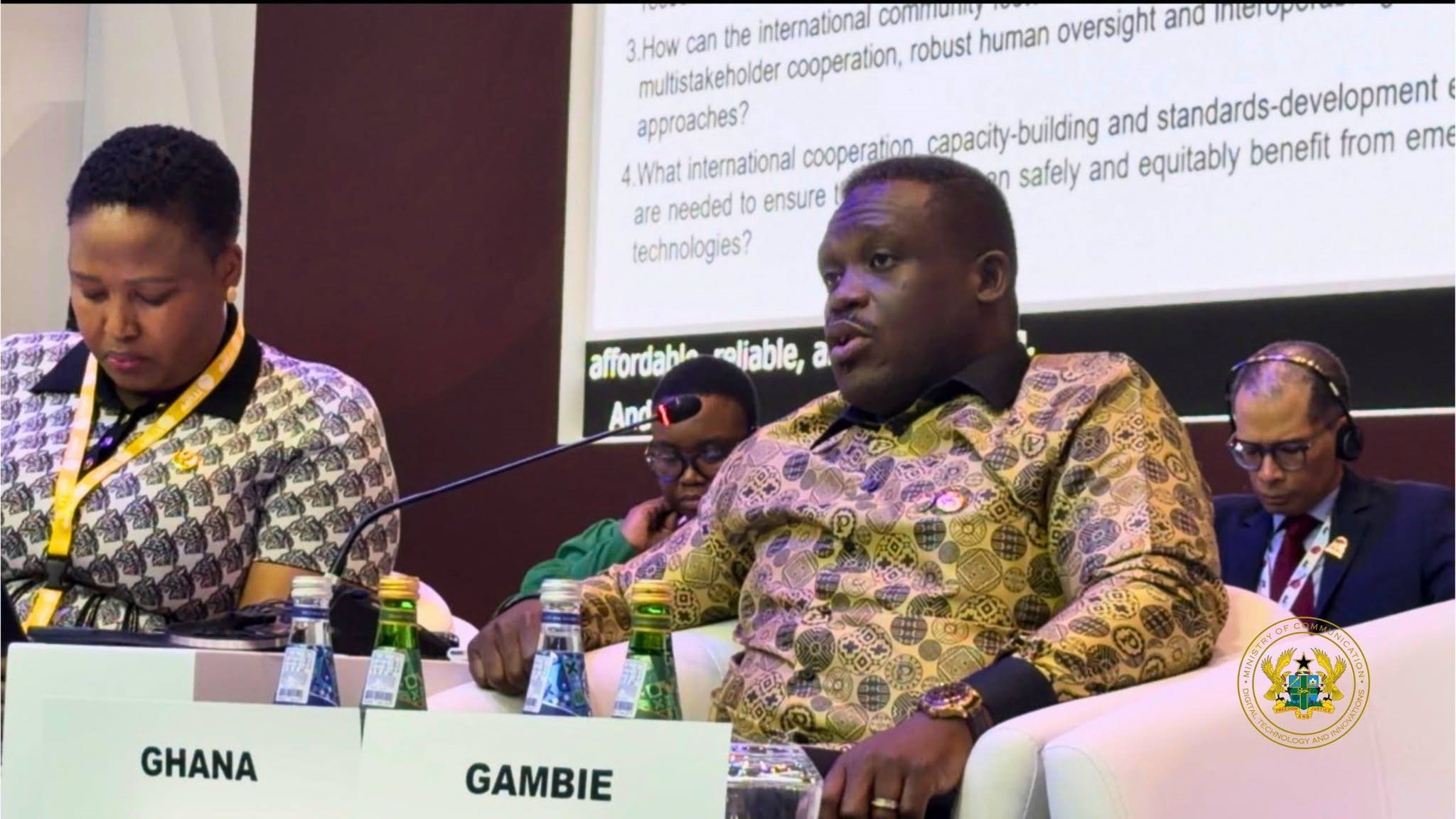
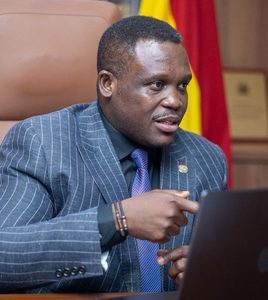
The Minister for Communication, Digital Technology and Innovations, Samuel Nartey George, has called for emerging technologies, particularly artificial intelligence (AI), satellite connectivity and digital infrastructure, to be designed around human needs to ensure that technological advancement does not deepen existing inequalities.
He said technology must deliver tangible benefits to ordinary people, especially vulnerable populations and communities with limited access to digital services.
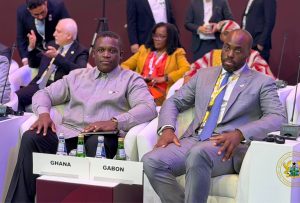
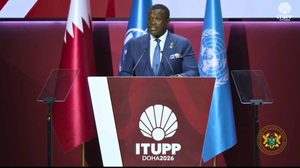
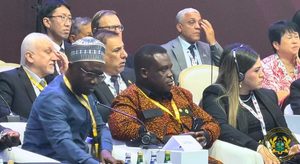
He made the call on Wednesday during a panel discussion on emerging technologies on the sidelines of the ongoing International Telecommunication Union (ITU) Plenipotentiary Conference 2026 (PP-26) in Doha, Qatar.
Mr George used four hypothetical Ghanaian experiences to demonstrate how decisions taken at international technology and policy forums could shape access to healthcare, connectivity and other essential services.
He disclosed that the service had enrolled more than 7,000 mothers and expectant mothers at one hospital in Ghana, illustrating the potential of technology to improve maternal healthcare and extend essential services to underserved populations.
The Minister said the example demonstrated that digital innovation should not be measured solely by technological sophistication but by its ability to solve practical problems, particularly in communities where internet access remained limited.
On digital connectivity, he cautioned that expanding network coverage alone was not enough, stressing that access must also be affordable, reliable and meaningful.
He called for increased investment in digital infrastructure, skills development and local content, particularly to ensure that underserved communities benefited from the opportunities offered by the digital economy.
On satellite connectivity and spectrum management, Mr George advocated equitable access to limited orbital and spectrum resources, warning against allowing countries or companies that launched satellites first to claim ownership or exclusive control of space resources.
He also called for responsible and accountable artificial intelligence systems capable of understanding local languages and reflecting the realities of different communities.
Mr George urged stronger collaboration among governments, industry, academia and civil society to develop regulatory frameworks and standards that reflected the interests of all countries.
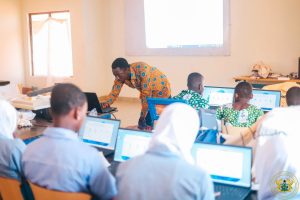
Highlighting Ghana’s efforts to build indigenous technological capacity, he cited the One Million Coders Programme, which had attracted more than 140,000 registrations.
He said young people must be equipped not only to use digital technologies but also to develop, innovate and create solutions that address local challenges.
The Minister called for international partnerships that prioritised local capacity-building rather than dependency, urging increased investment, technology transfer and South-South cooperation.
Mr George reaffirmed Ghana’s readiness to contribute to international efforts to promote inclusive, trustworthy and sustainable digital development.
Judith Twumwaa, ISD