Government to Formalize Role of Traditional Fisheries Leaders in Decision-Making
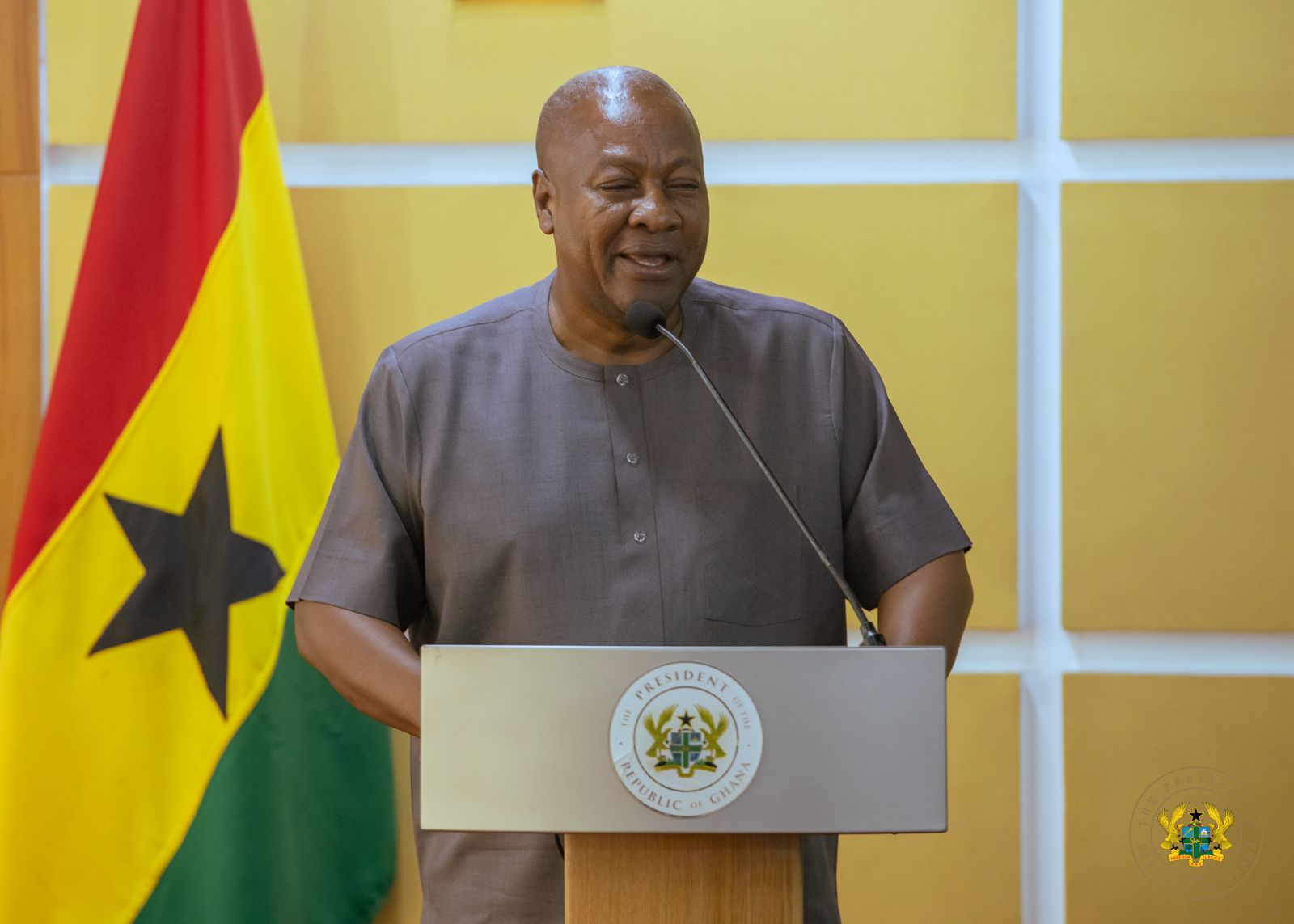
The government is committing to formalize and integrate traditional Chief Fishermen and Green Fishmongers into fisheries co-management structures.
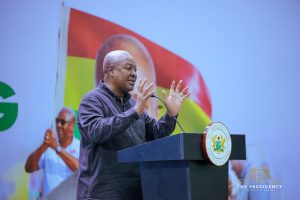
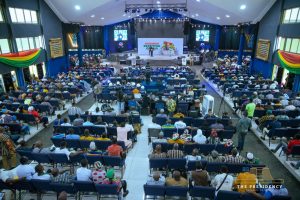
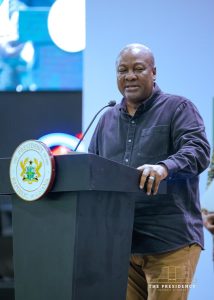
President John Dramani Mahama announced this during the commemoration of the 2025 World Fisheries Day in Accra on Friday.
The President said this change represents a shift in how fisheries governance will operate going forward. According to the president, the move bridges traditional authority with modern regulation, recognizing the enduring role of community leaders in managing the sector.
“No reform will succeed without your leadership,” President Mahama told the assembled fishermen and fishmongers at the conference.
He noted that historically, Chief Fishermen and Green Fishmongers have ensured discipline by allocating landing spaces, enforcing non-fishing days, mediating disputes, and maintaining order at landing sites and markets.
The president said that although market shifts and reduced institutional support have challenged their roles in recent years, the authority and legitimacy of these traditional leaders remains strong.
He pledged that his government will restore, respect, and formalize their positions within the new governance framework.
“I pledge that this government will restore, respect and formalize your roles,” Mahama said during his address.
The President announced several directives to strengthen the leadership of Chief Fishermen and Green Fishmongers.
He said they will be formally included in all fisheries co-management structures as the first step in this institutional reform.
According to the president, traditional councils and district assemblies will be supported in formalizing and implementing traditional bylaws on non-fishing days, restricted gear, and community surveillance.
This approach, according to him, will move beyond tradition alone by placing these rules into enforceable bylaws.
He said the government will also establish direct reporting lines to allow community-based surveillance networks to detect illegal activities early.
He added that capacity building will be provided to community leaders through structured training at the Arnaburg Fisheries College in fisheries law, compliance and enforcement, public resolution, and financial management.
The president noted that the government will integrate traditional ecological knowledge into resource assessment, coastal planning, and coastal resource management.
He said this recognition of indigenous knowledge informed his decision to appoint Ms. Andrew Wilson as International Advisor on Indigenous Knowledge and Traditional Practices.
“The future of Ghana’s fisheries depends on what we are going to be committed to today,” the president said, urging Chief Fishermen and Green Fishmongers to champion responsible fishing practices and lead community education and discipline.
Richard Aniagyei, ISD