Interior Minister Tasks REGSEC, MMDCEs to Embrace Intelligence-Led Security

The Minister for the Interior, Muntaka Mohammed-Mubarak, has called on the Ashanti Regional Security Council (REGSEC) and Metropolitan, Municipal and District Chief Executives (MMDCEs) to shift from reactive security management to intelligence-led prevention as Ghana begins implementing the Security and Intelligence Agencies Act, 2026 (Act 1168).
He said the changing nature of security threats requires a proactive, coordinated approach that places greater emphasis on early detection, intelligence gathering, and preventive action at the regional, district, and community levels.
“Let us move from reaction to prevention, from fragmented efforts to coordinated action and from information sharing to intelligence-led security management. National security cannot be secured from Accra alone but must be built in regions, districts and communities,” he stated.
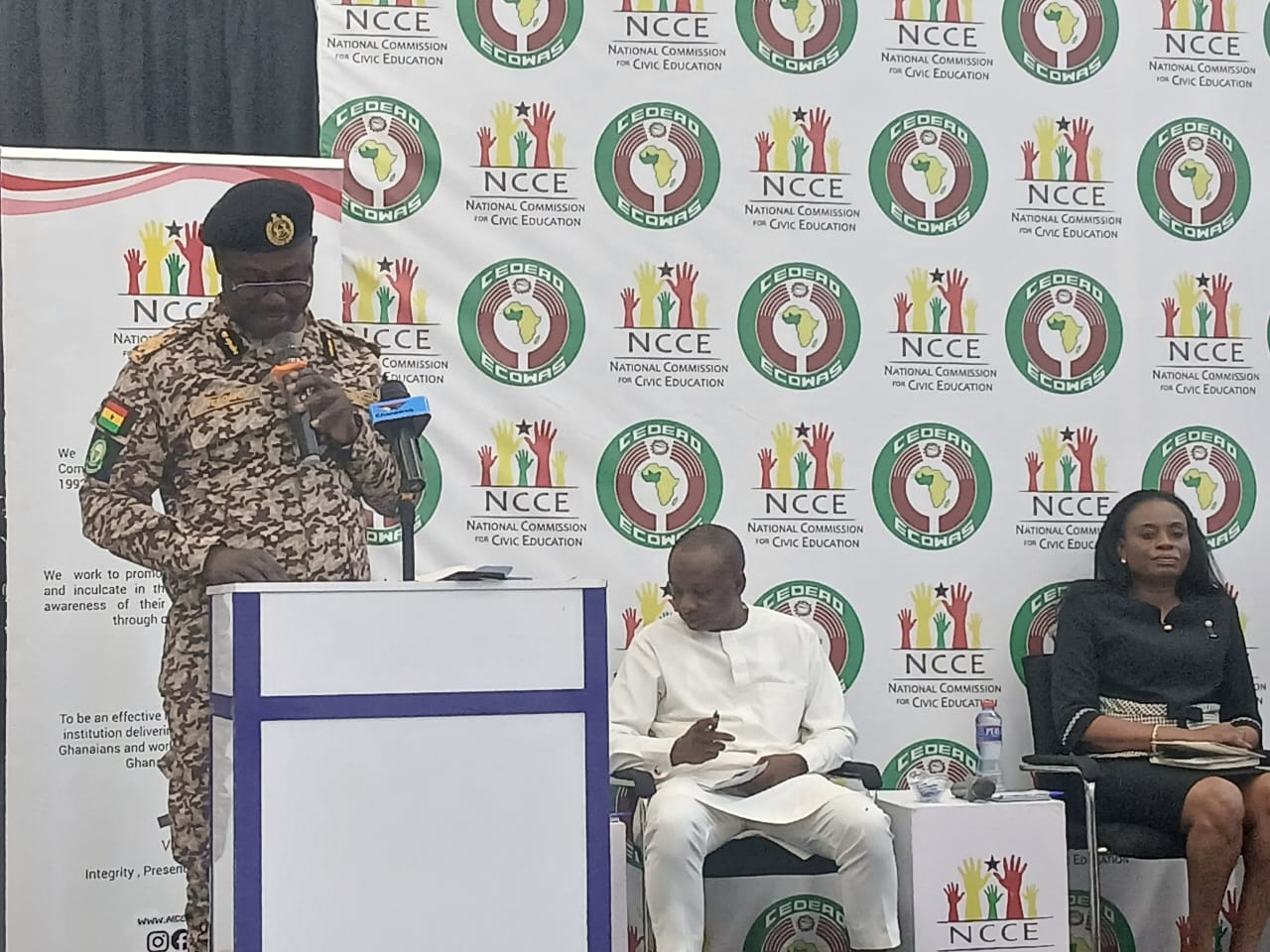
Mr Muntaka made the call on Thursday in Kumasi when he addressed a workshop for members of the Ashanti Regional Security Council and MMDCEs on the implementation of Act 1168.
He said the effectiveness of the new legislation would depend largely on how well it was translated into practical security measures at the regional and local levels.
The Minister said MMDCEs, as the government’s closest representatives to communities, occupied a strategic position in identifying early warning signs of potential security threats.
He noted that their regular engagements with traditional leaders, religious authorities, youth groups, traders, farmers and civil society organisations gave them access to valuable information on emerging tensions and developments within their jurisdictions.
Mr Muntaka, therefore, urged MMDCEs to strengthen collaboration and intelligence sharing with security agencies and community leaders to ensure that potential threats were identified and addressed before they escalated.
He stressed that no single institution possessed all the information needed to effectively manage the country’s increasingly complex security environment, making collaboration among security agencies, local authorities and communities essential.
The Minister further tasked REGSEC to move beyond treating security incidents as isolated occurrences and instead focus on identifying emerging patterns and trends.
He explained that where criminal activity extended from one municipality to another, or where a local dispute had the potential to affect neighbouring districts, the development should be identified early and promptly escalated for coordinated intervention.
Mr Muntaka commended the Ashanti Regional Minister and members of REGSEC for their commitment to maintaining peace and security in the region.
He, however, cautioned that the evolving nature of modern security threats demanded stronger early-warning mechanisms, improved coordination and timely action to prevent incidents from developing into wider security challenges.
He said the implementation of Act 1168 provided an opportunity to strengthen Ghana’s security architecture by ensuring that intelligence and preventive action became integral to security management at all levels of governance.
Judith Twumwaa, ISD