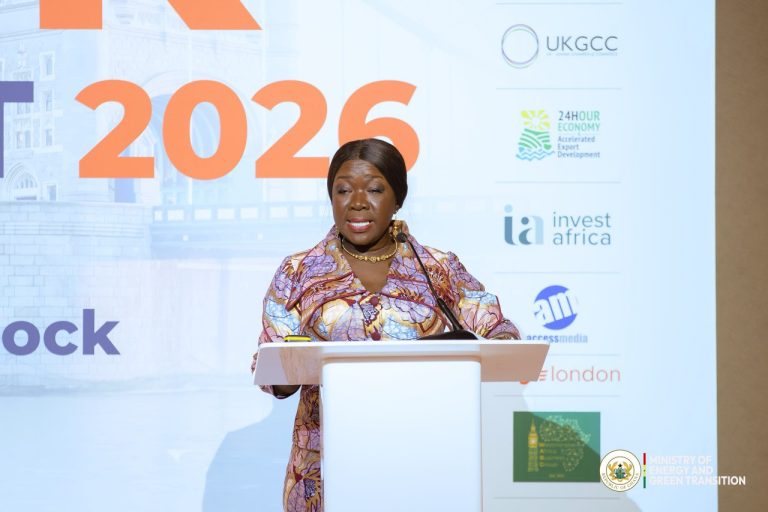
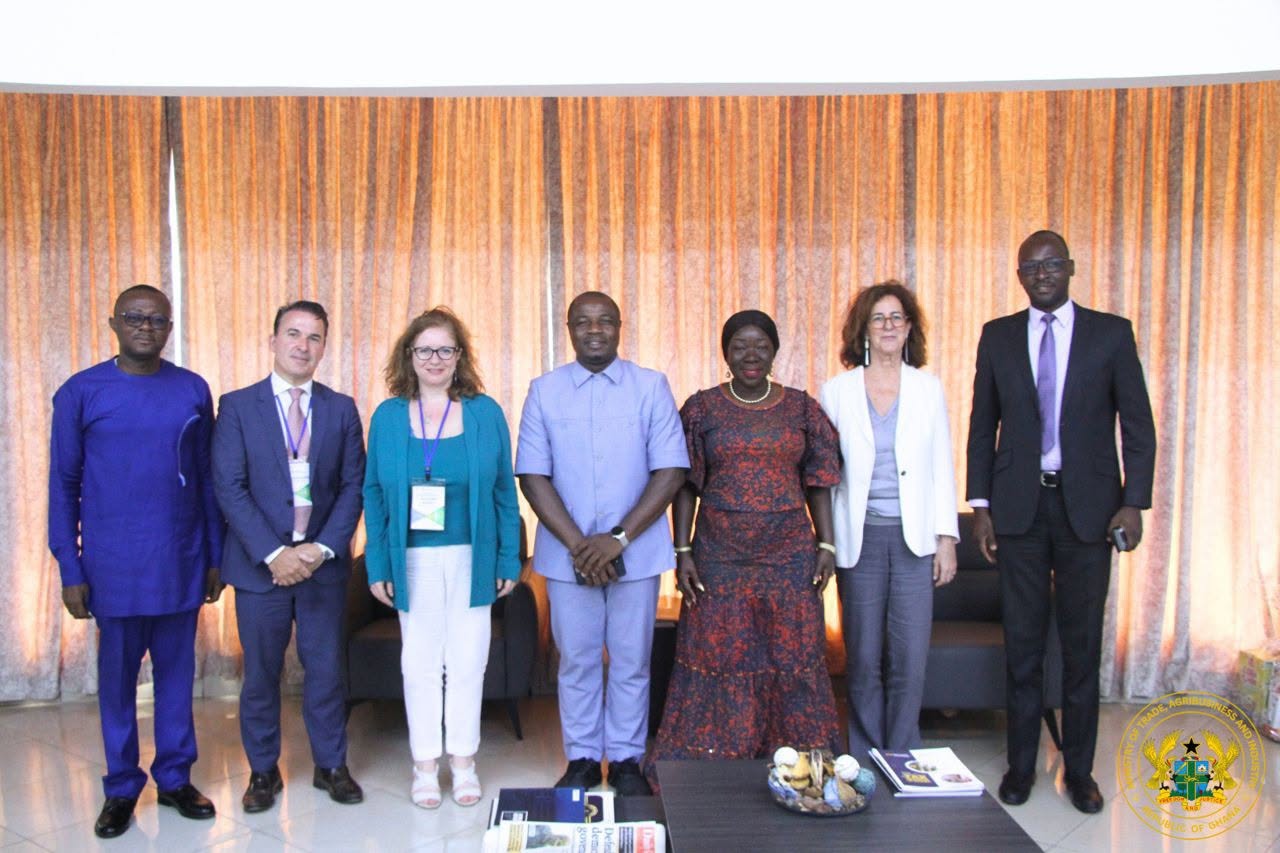
The Minister for Trade, Agribusiness and Industry, Madam Elizabeth Ofosu-Adjare, has reaffirmed government’s commitment to reducing greenhouse gas emissions by 64 percent by 2030, as she seeks Italian partnership to drive it.
She made the remarks at the opening of the Ghana–Italy Circular Economy Dialogue in Accra on Tuesday.
She stressed that achieving this target will require substantial investment, advanced technology and supportive industrial policies.
The Minister tied the emissions target directly to Ghana’s circular economy agenda, noting that the country is actively integrating circular economy principles into its national industrial development agenda.
She highlighted ongoing initiatives across key sectors that support this transition, including the conversion of agricultural waste into bio-inputs and energy, the promotion of industrial symbiosis in manufacturing, the use of recycled materials in construction, and sustainable practices in the textiles and fashion industry.
According to the Minister, these efforts are aimed at boosting productivity, reducing import dependence, and enhancing export competitiveness, in addition to supporting Ghana’s climate commitments.
She called for stronger Ghana-Italy collaboration to mobilise the investment, technology transfer, and supportive policies needed to meet the 2030 target.
She outlined that Ghana seeks collaboration with Italy in five key areas, which are technology and knowledge transfer, investment promotion, skills development, standards and market access alignment, and green finance.
She invited Italian businesses, particularly small and medium-sized enterprises (SMEs), to consider Ghana as a gateway to the wider ECOWAS market of over 340 million people and beyond.
The Minister called for stronger partnerships with the Ghana Standards Authority, Italian and European certification bodies and the United Nations Industrial Development Organization (UNIDO) to support green industrial zone development, improve sustainability reporting and enhance the competitiveness of Ghanaian exporters.
She also urged universities, including the University of Professional Studies, Accra (UPSA), to play a more active role in connecting research, entrepreneurship, and investment, positioning them as drivers of innovation within Ghana’s green industrial ecosystem.
Madam Ofosu-Adjare described the two-day forum as a timely platform to translate partnerships into tangible industrial outcomes, including job creation, innovation, and increased competitiveness.
She noted that Ghana and Italy have built a strong relationship based on mutual respect and shared development goals, adding that the dialogue represents a new chapter in bilateral economic cooperation.
Italian Ambassador to Ghana, H.E. Laura Ranalli, said Italy leads major European economies in key circular economy metrics, including waste recycling rates and the use of secondary raw materials, citing a circular material use rate of 20.8 percent, almost double the European Union average of 11.8 percent.
She pledged the commitment of the Italian government to supporting Ghana’s green industrial transformation agenda.
Adwoa Koramah Anokye-Gyimah, ISD