Stakeholder Collaboration Key to Improving Adolescent Health -National Population Council
The National Population Council (NPC) has called for sustained collaboration among government institutions, development partners and other stakeholders to improve the health and well-being of adolescents and young people in Ghana.
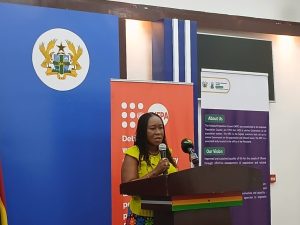
The Acting Executive Director of the NPC, Madam Angelina Osei Kodua Nyanor, said stronger partnerships and coordinated action were necessary to ensure the effective implementation of sexual and reproductive health policies and programmes for young people.
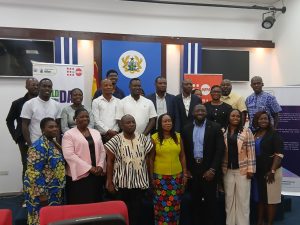
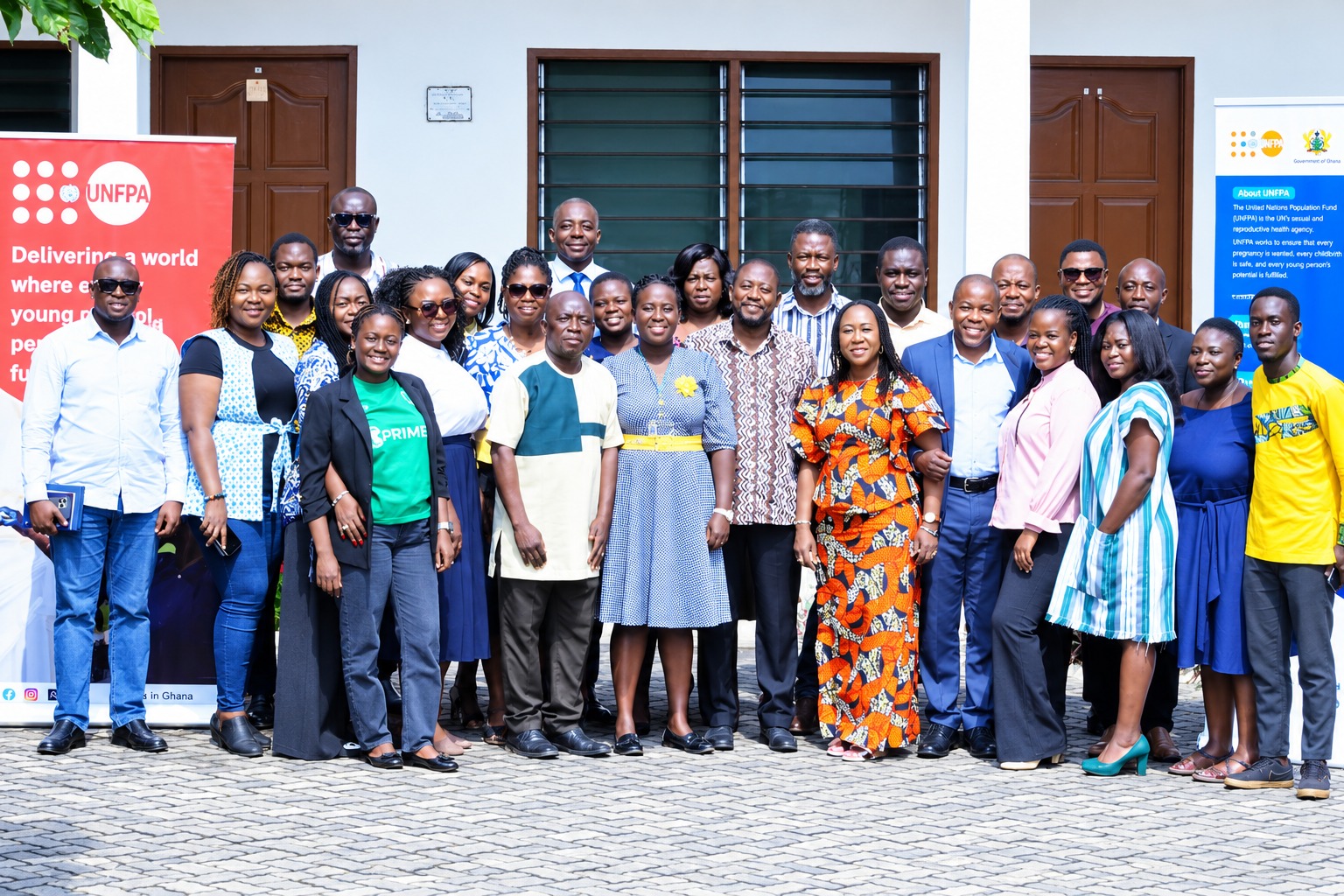
She made the call at the Third High-Level Coordination Meeting of Partners in Adolescent Sexual and Reproductive Health Policy (SRH) Implementation and Advocacy in Accra on Thursday.
Madam Osei Kodua Nyanor said the coordination meeting provided an opportunity for stakeholders to reflect on progress made, identify implementation gaps and agree on actions to strengthen adolescent sexual and reproductive health programmes.
She said the first and second coordination meetings had provided platforms for partners to review progress, identify gaps and strengthen collaboration in the implementation of sexual and reproductive health policies.
“This meeting will reflect on our shared commitment to improving the health and well-being of adolescents and young people in Ghana through stronger collaboration, coordinated action and effective implementation”, she said.
According to her, the success of efforts to improve adolescent health depended on the active participation of all stakeholders, including institutions and partners whose expertise and experience could contribute to better policy implementation.
She encouraged participants to share their experiences and make practical recommendations that could guide the next steps in addressing challenges affecting adolescent sexual and reproductive health.
Madam Osei Kodua Nyanor also expressed appreciation to the Government of Ghana, the President and the United Nations Population Fund (UNFPA) for their support towards the organisation of the meeting.
She further commended partners for their continued support and willingness to contribute to activities aimed at improving sexual and reproductive health outcomes among adolescents and young people.
She said the NPC was committed to extending the coordination platform to other stakeholders to broaden collaboration and strengthen collective action on adolescent health.
The Programmes Manager on Adolescent Health Development at the Ghana Health Service (GHS), Madam Sharifa Mohammed, called for a common and consistent message on adolescent sexual and reproductive health to prevent confusion among young people seeking information and services.
She said some adolescents were discouraged from visiting health facilities because of fear of judgement or negative experiences with service providers.
She noted that the GHS was also using digital platforms to provide adolescents with confidential access to information and counselling.
Madam Sharifa therefore urged that messaging and services be adapted to the needs and circumstances of different groups of adolescents.
Joyce Adwoa Animia Ocran, ISD