Defence Minister Calls for Unified African Response to Maritime Security Threats
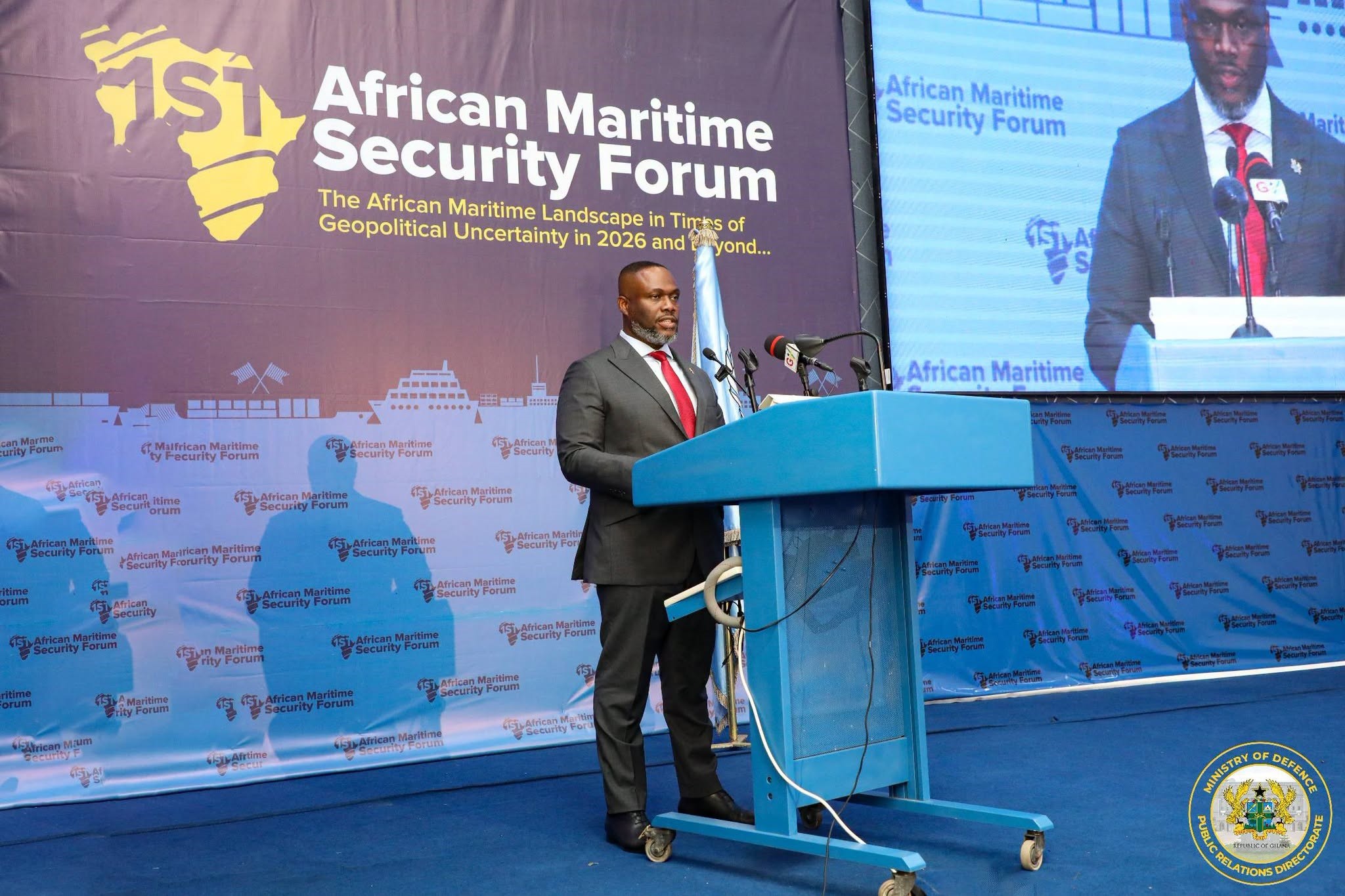
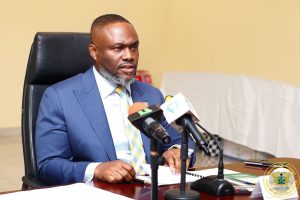
The Minister for Defence, Kenneth Gilbert Adjei, has called for a coordinated regional and international response to emerging maritime security threats, warning that no country can effectively tackle piracy, illicit trafficking and transnational organised crime alone.
He said stronger intelligence-sharing, joint operations, institutional capacity-building and effective enforcement of maritime laws were critical to protecting Africa’s maritime domain and securing the continent’s economic interests amid growing geopolitical uncertainty.
Mr Adjei made the call on Wednesday, speaking at the maiden African Maritime Security Forum at the Kofi Annan International Peacekeeping Training Centre (KAIPTC) in Teshie, Accra.
The two-day forum is being held under the theme: “The African Maritime Landscape in Times of Geopolitical Uncertainty in 2026 and Beyond.”
The defence minister stated the strategic importance of the maritime domain to international trade, livelihoods and regional prosperity, noting that persistent security threats could undermine economic activities and stability across the continent.
He said African countries needed to strengthen cooperation and develop practical, intelligence-led strategies to respond to evolving maritime threats, particularly in the Gulf of Guinea.
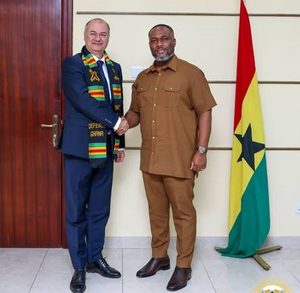
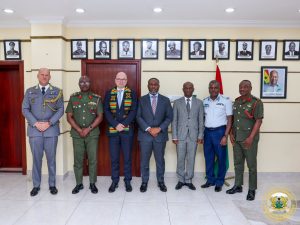
Mr Adjei also highlighted Ghana’s longstanding defence partnership with Denmark, citing support for specialised maritime training, the maritime simulation centre at the Naval Training Command (NAVTRAC), the Ship-in-a-Box anti-piracy training facility, and equipment and tactical training for Ghana Armed Forces personnel.
He said such partnerships demonstrated the value of international cooperation in strengthening maritime security capabilities and preparing security personnel to respond to emerging threats.
The Minister urged participants to move beyond discussions and translate their deliberations into practical recommendations that would improve maritime security across Africa.
Declaring the forum open, Mr Adjei called for stronger partnerships and actionable measures to ensure that African waters remained corridors for lawful trade, cooperation and shared prosperity rather than avenues for criminality and insecurity.
On his part, the Danish Ambassador to Ghana, Mr Jakob Linulf, reaffirmed Denmark’s commitment to maritime peace and stability, stressing the need to protect sea routes that facilitate global trade.
He disclosed that the partnership with the forum’s organising institutions had supported the training of more than 1,000 security personnel across Africa, alongside capacity-building initiatives and the provision of equipment to strengthen naval capabilities.
Mr Linulf said maritime security was closely linked to economic development and freedom of navigation, and called for deeper collaboration to address evolving threats.
The Commandant of KAIPTC, Air Vice Marshal David Anetey Akrong, said coordinated patrols, intelligence-sharing and other security interventions had contributed to a significant reduction in piracy in the Gulf of Guinea.
He, however, cautioned that piracy and other maritime threats continued to pose risks to economic activities, calling for sustained attention to resource constraints, environmental degradation and unemployment.
He emphasised the need for modern technological solutions to strengthen maritime security operations.
Judith Twumwaa, ISD