Deputy Communications Minister Calls on SMEs to Embrace Digital Commerce to Unlock Global Markets
The Deputy Minister for Communications, Digital Technology and Innovations, Mohammed Adams Sukparu, has urged Small and Medium-sized Enterprises (SMEs) in Ghana to leverage digital platforms to increase sales, create sustainable jobs and access international markets.
He said digital technologies have created opportunities for businesses to expand their reach and connect with customers globally without necessarily investing in physical shops or expensive traditional advertising.
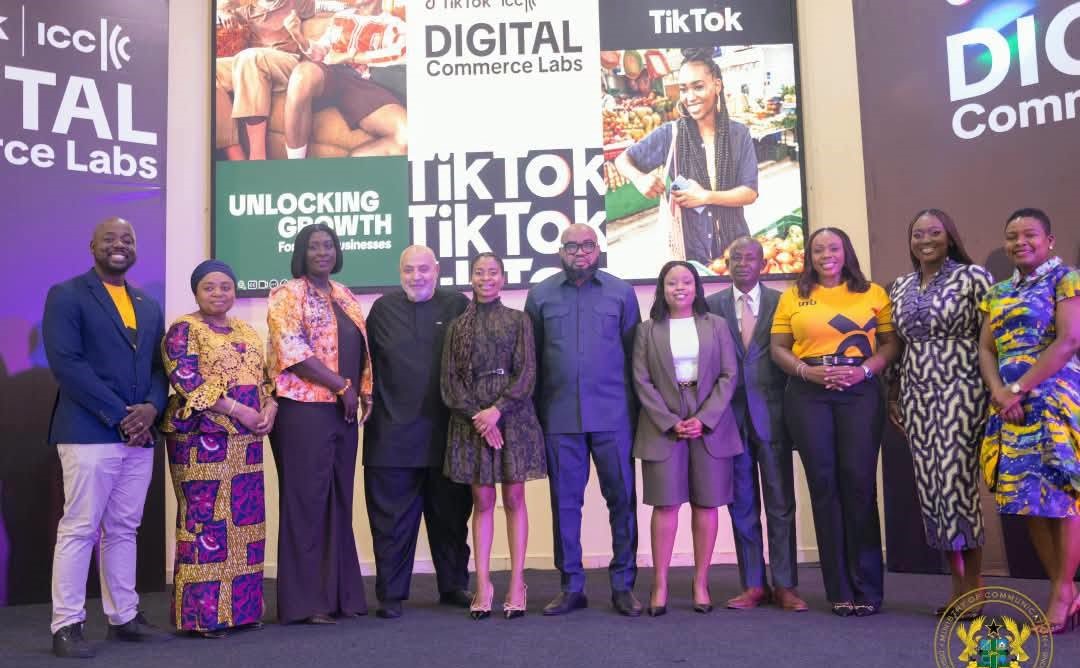
Mr. Sukparu made the call at the launch of the International Chamber of Commerce (ICC)-TikTok Digital Commerce Labs, an initiative aimed at equipping young entrepreneurs and small businesses with practical digital skills to grow their businesses, access wider markets and create employment opportunities.
The Deputy Minister, who delivered the keynote address on behalf of the Sector Minister, described the initiative as timely, particularly as digital technology continues to reshape business operations, consumer behaviour and market access.
He reaffirmed the government’s commitment to digitalisation as a key driver of economic growth, innovation, and inclusive development, emphasising the need to position young people not merely as consumers of technology but also as creators, innovators, entrepreneurs, and employers.
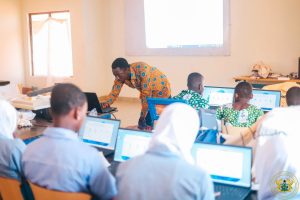
According to him, the Digital Commerce Labs would equip participants with practical competencies in digital marketing, brand development, content creation, business storytelling, social commerce, e-commerce strategies, financial literacy, digital payments and responsible online engagement.
Highlighting the growing commercial potential of content creation, Mr. Sukparu encouraged young people to look beyond entertainment and recognise digital creativity as a viable pathway to entrepreneurship, wealth creation and economic growth.
He challenged participants to prioritise value creation, build trusted brands, and develop sustainable businesses rather than focusing solely on online visibility and follower counts.
The Deputy Minister also called on the implementing partners to establish a practical framework to measure the programme’s impact, with particular attention to skills development and certification, business formalisation and sustainability, access to markets and finance, as well as effective monitoring and evaluation.
He further urged the organisers to extend the programme beyond major urban centres to ensure that young entrepreneurs and businesses across the country benefit from the opportunities offered by digital commerce.
He also encouraged stronger linkages with relevant government institutions to complement existing national initiatives aimed at supporting entrepreneurship, digital inclusion and private-sector development.
The deputy minister stressed that the success of the initiative should not be measured solely by the number of people trained but also by the businesses established, jobs created, income opportunities generated and enterprises supported.
He commended the partnership involving the International Chamber of Commerce (ICC), TikTok, the Ghana Enterprises Agency (GEA), Universal Merchant Bank (UMB) and SAO, noting that sustainable economic transformation required strong collaboration among government, the private sector, international institutions and other stakeholders.
Judith Twumwaa, ISD