Ghana Reviews Labour Migration Policy to Improve Protection for Migrant Workers
Ghana is reviewing its labour migration policy to address emerging labour market demands, close gaps in worker protection and ensure that Ghanaians seeking employment opportunities abroad are recruited and treated fairly.
The Ministry of Labour, Jobs and Employment has begun reviewing the National Labour Migration Policy (2020–2024) and developing a new framework for 2027–2032, with emphasis on ethical recruitment, migrant workers’ rights and the economic benefits of labour mobility
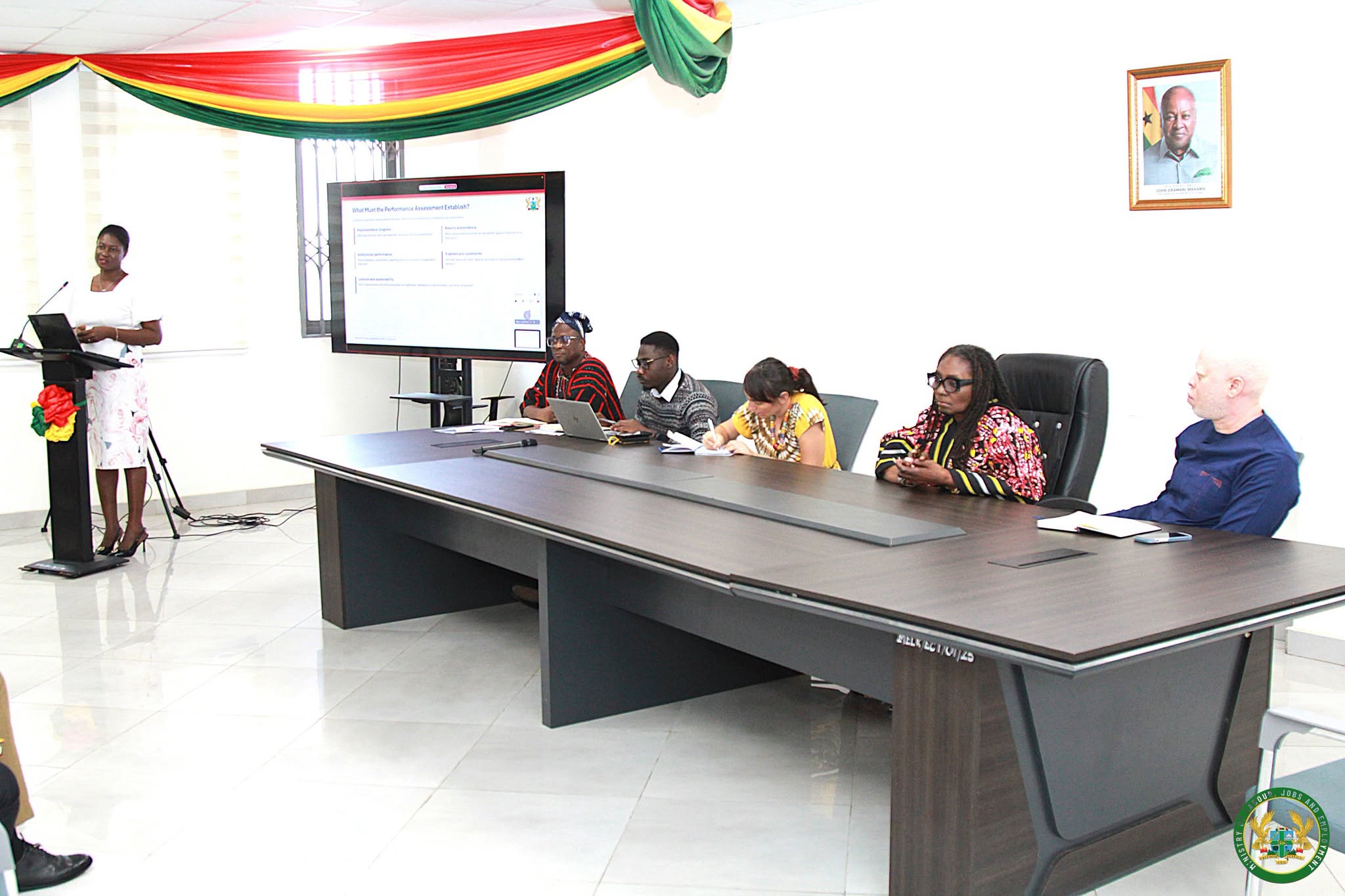
The process began with an inception meeting in Accra, which brought together members of the National Labour Migration Technical Working Group, development partners, consultants and representatives of relevant government institutions.
The review will assess how the existing policy has been implemented, examine challenges encountered and identify lessons to guide the development of a more effective and responsive framework for managing labour migration.
Opening the meeting, the Director of Policy, Planning, Monitoring and Evaluation (PPME), Gloria Bortele Noi, stressed the need for an evidence-based assessment, stronger institutional coordination and reliable data to improve labour migration governance.
She urged participating institutions to submit accurate implementation reports and relevant supporting documents to help determine the progress made under the existing policy and identify gaps that need to be addressed.
The revised policy is expected to respond to changing labour market demands while strengthening safeguards for migrant workers and protecting their rights. It will also outline measurable priorities, clearly defined institutional responsibilities, implementation timelines and financing arrangements.
The review will also consider emerging initiatives, including the Ghana Labour Exchange Programme and the African Continental Free Trade Area (AfCFTA), particularly their implications for skills matching, ethical recruitment, pre-departure preparation and the protection of workers seeking employment opportunities abroad.
The Ministry acknowledged the support of the International Labour Organisation (ILO), the European Union and other participating institutions, noting that their collaboration would be essential to building a coordinated labour migration system.
The new framework is expected to promote decent work, improve protection for migrant workers and ensure that labour mobility contributes more meaningfully to national and regional development.
Grace Acheampong, ISD.