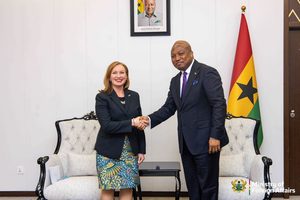
Ghana, Tunisia Seek Stronger Bilateral Ties Through Expanded Cooperation
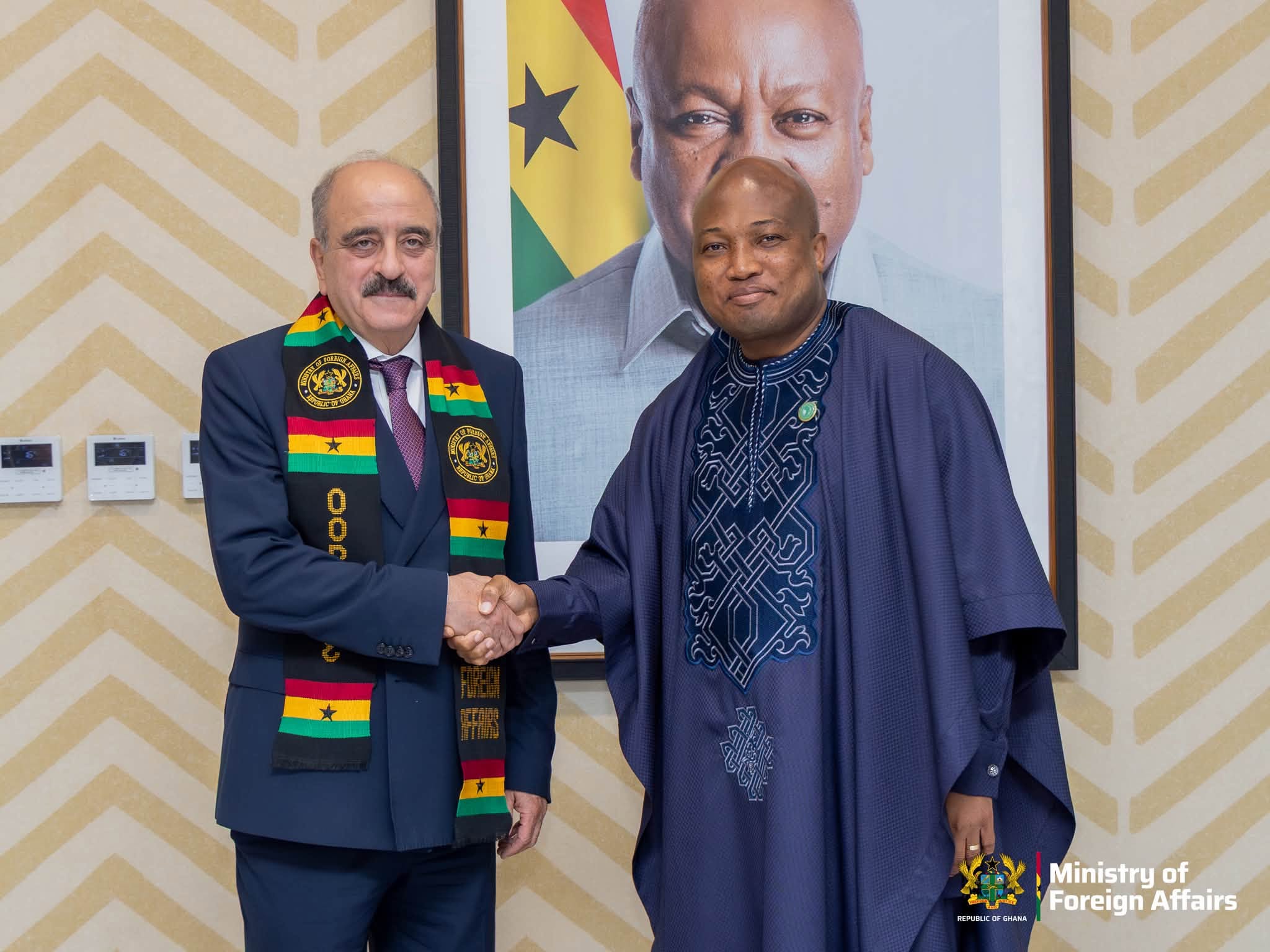
Ghana and Tunisia have reaffirmed their commitment to strengthen bilateral relations through expanded cooperation in trade, investment, education, technology, security and other strategic sectors.
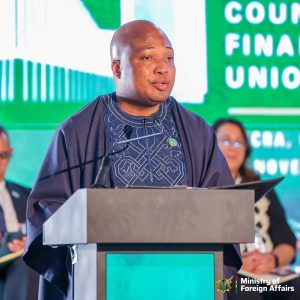
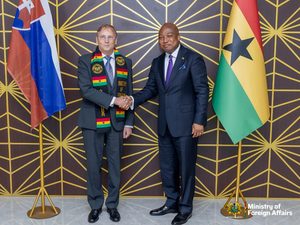
The renewed commitment followed a meeting between the Minister of Foreign Affairs, Mr Samuel Okudzeto Ablakwa, and his Tunisian counterpart, Minister of Foreign Affairs, Migration and Tunisians Abroad, Mr Mohammed Ali Nafti, during a courtesy call at the Ministry of Foreign Affairs in Accra on Friday.
The discussions focused on identifying practical measures to deepen cooperation, strengthen diplomatic relations and accelerate the implementation of existing bilateral commitments.
During the meeting, Mr Ablakwa called for the revival of the Ghana-Tunisia Joint Commission to provide an institutional framework for coordinating bilateral initiatives and monitoring progress in areas of mutual interest.
He also stressed the need to expedite the finalisation of pending bilateral agreements to provide a stronger legal foundation for cooperation between the two countries.
The Minister identified vocational training, higher education, digital technology, women’s empowerment, aviation and sports as priority areas for collaboration.
He proposed a review of visa waiver arrangements for holders of diplomatic and service passports to facilitate official engagements and strengthen institutional exchanges.
On diplomatic representation, Mr Ablakwa expressed Ghana’s interest in deepening the countries’ diplomatic presence through the reopening of a permanent Tunisian diplomatic mission in Ghana and the establishment of a Ghanaian diplomatic mission in Tunisia.
On his part, the Tunisian Foreign Minister reaffirmed Tunisia’s commitment to strengthening its longstanding relations with Ghana and proposed the development of a comprehensive action plan to assess existing cooperation, review achievements and identify new partnership opportunities.
He underscored the importance of strengthening the legal framework governing bilateral relations, particularly through the conclusion of outstanding agreements.
Mr. Nafti identified trade and investment, security and military cooperation, health, education, technology and maritime affairs as key sectors offering opportunities for expanded collaboration.
He also proposed the organisation of economic forums in both countries to facilitate business-to-business engagements, promote investment opportunities and deepen commercial relations.
Mr Nafti encouraged Ghana to participate in major economic events in Tunisia as part of efforts to strengthen trade links and create opportunities for businesses in both countries.
Judith Twumwaa, ISD