Gov’t adopts collaborative approach to combating misinformation – Dr Nafisa Mahama
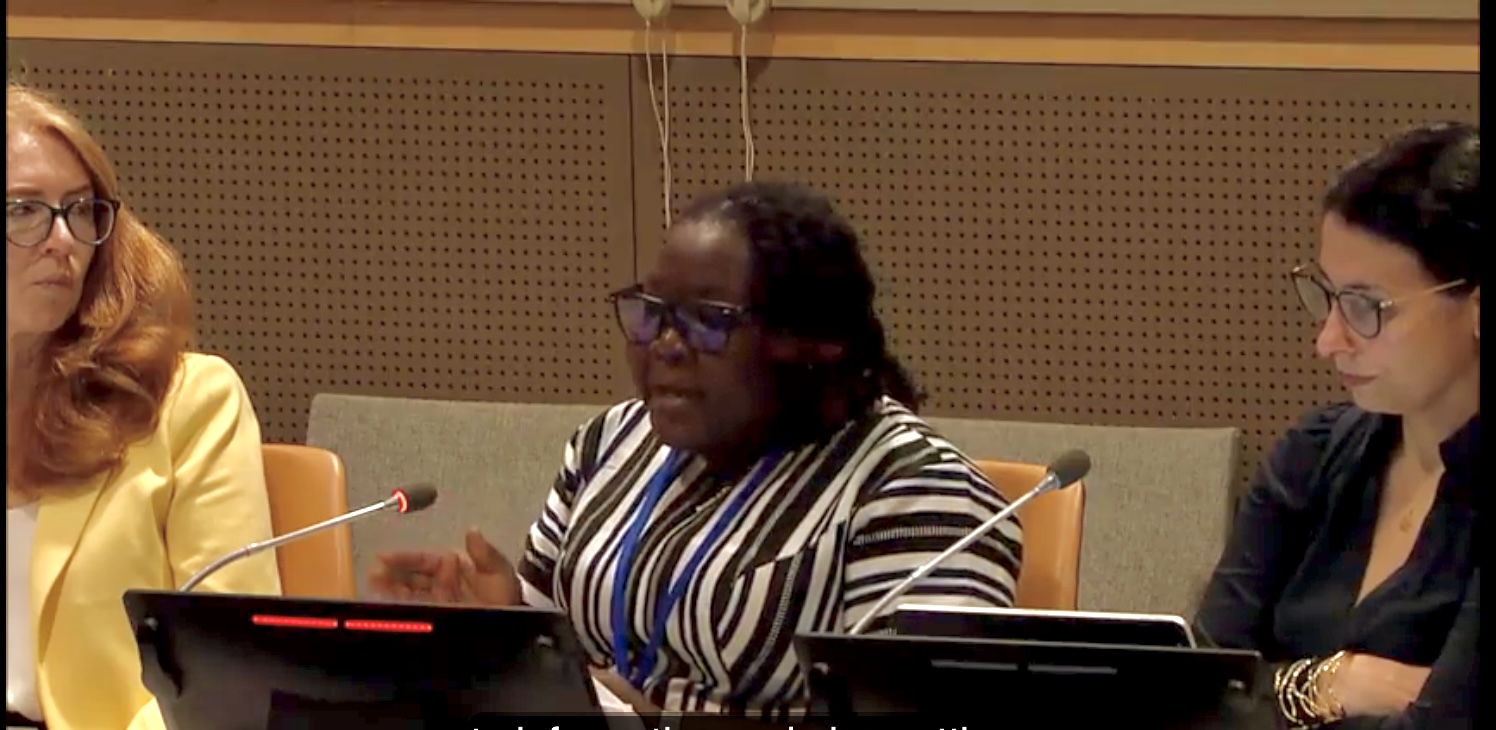
Government of Ghana has adopted a collaborative approach to combating misinformation, built on partnerships between government institutions, civil society organisations, the media and technology companies to strengthen information integrity and improve citizens’ access to credible information.
The Acting Director of the Information Services Department (ISD), Dr Winnifred Nafisa Mahama, made this known at a side event on Advancing Information Integrity held on the margins of the 81st Session of the United Nations General Assembly (UNGA81) in New York.
Dr Mahama said Ghana’s response to information integrity was founded on cooperation rather than government acting alone, noting that the growing challenge of misinformation required the collective efforts of all actors within the information ecosystem.
“Ghana’s response to information integrity is founded on cooperation rather than government doing it alone,” she stated.
She explained that government’s role was to provide the enabling environment and institutional framework that allowed different stakeholders to work together to produce credible information that empowered citizens to make informed decisions.
According to her, information integrity is central to trust, democracy and development because citizens depend on reliable information to participate meaningfully in public life.
Dr Mahama said Ghana’s commitment under the Open Government Partnership had provided a clear framework for addressing misinformation and disinformation through education, citizen engagement and collaboration with key partners.
She noted that while many African countries had enacted Access to Information laws, ensuring that citizens could obtain public information was only one part of the solution.
“The other side is, how do citizens get those information by themselves? How are they even aware that such information exists?” she asked.
Dr Mahama said government was therefore placing strong emphasis on media and information literacy to equip citizens with the skills to distinguish credible information from false or manipulated content, including material generated through artificial intelligence.
She explained that media and information literacy brought information closer to citizens while enabling them to identify misinformation, disinformation and deepfakes before sharing or acting on such content.
The Acting Director said the Information Services Department was supporting the national effort through its network of information officers stationed in districts and communities across the country.
She said the officers were receiving training to recognise false information and provide communities with credible and reliable government information to support informed decision-making.
“If the person, the conveyor of the information himself does not even know his left from his right, how will that person do that?” she said.
Dr Mahama said Ghana’s experience showed that strengthening information integrity was most effective when government, civil society, the media and technology companies worked together, while protecting citizens’ freedom of expression and expanding access to credible public information.
Richard Aniagyei, ISD