GRNMA president calls for comprehensive insurance and improved welfare for nurses
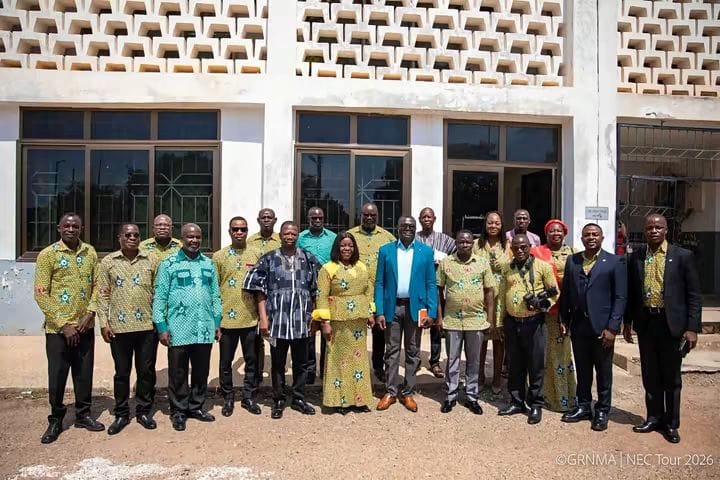
The President of the Ghana Registered Nurses and Midwives Association (GRNMA), Mrs Perpetual Ofori-Ampofo, has called for improved welfare conditions for nurses and midwives, including comprehensive medical and motor insurance packages to protect them and their families.
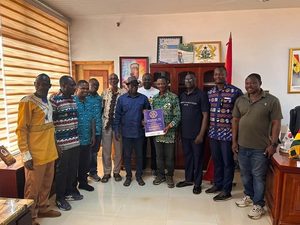
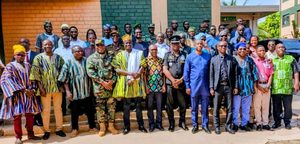
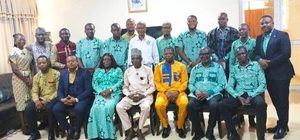
She made the call during a courtesy visit by the national and regional leadership of the Association to the Upper East Regional Coordinating Council on Monday.
Mrs Ofori-Ampofo expressed concern about the number of motorbike accidents involving nurses and midwives, noting that many health workers relied on motorcycles for their daily transportation, particularly in areas where access to other means of transport was limited.
She said insurance coverage would help protect members against the financial difficulties associated with accidents and related medical expenses.
The GRNMA President also called for comprehensive medical insurance for nurses, midwives and their families, arguing that health professionals who dedicate their lives to caring for others should also have access to quality healthcare.
She observed that while some corporate organisations provided medical insurance for their employees and dependants, many nurses and midwives did not enjoy similar benefits and sometimes faced challenges accessing adequate medical care in the facilities where they worked.
She commended the Upper West Regional Hospital for providing nurses with full medical coverage, describing the arrangement as a good example that could be adopted by other health facilities.
On industrial relations, Mrs Ofori-Ampofo said the Association did not consider strikes its preferred option, explaining that industrial action usually became necessary when efforts to resolve concerns through dialogue failed.
She described the GRNMA as an apolitical organisation and called for greater recognition of nursing as a critical component of healthcare delivery.
She stressed that improving the welfare and conditions of service of nurses and midwives would benefit the wider population by helping to maintain a motivated and adequately supported health workforce.
Mrs Ofori-Ampofo further called for increased investment in healthcare personnel and infrastructure in the Upper East Region to meet the needs of its growing population.
Responding, the Chief Director of the Upper East Regional Coordinating Council, Mr Bless Kwame Darkey, assured the Association of efforts to improve the working and living conditions of health workers in the region.
He acknowledged the human resource challenges facing healthcare delivery in northern Ghana but encouraged nurses, particularly newly posted personnel, to accept postings to the region without being discouraged by negative perceptions.
Mr Darkey, who said he had recently moved to the north after 32 years of working in southern Ghana, noted that his experience had challenged some of the stereotypes he previously held about the region.
He described the Upper East Region as safe and secure, with significant development potential, adding that he had visited all 15 districts as part of his familiarisation tour.
He further disclosed that assemblies had been directed to allocate 20 per cent of funds under the additional assembly programmes towards health infrastructure, including Community-based Health Planning and Services (CHPS) compounds and residential accommodation for health workers.
According to him, the Regional Coordinating Council was monitoring the assemblies to ensure that the necessary facilities were provided to improve working conditions and encourage health professionals to accept postings to the region.
Faustina Naa Ayele Johnson, ISD