
Local Government Services to Roll Out 11 Module Digital System for Human Resource Management
The Head of the Local Government Service (LGS), Prof. Lord Mensah, has announced plans to introduce a comprehensive digital management system to transform how personnel are recruited, managed, assessed and developed across the Service.
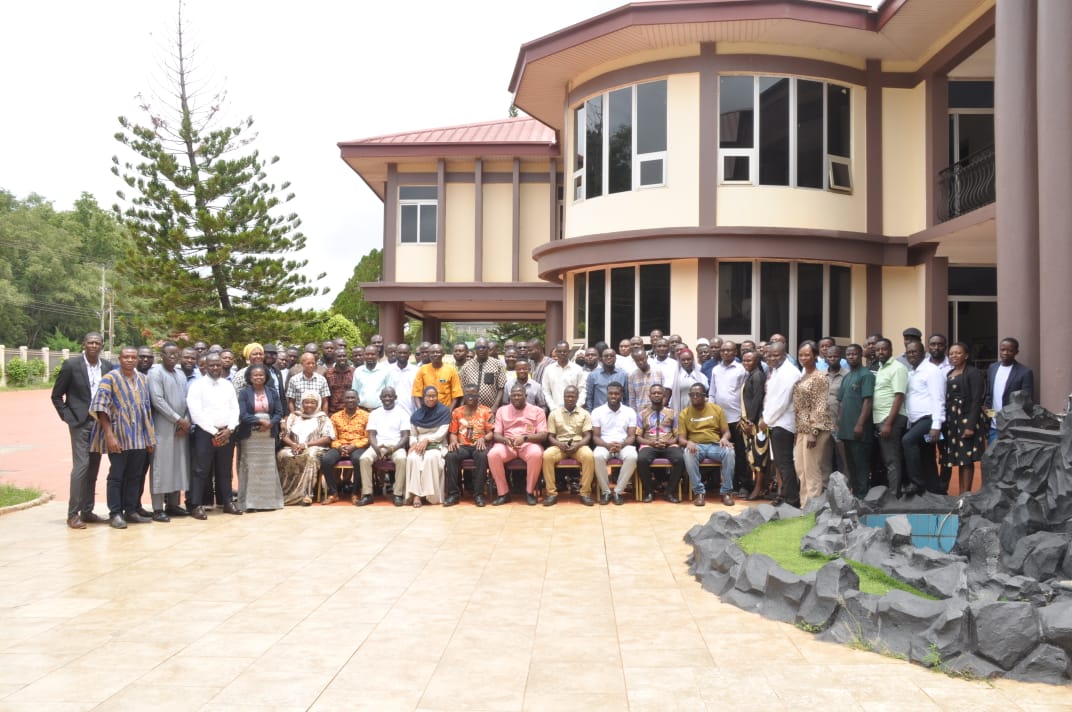
He disclosed this at the nationwide zonal stakeholder engagement for Human Resource and Management Information Systems Officers in Accra on Wednesday.
He said the growing size of the Local Government Service required modern and integrated systems capable of supporting effective workforce management.
“Managing such a vast and diverse workforce demands systems, processes and tools that are modern, integrated, reliable and, above all, responsive,” he noted.
According to Prof. Mensah, the digital ecosystem would consist of 11 interconnected modules covering key areas of human resource administration, including recruitment, attendance, and personnel records.
The rest are career progression, performance management, leave administration, employee movement and rationalisation, training and development, disciplinary management, exit management, and internal communication.
He said the platform will go beyond digitising manual processes by providing accurate and reliable data that will improve accountability, transparency and institutional efficiency.
“The operational tools are intended not only to digitise existing processes but also to provide accurate, real-time data to support evidence-based decision-making, enhance accountability, improve transparency and strengthen institutional effectiveness,” he added.
The Head of the LGS explained that the project would be implemented in two phases. The first phase will focus on needs assessment, system design, pilot deployment and testing across all Regional Coordinating Councils and selected Metropolitan, Municipal and District Assemblies(MMDAs).
The second phase will involve nationwide rollout, staff training, integration with existing government platforms and measures to ensure the system’s long-term sustainability.
Prof. Mensah called on Human Resource and Management Information Systems Officers to play an active role in shaping the platform, describing them as the custodians of personnel records and information systems within the Service.
“This engagement is not merely a consultative exercise. It is an opportunity for co-creation. We want to understand the operational bottlenecks you encounter and ensure that the final solution enhances efficiency rather than adding complexity,” he said.
The Local Government Service expects the operational tools to address persistent challenges such as inconsistent personnel data, duplication of staff records, delays in recruitment and placement, and weak reporting systems, while improving service delivery and administrative efficiency across the country’s local governance institutions.
The new platform, known as the Local Government Service Operational Tools (LGSOT), is expected to improve human resource management, strengthen institutional performance and provide real-time data to support decision-making across the Office of the Head of the Local Government Service (OHLGS), Regional Coordinating Councils (RCCs) and Metropolitan, Municipal and District Assemblies (MMDAs).
Priscilla Osei-Wusu Nimako, ISD