NDPC, UNICEF strengthen partnership on evidence-based development planning
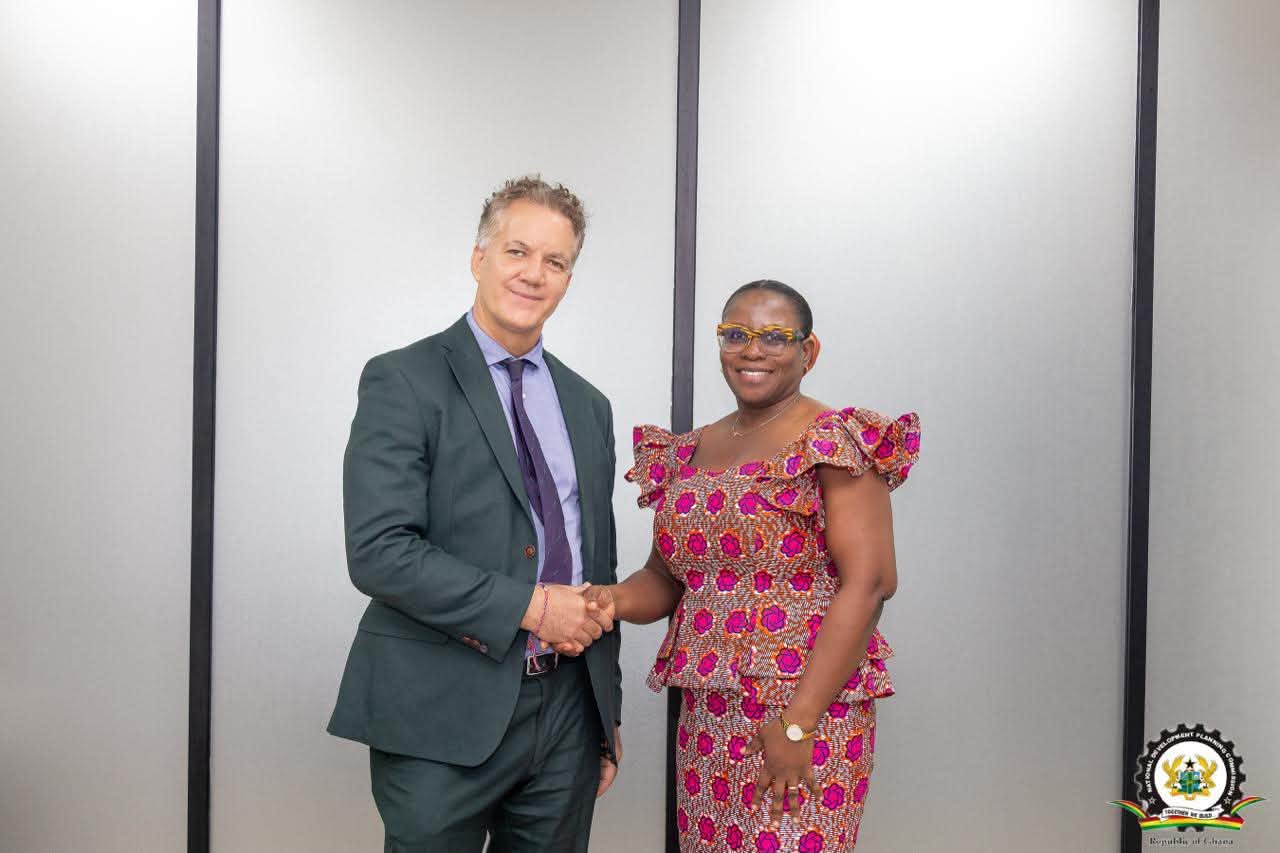
The National Development Planning Commission (NDPC) and the United Nations Children’s Fund (UNICEF) have agreed to deepen cooperation in the use of development data and research to improve national planning and outcomes for children and communities.
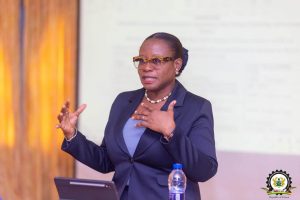
The commitment was reaffirmed during a courtesy call by UNICEF Country Representative in Ghana,Andy Brooks, on the Director-General of NDPC, Dr Audrey Smock Amoah, and the Directors of the Commission.
The meeting provided an opportunity for the two institutions to explore ways of strengthening their partnership in monitoring national development targets, improving data systems and ensuring that policies and resource allocation decisions were guided by credible evidence.
Dr Amoah said the Commission played a central role in coordinating Ghana’s national and decentralised development planning system to ensure that development programmes reflected national priorities.
She explained that the Medium-Term National Development Policy Framework provided strategic direction for preparing sectoral and district medium-term development plans, which were reviewed and certified by the Commission to ensure consistency with national priorities and budgetary provisions.
The Director-General said effective development planning required coordination across institutions and the use of reliable information to ensure that policies and interventions responded to the needs of communities.
Mr Brooks commended the Commission for its leadership in developing the Medium-Term National Development Policy Framework (2026–2029), noting that its priorities aligned with UNICEF’s support for the Government’s efforts to improve the well-being of children.
He expressed UNICEF’s readiness to deepen collaboration with the Commission, particularly in monitoring development progress and strengthening the use of evidence to guide policy decisions and development interventions.
The discussions also reviewed existing areas of cooperation between the two institutions, including nutrition, child labour, the Integrated Social Services Initiative (ISS), research and evaluation, and capacity building for planning officers.
The Director of Monitoring and Evaluation at NDPC, Mr Bright Atiase, outlined measures being undertaken by the Commission to strengthen development monitoring and reporting through quarterly and annual progress reports.
He said the Commission was also working to improve the collection, management and utilisation of development data through digital platforms to facilitate timely reporting and informed decision-making.
Judith Twumwaa, ISD