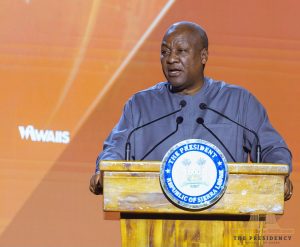
Accra Hosts Metropolis International Migration Conference for First Time on African Soil
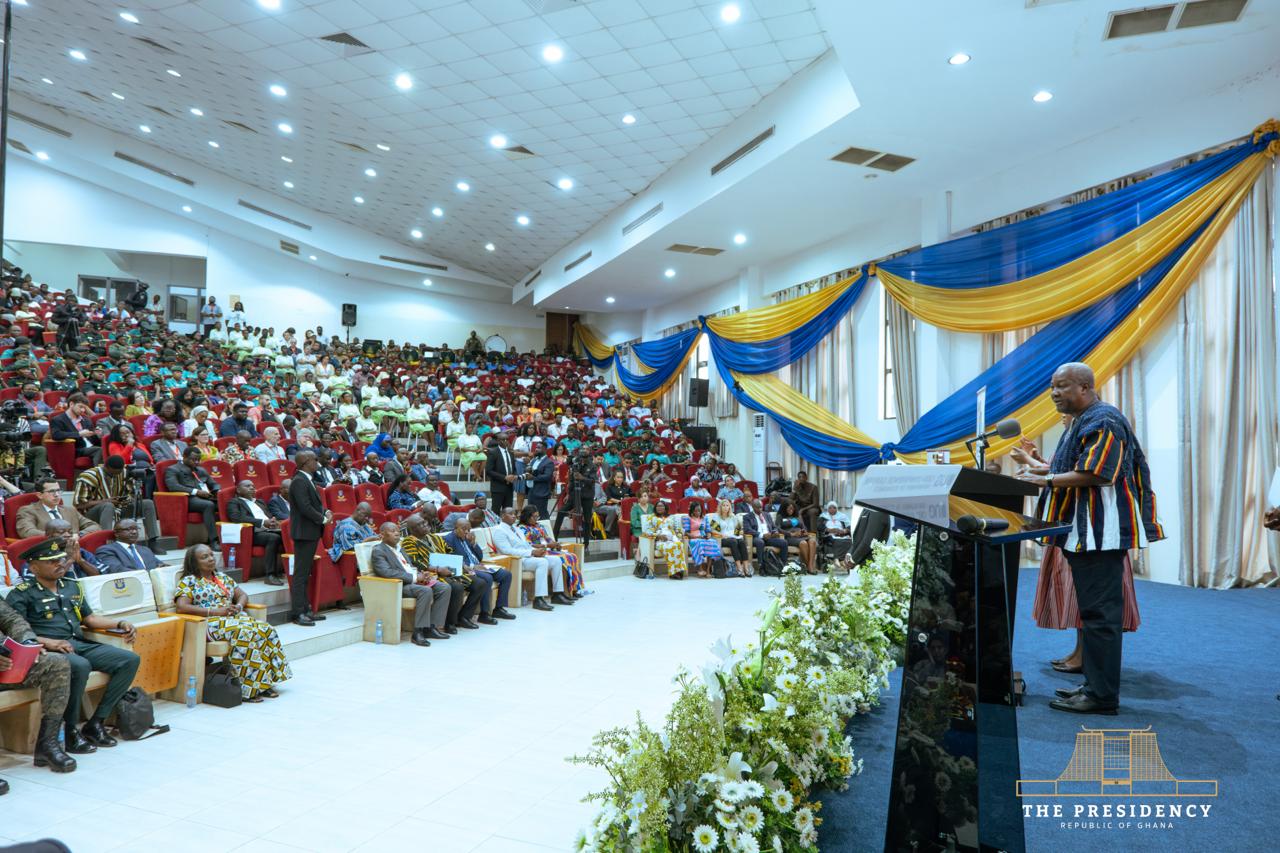
Africa’s role in shaping global migration policies has received renewed attention as Accra hosts the Metropolis International Migration Conference 2026 for the first time on the continent.
President John Dramani Mahama said the gathering marked an important moment for Africa to move beyond being a subject of international migration discussions and take an active role in determining the policies and partnerships that govern the movement of people.
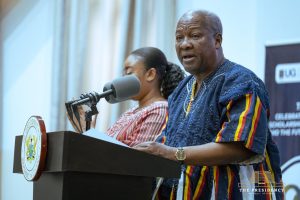
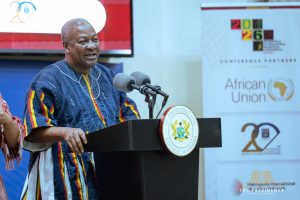
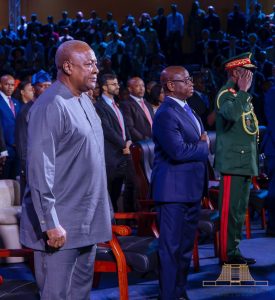
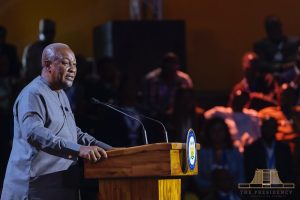
He made the remarks on Wednesday, when he officially opened the conference in Accra, bringing together policymakers, scholars and migration practitioners to discuss migration, integration and belonging.
President Mahama noted that the conference had convened stakeholders in the migration sector for three decades, but its decision to hold the global gathering on African soil for the first time was particularly meaningful.
“For three decades, the Metropolis International Conference has convened policymakers, scholars, and practitioners to examine migration, integration, and belonging. Today, for the first time, this global conversation is taking place on African soil,” he said.
He said the conference affirmed the need for Africa to have a stronger voice in international discussions, particularly because the continent was often approached as a source of migration data, case studies and policy challenges.
“When the world discusses Africa, Africa must have a voice in shaping that conversation. The world often looks to Africa for migration data, case studies, and examples of policy challenges. We also produce knowledge and shape policy, and we must write our own mobility agenda,” he stated.
The President commended the Metropolis International Migration Network, the African Union Commission and the University of Ghana Centre for Migration Studies for bringing the conference to Ghana.
He said Africa had a long history of mobility, with trade, education, intermarriage and the movement of communities taking place across territories long before modern national borders were established.
He cited historic trade routes across the Sahara that connected West Africa with North Africa and the wider world, linking cities such as Kumasi, Kano, Timbuktu, Salaga and Djenné.
“Mobility is not new to Africa. Long before the borders we know today were drawn, Africans traded, they traveled, they studied, they intermarried, they worked, and built communities across vast territories,” he said.
President Mahama argued that migration should not automatically be treated as a crisis, but governed in ways that allow people to move safely, legally and with dignity while addressing human trafficking, exploitation and the dangers associated with irregular migration.
He also called on international partners to move beyond migration arrangements dominated by deterrence and containment, urging them to establish partnerships based on equality, reciprocity and shared responsibility.
He said Africa should not become the external frontier of another region’s migration policy and must participate in determining the objectives and terms of international migration cooperation.
The President further challenged researchers and young leaders attending the conference to produce evidence that reflected African realities and could guide policy decisions.
“The work of research is unfinished if its findings never inform policymaking,” he said.
He urged participants to use the conference to develop practical recommendations that would help African countries manage migration, expand opportunities and strengthen integration.
President Mahama said Africa was ready to take an active role in global migration discussions and help lead the conversation.
Richard Aniagyei, ISD