RIGHT TO KNOW AND RIGHT TO SPEAK ARE COMPLEMENTARY FREEDOMS – MINISTER FOR GOVERNMENT COMMUNICATION
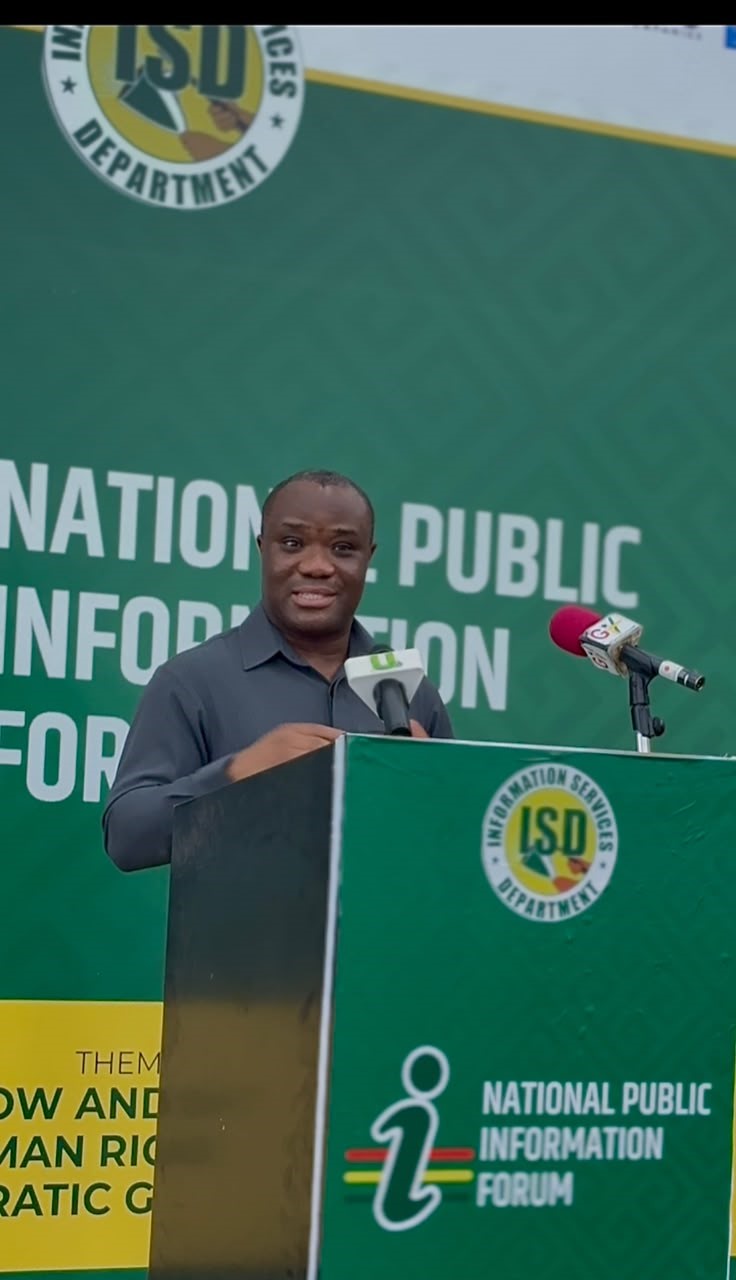
The Minister for Government Communication, Mr. Felix Kwakye Ofosu, says the right to know and the right to speak are not competing interests but complementary freedoms that sustain democratic governance.
He said access to information empowers citizens to make informed decisions while freedom of expression enables them to question institutions and participate in national conversations.
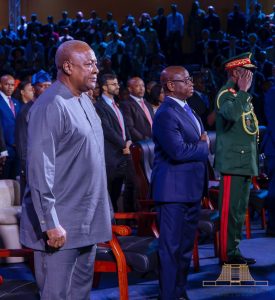
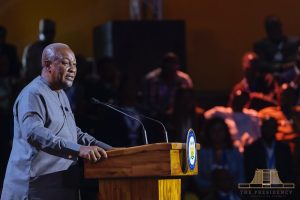
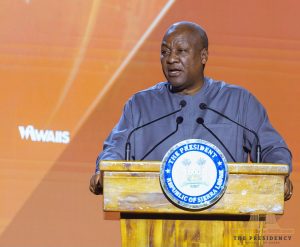
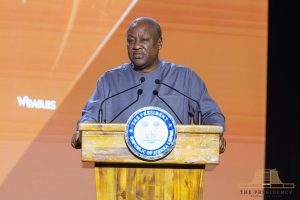
Mr. Kwakye Ofosu made these remarks when he delivered the keynote address at the National Public Information Forum in Accra, organized by the Information Services Department (ISD), under the theme: “The Right to Know and the Right to Speak; Balancing Human Rights Protection in Democratic Governance.”
He said the theme highlights two fundamental rights essential to democratic governance, which promote transparency, accountability, public participation and respect for human dignity.
The Minister said the right to information goes beyond obtaining documents from public institutions, as it empowers citizens to participate in national development, scrutinize public decisions and hold institutions accountable.
He noted that the right is guaranteed under Article 21(1)(f) of the 1992 Constitution and given practical effect through the Right to Information Act, 2019 (Act 989), adding that effective implementation requires responsive institutions, accessible information systems, trained Information Officers and an informed public.
On freedom of expression, he said the right guaranteed under Article 21(1)(a) enables citizens and journalists to share opinions, question authority and contribute to public debate, but must be exercised with due regard for privacy, human dignity and public safety.
Mr. Kwakye Ofosu observed that the relationship between access to information and freedom of expression has become even more critical in the digital age, where digital platforms have expanded participation but also facilitated misinformation, disinformation, hate speech and misuse of Artificial Intelligence.
“The rapid circulation of false or manipulated content makes it increasingly difficult for citizens to distinguish credible information from content intended to deceive or mislead,” he said.
He said Ghana has demonstrated commitment through international initiatives, including membership of the Media Freedom Coalition since 2019, participation in the Paris Declaration on Information Integrity in October 2025, and co-organization of a High-Level Side Event at the 81st Session of the United Nations General Assembly in September 2026 on Advancing Information Integrity.
At the national level, he cited initiatives such as the Caravan of Hope, Capacity Building for Journalists and Information Officers, and the Open Government Partnership National Action on Disinformation as interventions strengthening public awareness and resilience.
The Minister disclosed that the Office of the Government Communication is working to develop a policy framework to strengthen collaboration among Government institutions and Civil Society Organisations in promoting and protecting journalist safety.
He said the framework will encourage coordinated engagement and strengthen institutional responses to threats against journalists, recognizing that journalist safety is a shared responsibility.
He proposed five areas for sustained action: strengthening implementation of the RTI Act, improving public awareness and information literacy, promoting responsible freedom of expression and information integrity, addressing barriers experienced by information applicants, and deepening stakeholder collaboration and journalist safety.
Mr. Kwakye Ofosu urged participants to ensure recommendations from the forum translate into meaningful actions, moving from principles to practice and from commitments to delivery.
Bala Ali, ISD