New DNA Laboratory to Strengthen Ghana’s Forensic Investigations, Disaster Response
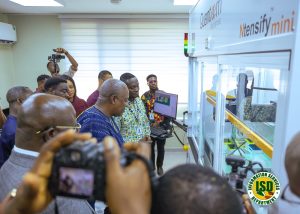
The days when Ghana had to send DNA samples abroad to identify victims of major accidents and disasters are expected to end with the commissioning of a new Human Identification Laboratory at the Noguchi Memorial Institute for Medical Research.
President John Dramani Mahama said the facility would give Ghana the capacity to conduct DNA analysis locally, strengthen forensic investigations and provide families with answers more quickly.
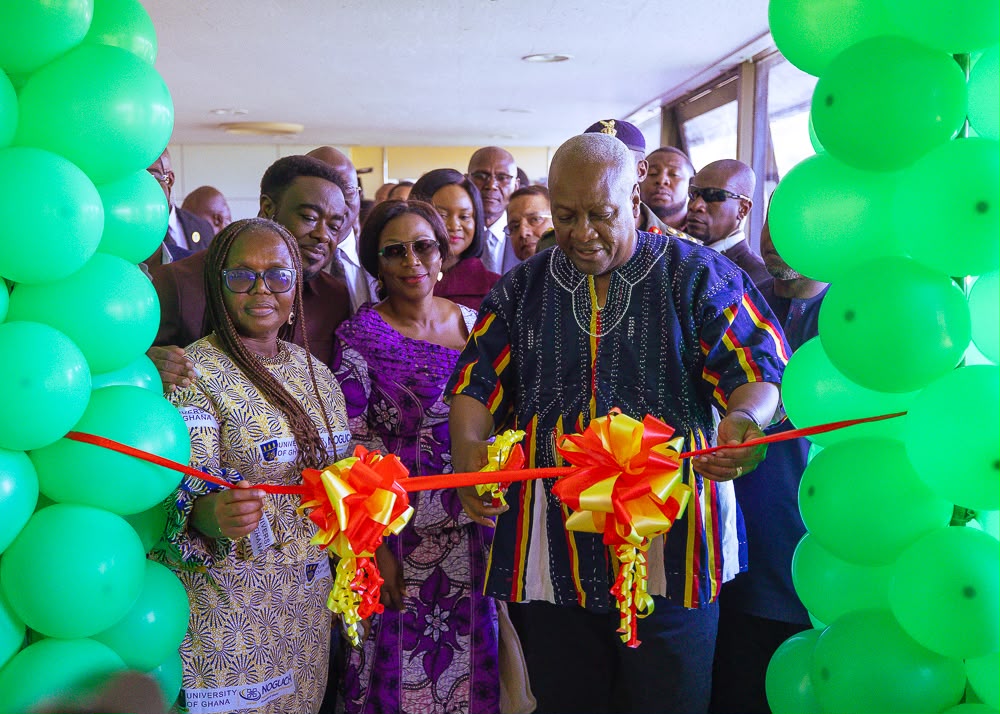
He was speaking on Wednesday, when he commissioned the DNA testing and vaccine research laboratories at the Noguchi Memorial Institute for Medical Research at the University of Ghana.
President Mahama said the decision to establish the National Human Identification Laboratory followed the tragic events of August 6, which exposed the country’s inability to conduct DNA analysis locally during a national emergency.
He recalled that tissues recovered from the accident sites had to be transported to South Africa for testing, leaving families waiting several days for the results needed to identify their deceased relatives.
“As you are aware, we had to take the tissues that were recovered from the accident sites to South Africa for analysis, and the families of the deceased had to wait for several nerve-wracking days for the results of the DNA to return,” he said.
The President described the situation as a source of national embarrassment, saying the new facility would eliminate the need to depend on foreign laboratories for such critical investigations.
“It was a day of shame for Ghana that we couldn’t carry out our own DNA analysis in-country. That will be a thing of the past. I am proud now that we have a world-class facility that will strengthen our forensic and public health systems,” he stated.
He explained that the laboratory would help identify victims of accidents and other tragedies, allowing families to receive confirmation of their loved ones’ identities and proceed with burial arrangements without unnecessary delays.
President Mahama, however, urged the agencies that would rely on the facility to ensure that families received clear and timely information throughout the identification process.
“Behind every request for identification is a family that is waiting anxiously for news. For that family, the wait can deepen the pain of loss and delay the chance to lay a loved one to rest,” he said.
He added: “We must therefore apply the same care to communicating with families as to the scientific work itself. I encourage the agencies that will rely on this laboratory to work closely so that families receive clear information in a timely manner.”
Beyond disaster victim identification, the President said the laboratory would support police investigations by providing DNA evidence in cases involving rape, murder and other crimes.
He explained that DNA analysis had become an important tool in criminal investigations in many jurisdictions and expressed confidence that the new facility would improve the work of Ghana’s security agencies.
The laboratory is also expected to provide services for paternity testing, helping to resolve disputes over the biological relationship between fathers and children.
President Mahama further identified inheritance disputes and identity verification for people travelling abroad with children as other areas where DNA testing could be useful.
He said the facility would strengthen Ghana’s ability to manage its affairs with competence, dignity and independence, while improving public safety and the country’s forensic and public health systems.
The President commended the Ministry of Health, the Noguchi Memorial Institute for Medical Research and other stakeholders who contributed to establishing the facility.
He subsequently declared the Human Identification Laboratory, popularly known as the DNA Laboratory, duly commissioned alongside the Vaccine Research Facility.
Richard Aniagyei, ISD