500 nurses to receive specialised training under Mahama’s healthcare reforms
President John Dramani Mahama has approved the training of an additional 500 nurses in specialised critical fields as part of efforts to strengthen Ghana’s healthcare workforce and improve the delivery of specialised medical services.
The initiative is expected to increase the availability of nurses with the expertise required to support the country’s changing disease burden and meet growing demand for specialised healthcare.
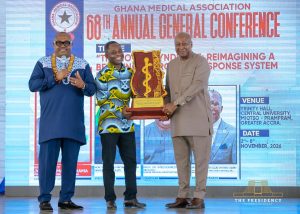
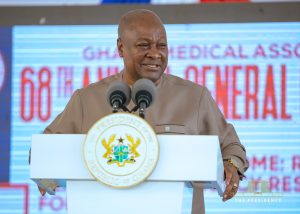
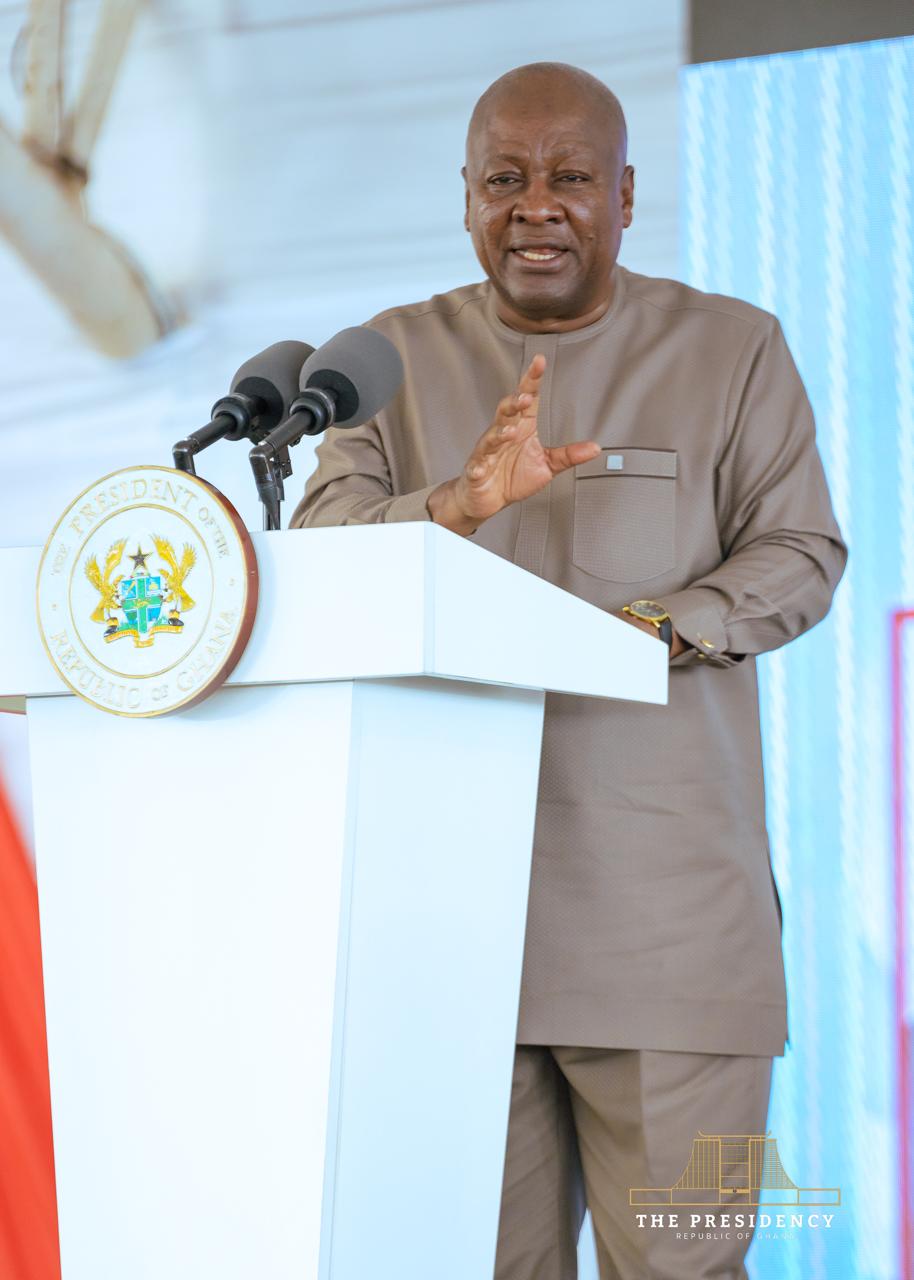
President Mahama made this known when he addressed the 68th Annual General Conference of the Ghana Medical Association (GMA), on Friday.
He outlined government’s plans to expand professional training opportunities and improve conditions of service for health workers.
He said strengthening the health workforce required not only the recruitment and deployment of professionals but also sustained investment in their professional development.
“A career in public service should also offer opportunities for professional development. We are therefore increasing the number of centres for postgraduate training for doctors and have approved the training of an additional 500 nurses in specialised critical fields,” he stated.
The President explained that Ghana needed to develop greater expertise in several areas of healthcare, including oncology, cardiovascular care, psychiatry, emergency medicine, critical care and family medicine.
“As our disease burden changes, we need greater expertise in oncology, cardiovascular care, psychiatry and other specialities, alongside emergency medicine, critical care and family medicine,” he said.
He noted that expanding specialised training would require adequate supervision and adherence to professional standards to ensure that health workers were properly prepared to deliver quality care.
President Mahama said the training initiative formed part of broader measures to strengthen the country’s health workforce, particularly in underserved communities where access to qualified medical personnel remained a challenge.
He disclosed that communities covered by government’s deployment policy previously had a total of 25 doctors, but 100 doctors had accepted placements in the latest round of postings.
He welcomed the doctors’ willingness to serve in underserved areas, adding that government had a responsibility to provide the necessary support for them to practise effectively and build their careers.
The President also disclosed that government placed 13,500 nurses and midwives on the public payroll last year.
This year, he said, 8,000 health workers, including nurses and other professionals, had been recruited, with another 8,000 expected to be recruited by the end of the year.
He said this would bring the total number of health workers recruited this year to 16,000.
President Mahama explained that the recruitment drive was part of government’s commitment to establishing a regular annual recruitment cycle to give health facilities greater certainty in planning their services and provide qualified professionals with clearer pathways into the public health service.
He said the Ministries of Health and Finance were also collaborating on recruitment and housemanship arrangements, with attention to funding, service needs and accredited supervision.
Beyond recruitment and training, the President said government was working on financial and non-financial incentives for health workers accepting postings to deprived and underserved communities.
He disclosed that 106 districts had been identified as underserved, with discussions ongoing with the Ministry of Finance on budgeting for the commencement of the incentive programme.
He said improving professional development, recruitment and retention would be necessary to ensure that health facilities across the country had the personnel required to deliver quality healthcare.
Richard Aniagyei, ISD