Ghana, Côte d’Ivoire sign joint declaration to secure cocoa farmers’ future
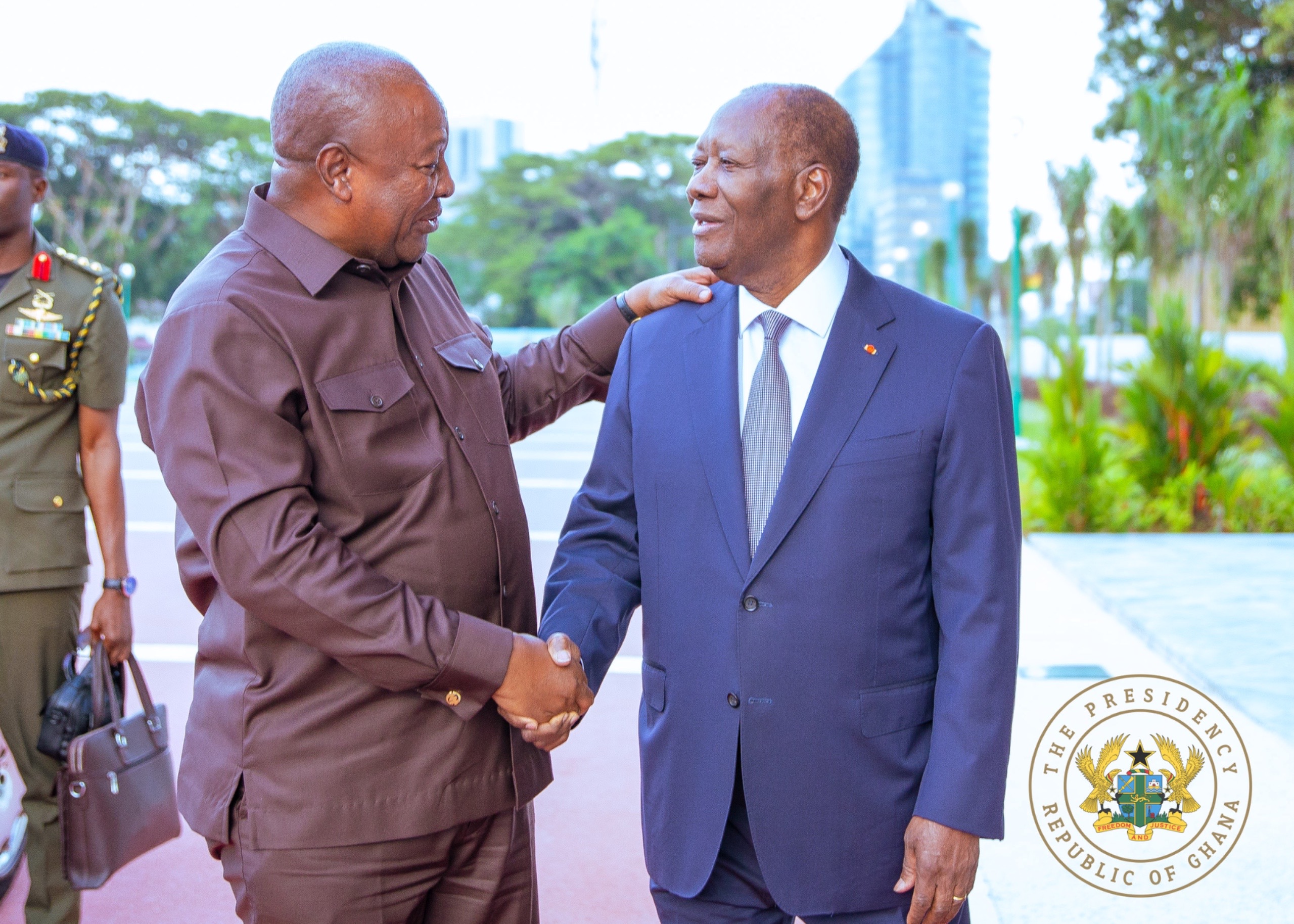
Ghana and Côte d’Ivoire have signed a landmark Joint Declaration committing the world’s two largest cocoa producers to price stability, environmental protection and industrialisation, following a high-level summit in Abidjan aimed at reshaping the future of the global cocoa economy.
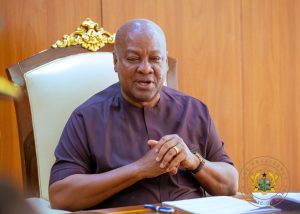
President John Dramani Mahama and Ivorian President Alassane Ouattara met on Tuesday for the Côte d’Ivoire-Ghana High-Level Summit on the Future of the Cocoa Economy, where the two leaders reaffirmed their countries’ joint responsibility to lead the sector toward economic justice for farmers.
Together, Ghana and Côte d’Ivoire account for approximately 60 percent of global cocoa production, giving the two countries considerable leverage over the direction of an industry whose value chain has historically favoured processors and chocolate manufacturers in Europe and North America over the farmers who grow the beans.
At the centre of the declaration is a commitment to implement a common framework for determining producer prices and reinforcing market intelligence, designed to ensure farmers receive fair remuneration.
The two presidents also reinforced the Living Income Differential, a pricing mechanism aimed at providing farmers with a buffer against the volatility of international cocoa prices, and agreed to harmonise their marketing strategies and price announcements.
“The farmer must remain at the heart of all cocoa governance,” both presidents said, expressing satisfaction with the progress made by a Joint Technical Committee that prepared the ground for the summit’s outcomes.
The declaration also commits both countries to a shift away from exporting raw cocoa beans toward building industrial processing capacity at home. The two leaders pledged to process substantial volumes of cocoa locally and to promote intra-African trade in finished cocoa products, a move that could begin to alter Africa’s position in a global chocolate value chain from which the continent currently earns a marginal share despite producing 80 percent of the world’s beans.
Both presidents expressed grave concern over the impact of illegal mining on water bodies and shared agricultural land, agreeing on a joint strategy to reduce galamsey activities, initiate cleanup operations for shared water sources and address the effects of climate change on crop yields.
On the scientific front, both Presidents committed to deepening research cooperation between their national institutes to combat the Cocoa Swollen Shoot Virus Disease, a threat that has devastated farms across both countries and drawn attention from international partners including the European Union.
The declaration recognises the Côte d’Ivoire-Ghana Cocoa Initiative and the African Regional Standards for Sustainable Cocoa as tools for traceability within the industry.
The two leaders also signalled plans to expand what they described as the Cocoa Alliance beyond the two founding nations, expressing a desire to bring other African producer countries into the fold to strengthen the continent’s collective bargaining power on the global stage.
President Mahama returned to Accra following the summit, which was held in Abidjan on Tuesday, June 16, 2026.
Richard Aniagyei, ISD