NDPC, AFIDEP Deepen Partnership to Advance Women’s Economic Empowerment in Ghana
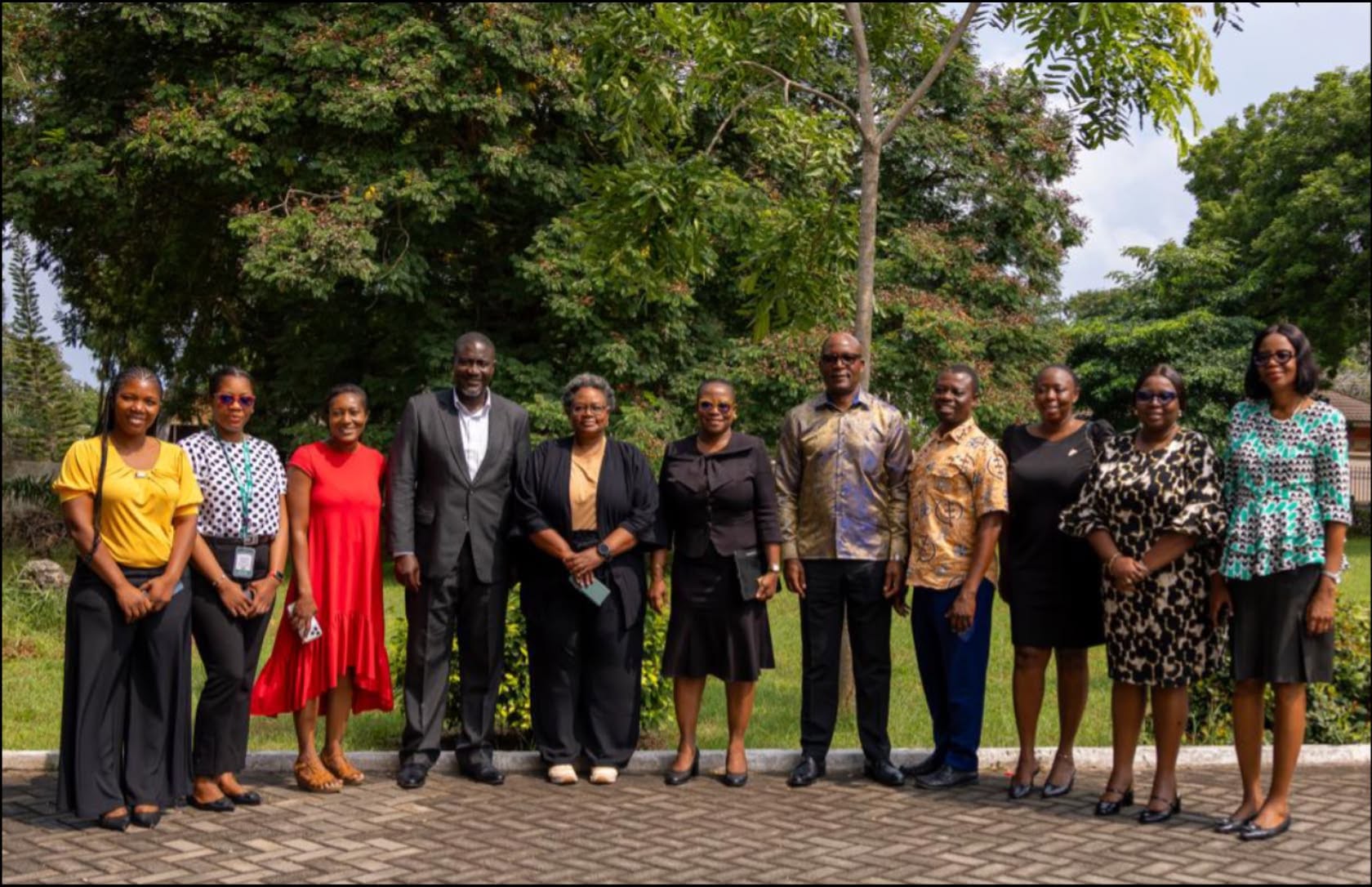
The National Development Planning Commission (NDPC) and the African Institute for Development Policy (AFIDEP) are strengthening their partnership to promote women’s economic empowerment and embed gender-responsive planning into Ghana’s development agenda.
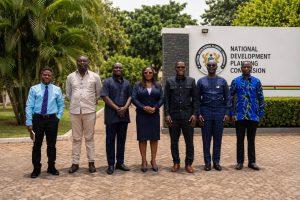
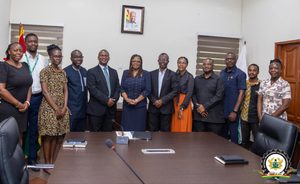
The renewed commitment was made during a courtesy call by an AFIDEP delegation, led by its Executive Director, Dr Eliya Zulu, to the NDPC on Tuesday.
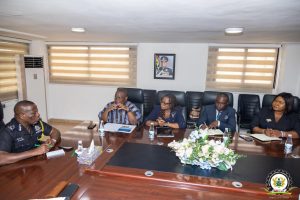
The meeting reviewed the next phase of collaboration between the two institutions following the signing of a Memorandum of Understanding (MoU) earlier this year.
Discussions also centred on preparations for a Gender-Responsive Budgeting and Planning (GRB) training programme that would be rolled out for selected districts across the country to enhance the integration of gender considerations into local development planning and budgeting processes.
Speaking during the engagement, Dr Zulu described AFIDEP as a Pan-African research and policy institute dedicated to strengthening evidence-informed policymaking across Africa.
He said the Institute works to ensure that research findings are translated into practical policies that improve development outcomes and enhance the well-being of citizens.
He reaffirmed AFIDEP’s commitment to working closely with the NDPC to support the implementation of the Women’s Economic Empowerment (WEE) Programme and promote the use of evidence in shaping inclusive and gender-responsive development policies in Ghana.
Dr Zulu also highlighted his intention to facilitate cross-country learning and knowledge exchange between Ghana and Kenya to enhance development planning and women’s economic empowerment initiatives.
On her part, the Director-General of the National Development Planning Commission (NDPC), Dr Audrey Smock Amoah, welcomed the continued collaboration between the Commission and the African Institute for Development Policy (AFIDEP), describing the proposed partnership as timely and aligned with Ghana’s national planning agenda.
Dr Amoah noted that although the Commission had initially hoped the planned capacity-building programme would coincide with the preparation of the current Medium-Term Development Plans, those plans had already been completed.
She explained, however, that the intervention could still make a meaningful contribution by supporting the review of annual action plans and budgets, as well as the preparation of Annual Progress Reports, while discussions continue on the most appropriate timing for future planning cycles.
“The proposed interventions align with the Commission’s mandate and ongoing planning processes. We will provide feedback on the concept note through the appropriate technical team, and we encourage continued engagement between our two institutions,” Dr Amoah said.
The meeting underscored the shared commitment of both institutions to building institutional capacity and fostering partnerships that support sustainable and inclusive national development through evidence-based planning and gender-responsive governance.
Deborah Narkie Nartey, ISD