Ghana Pushes for Fairer Access and Smarter Sports Policies at Commonwealth Ministers Meeting
Ghana has called for greater fairness in access to Commonwealth sporting opportunities and a stronger commitment to data-driven policymaking.
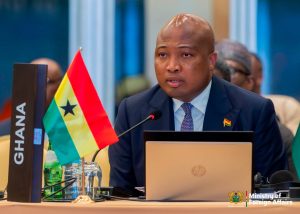
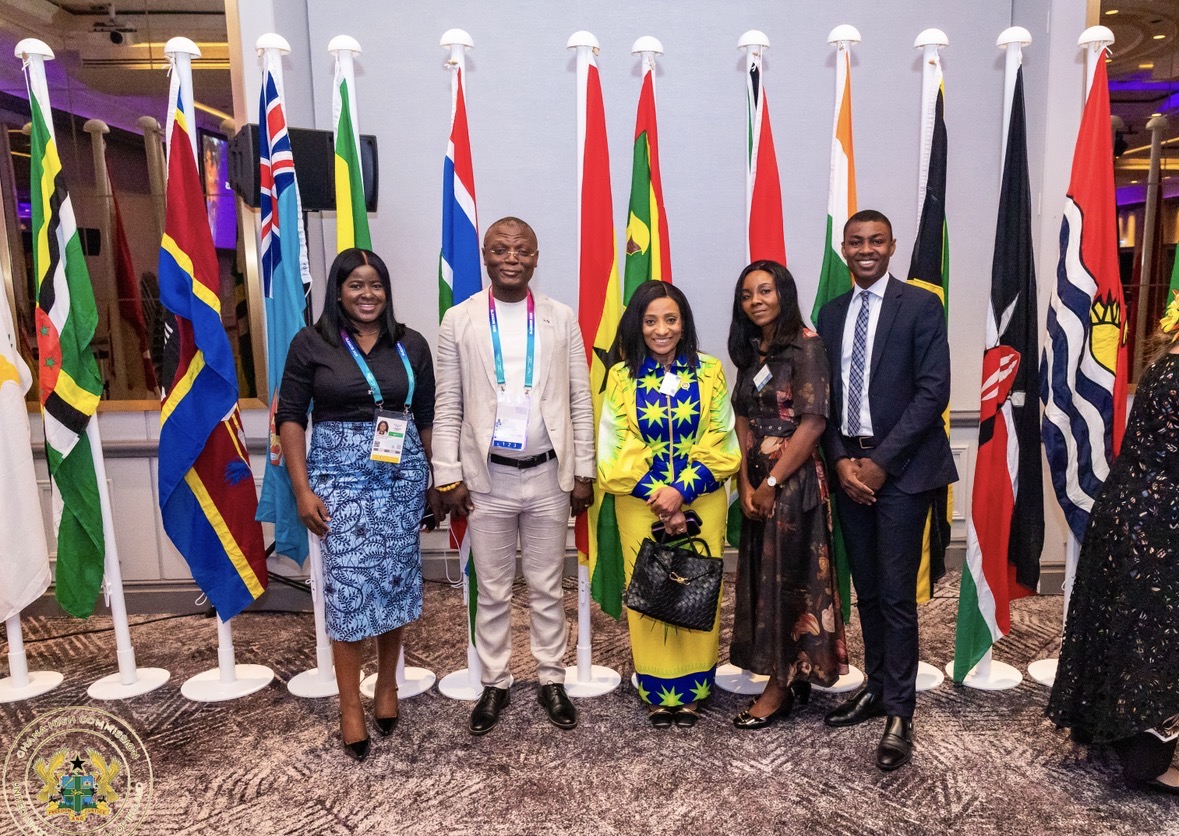
This was when Sports Ministers from across the Commonwealth gathered in Glasgow to explore how sport can drive healthier and more inclusive societies at the 12th Commonwealth Sports Ministers Meeting, held alongside preparations for the Glasgow 2026 Commonwealth Games.
Under the theme, “Reimagining the Power of Sport towards Healthier, Fairer and Equitable Commonwealth Communities,” ministers, senior government officials, Heads of Mission and international sporting leaders examined ways to strengthen sport’s contribution to public health, social inclusion and sustainable development.
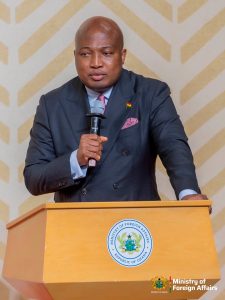
Representing Ghana, the Minister for Sports and Recreation, Kofi Adams, urged the Commonwealth to create a more transparent and equitable system for accessing its sporting programmes and initiatives.
He argued that many developing countries, particularly across Africa, continue to face unnecessary hurdles that limit participation despite having talented athletes and promising sports professionals.
According to the Minister, simplifying and making application processes fairer would allow more countries to identify, prepare and support deserving participants, ultimately enriching the diversity and competitiveness of Commonwealth sport.
Mr Adams challenged governments to make better use of data in shaping sports policies, noting that much of that passion remains underutilised because it is not backed by strategic planning or evidence-based decision-making.
He encouraged governments to rely more on research, participation data and long-term projections to identify gaps, improve sports participation and develop programmes that promote healthier lifestyles.
He maintained that informed policymaking would enable countries to convert public interest in sport into measurable improvements in health, well-being and community development.
Delegates also reaffirmed their commitment to building sporting systems that are safe, inclusive and accessible to everyone, with particular focus on women and girls, young people, persons with disabilities and other underrepresented groups.
The ministers agreed that expanding participation would require deliberate policy choices, stronger partnerships and sustained investment.
Bridget Bonnie, ISD