Free Primary Healthcare to Take Services Closer to Communities -Health Minister
Ghana’s drive to make primary healthcare more accessible is set to take a stronger community-based approach, with thousands of pieces of medical equipment being deployed to help health professionals provide services closer to where people live.
The Ministry of Health has distributed more than 24,000 pieces of basic medical equipment to primary healthcare facilities nationwide to support the implementation of the Free Primary Healthcare (FPHC) programme.
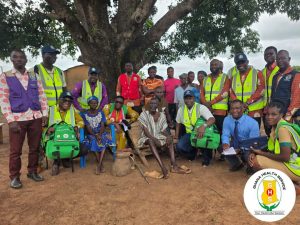
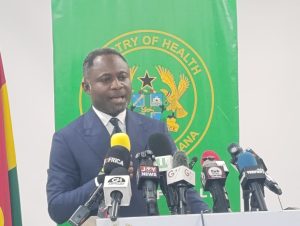
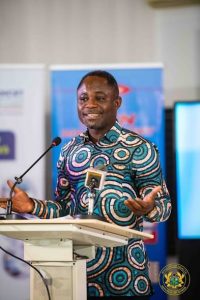
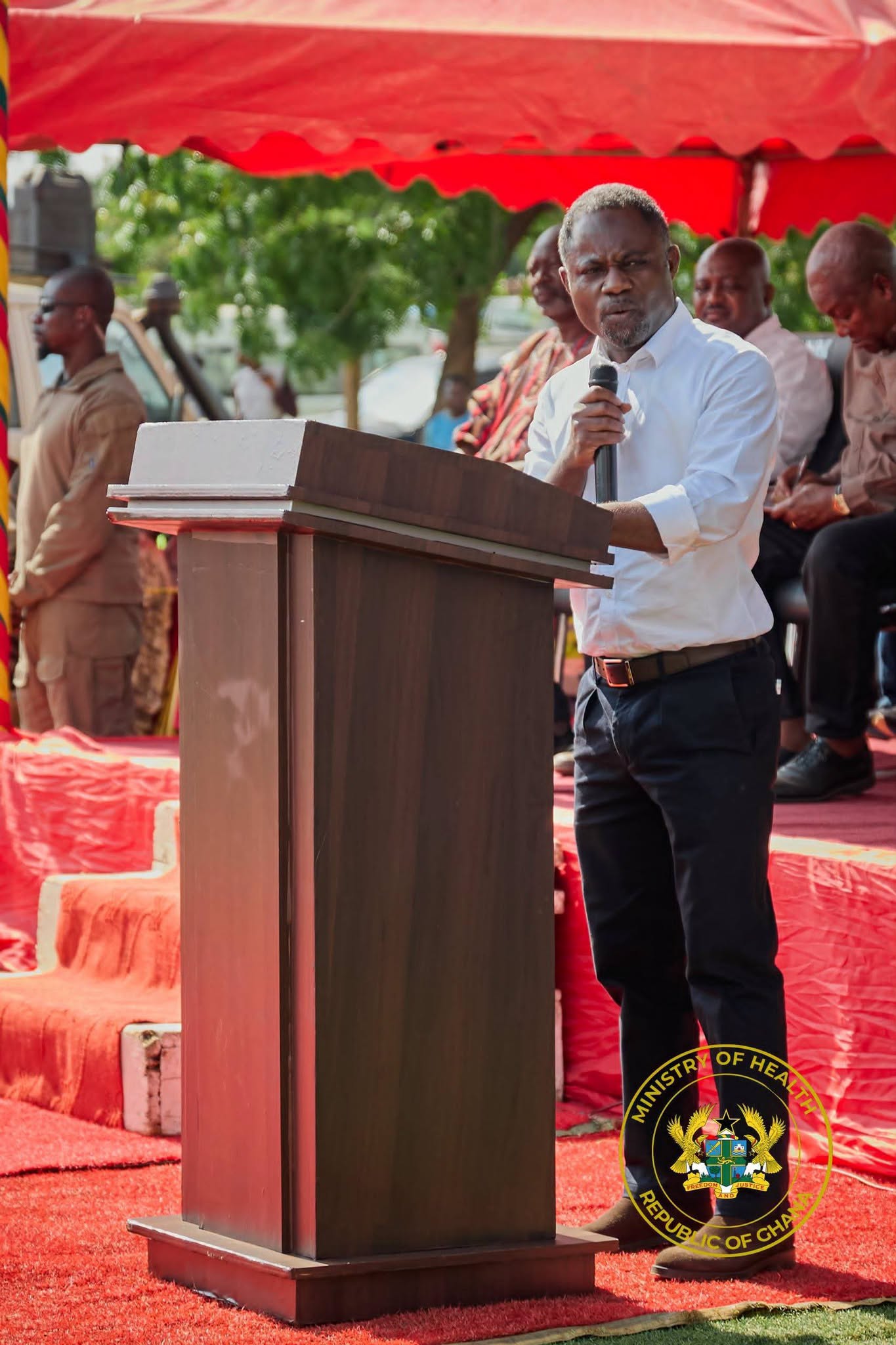
Speaking at a community durbar at the Fian Health Centre in the Daffiama Bussie Issa District of the Upper West Region, the Minister for Health, Kwabena Minta Akandoh, said the initiative was designed to move healthcare beyond health facilities and into communities.
According to him, 5,000 healthcare bags containing essential medical equipment had already been distributed, while another 5,000 bags, together with 7,000 motorbikes and tricycles, are expected to be delivered in the coming weeks.
The logistics, he explained, would give health professionals the means to reach people in their homes and other community settings, including churches and mosques, as part of efforts to promote prevention and detect illnesses at an early stage.
Rather than waiting for people to become seriously ill before seeking hospital care, the programme will support routine screening within communities. Residents will be checked for conditions such as high blood pressure and high blood sugar, with those requiring further attention referred to appropriate health facilities.
The Minister said the approach represents a shift from a largely hospital-based system towards one that puts greater emphasis on prevention, early detection and timely intervention.
He further reiterated that the Free Primary Healthcare programme provides free services at CHPS compounds, health centres and polyclinics, covering the treatment of common conditions including malaria, diarrhoea and respiratory infections.
The government’s focus, he said, is to ensure that essential healthcare is not only available at health facilities but is also brought directly to the doorsteps of communities that need it most.
Grace Acheampong, ISD