Environment Minister Calls for Strategy to Manage E-Waste
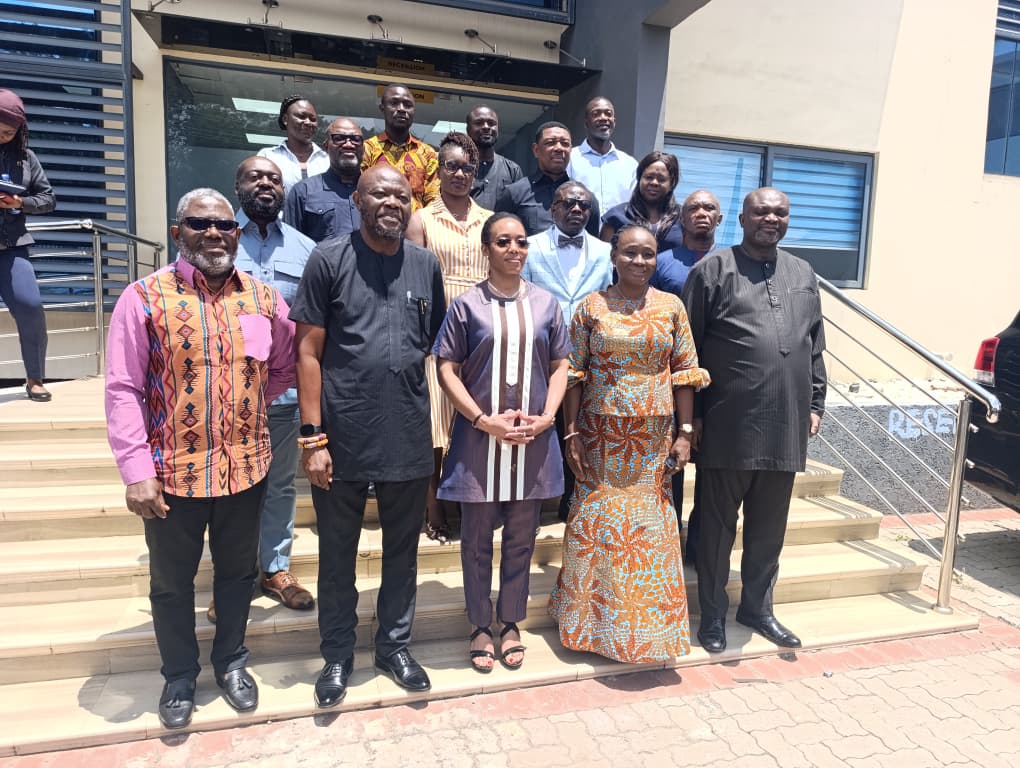
The Minister for Environment, Science and Technology, Dr Zanetor Agyeman-Rawlings, has charged the Electrical and Electronic Waste Management Fund Secretariat to develop a strategy to manage waste from emerging green technologies as Ghana accelerates its transition to cleaner technologies.
She said the increasing adoption of electric vehicles, solar panels and other renewable technologies would create new waste streams that require proactive measures to prevent them from becoming an environmental challenge.
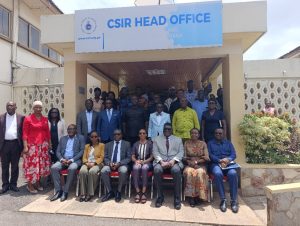
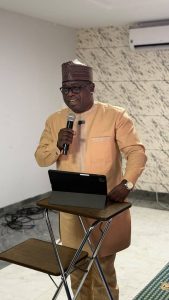
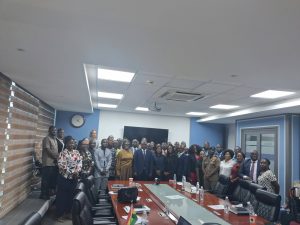
Dr Agyeman-Rawlings made the call during a familiarisation visit to the Electrical and Electronic Waste Management Fund Secretariat.
She said Ghana needed to anticipate the waste implications of the green transition and establish appropriate systems for recycling or safely managing materials left at the end of the lifespan of such technologies.
“For me, I think it’s important that we get ahead of the curve,” she said, urging the Secretariat to develop a strategy that could inform government policy and improve the management of emerging forms of electronic waste.
The Minister said that where Ghana lacked the technology to process certain forms of waste, the country should explore agreements with countries that had the necessary capacity to safely recycle or process the materials.
She said such measures would help ensure that Ghana’s transition to green technology did not create another category of waste that the country would struggle to manage.
Dr Agyeman-Rawlings also expressed concern about the capacity of existing waste holding facilities, stressing the need for efficient systems to prevent the facilities from becoming full.
She noted that the recent decommissioning of a landfill site demonstrated that waste disposal facilities could eventually reach capacity, regardless of their size.
The Minister further called for deliberate segregation of waste at the domestic, office and industrial levels, particularly because some categories of waste could not safely be disposed of in landfills.
She warned that poorly managed hazardous waste could pose risks to groundwater, soil, the atmosphere and human populations.
She assured the Secretariat of the Ministry’s support and called for closer collaboration to ensure that Ghana remained ahead of emerging waste management challenges as it pursued its green transition.
Irene Wirekoaa Osei, ISD