Flood Prevention Drive Expands as Task Force Moves from Dredging to Demolition
The government’s post-flood mitigation campaign in the Greater Accra Region has moved into a stronger enforcement phase, with the Post Flood Mitigation Task Force shifting from dredging and clearing waterways to the demolition of unauthorised structures obstructing natural water retention areas.
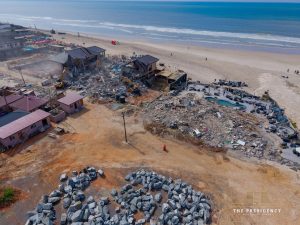
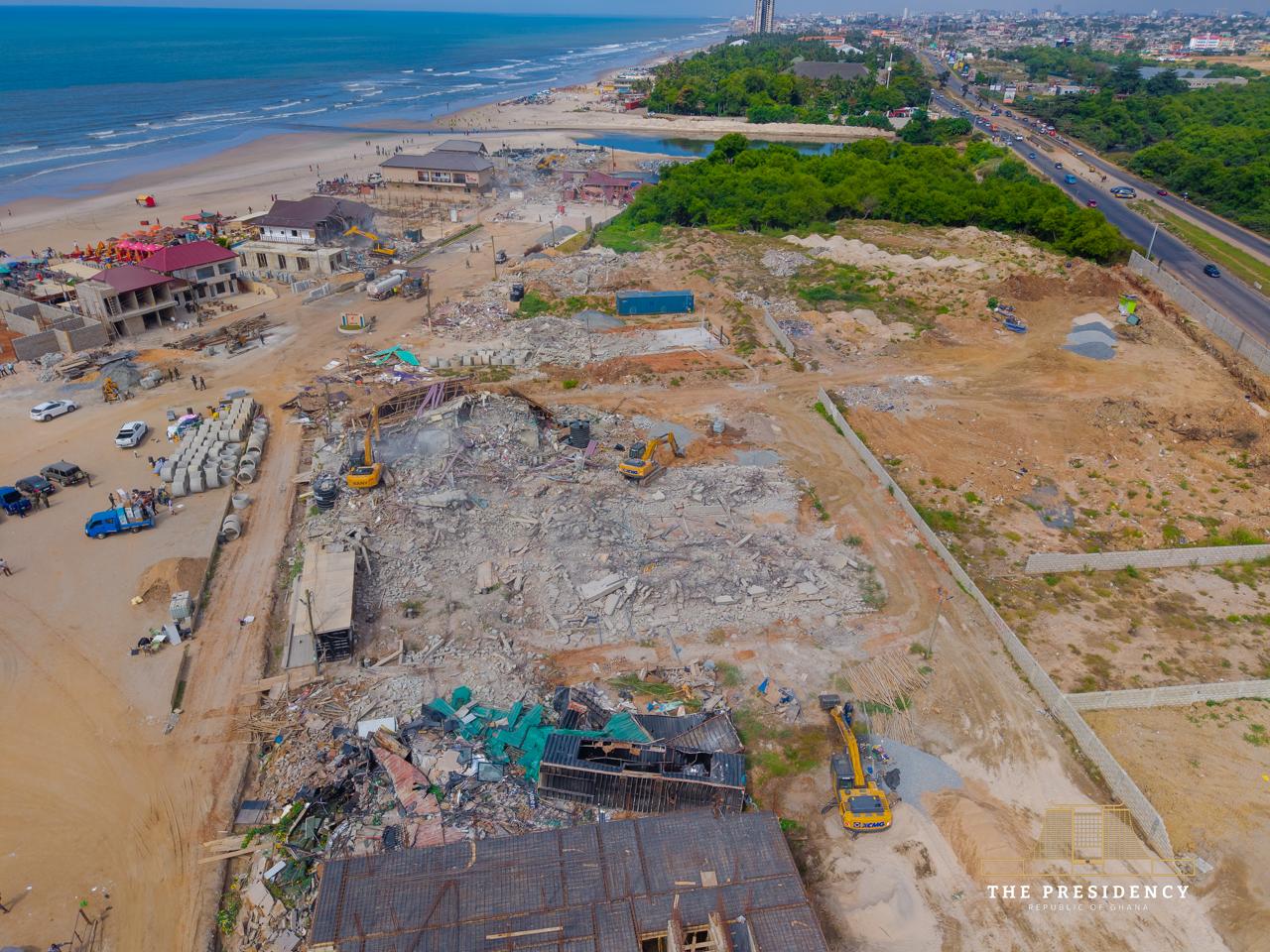
The latest operation took place on Sunday at Laboma, where the Task Force demolished structures built on silted and reclaimed portions of the Kpeshie Lagoon as part of efforts to restore the water body and protect the surrounding communities from flooding.
The exercise followed a directive issued by the Greater Accra Regional Security Council (REGSEC) on August 6, after an inspection of the Laboma Beach enclave.
Occupants within the protected lagoon buffer zone were given 21 days to vacate to allow government to undertake restoration and flood mitigation works.
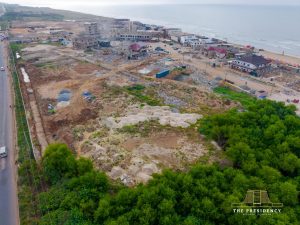
The Task Force, led at the site by the 48 Engineer Regiment, pulled down identified structures that had been constructed on portions of what was previously a natural water retention basin covered with vegetation.
The team clarified that the operation was not targeting the entire Laboma area but was focused on specific structures identified as being within the protected zone.
A newly constructed wall along the Labadi–Teshie Road was also demolished after the Task Force found that it was blocking off an area where vegetation had been cleared and filling with solid materials was ongoing.
The Laboma operation is the latest in a series of interventions undertaken by the Task Force at flood-prone locations across Greater Accra.
On July 24, the Task Force began its enforcement activities around the Tesa Dam and the Legon Boundary Road watercourse, where illegal retaining walls and unauthorised structures had narrowed the natural waterway.
The affected residents had been given three weeks’ notice before the structures were removed.
The demolition was followed by dredging of the Tesa Dam to restore its water storage capacity and improve its ability to receive excess water during heavy rainfall.
The Task Force subsequently moved to the Lafa Water Retention Basin at Mallam, where the 48 Engineer Regiment deployed heavy equipment to clear tonnes of compacted solid waste that had accumulated in and heavily silted the natural reservoir.
Illegal structures within the water reserve were also demolished as part of the operation, while protective embankments were constructed to safeguard the restored basin.
Waste and debris removed from the Lafa basin were transported to a designated landfill site at Nsawam.
At Kpeshie Lagoon, the 48 Engineer Regiment has also been conducting dredging operations, with excavators and tipper trucks deployed to remove silt and other materials that have reduced the capacity of the water body.
The series of operations reflects the Task Force’s approach of combining dredging, demolition, waste removal and restoration of retention basins to improve stormwater management across Greater Accra.
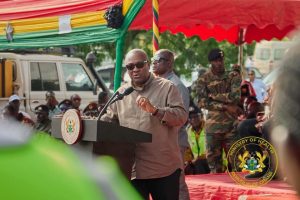
The Task Force is led by Deputy Chief of Staff, Operations, Stan Xoese Dogbe, with operational coordination by Brigadier General Okae-Yeboah, Director General, Joint Operations of the Ghana Armed Forces.
The government says the enforcement and restoration exercises will continue at identified flood-prone locations as part of efforts to restore waterways, protect natural flood buffers and reduce the risk of future flooding across the Greater Accra Region.
Richard Aniagyei, ISD