MoGCSP Explores Ratification of AU Protocols to Strengthen Protection of Women and Children
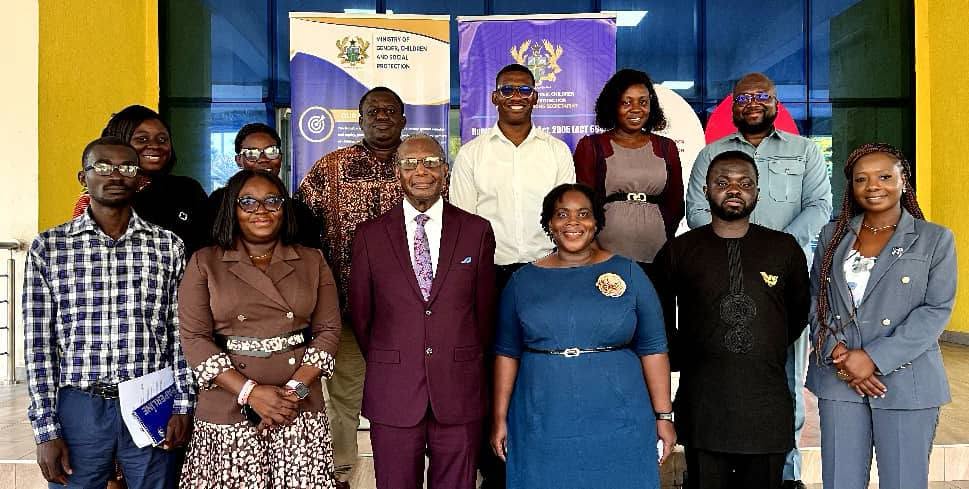
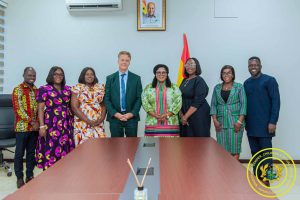
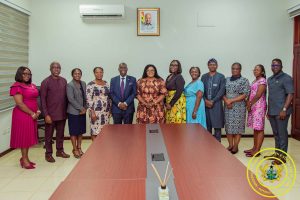
The Ministry of Gender, Children and Social Protection (MoGCSP) has held discussions with senior officials of the African Union (AU) Commission on the proposed ratification of two protocols that seek to strengthen continental accountability for human rights violations and serious crimes.
The two instruments are the 2008 Protocol on the Statute of the African Court of Justice and Human Rights, also known as the Sharm El Sheikh Protocol, and the 2021 Protocol on Amendments to the Statute, known as the Malabo Protocol.
The engagement, held last week Monday in Accra, provided officials with technical insight into the legal, institutional and practical implications of ratifying the protocols.
Presenting an overview of the proposed court, Justice Niyundeko explained that it would provide a continental judicial platform for addressing human rights violations and other serious offences, including transnational crimes.
He said the court could play an important role in promoting accountability for abuses affecting women and children, particularly child marriage, female genital mutilation, human trafficking and other harmful practices. He also highlighted its proposed jurisdiction over various African and international human rights instruments.
The discussions focused on how the court would operate alongside national judicial systems, the scope of its jurisdiction and the enforcement of its decisions.
However, Ministry officials raised concerns about state sovereignty and the extent to which member states would be required to comply with the court’s judgments.
In response, the AU delegation explained that individuals would generally be expected to exhaust available remedies within their national legal systems before seeking justice at the continental level.
The delegation also acknowledged existing difficulties in enforcing court judgments and outlined ongoing efforts to strengthen implementation mechanisms.
Access to justice for vulnerable people who may not have the financial resources to pursue cases was another major issue discussed.
The delegation explained that legal assistance arrangements and remote application procedures would help improve access to the court. It further indicated that the institution would be funded through the AU’s regular budget, with support from member states and development partners.
The AU officials encouraged Ghana to consider ratification, noting that it would reinforce the country’s commitment to human rights, good governance and the rule of law. They also pointed out that ratification would create an opportunity for Ghana to nominate judges to serve on the court.
The delegation further congratulated Ghana on its ratification of the African Union Convention on Ending Violence Against Women and Girls, describing the move as an important step towards strengthening the rights and protection of women and girls.
The engagement offered the Ministry an opportunity to assess how the proposed continental court could support its work in protecting women and children, promoting gender equality and advancing human rights.
It also provided officials with the legal and technical information needed to guide Ghana’s consideration of the two protocols and their possible ratification.
Grace Acheampong, ISD