MOGCSP Highlights Ghana’s Survivor-Centred Approach to Gender-Based Violence at Commonwealth Forum
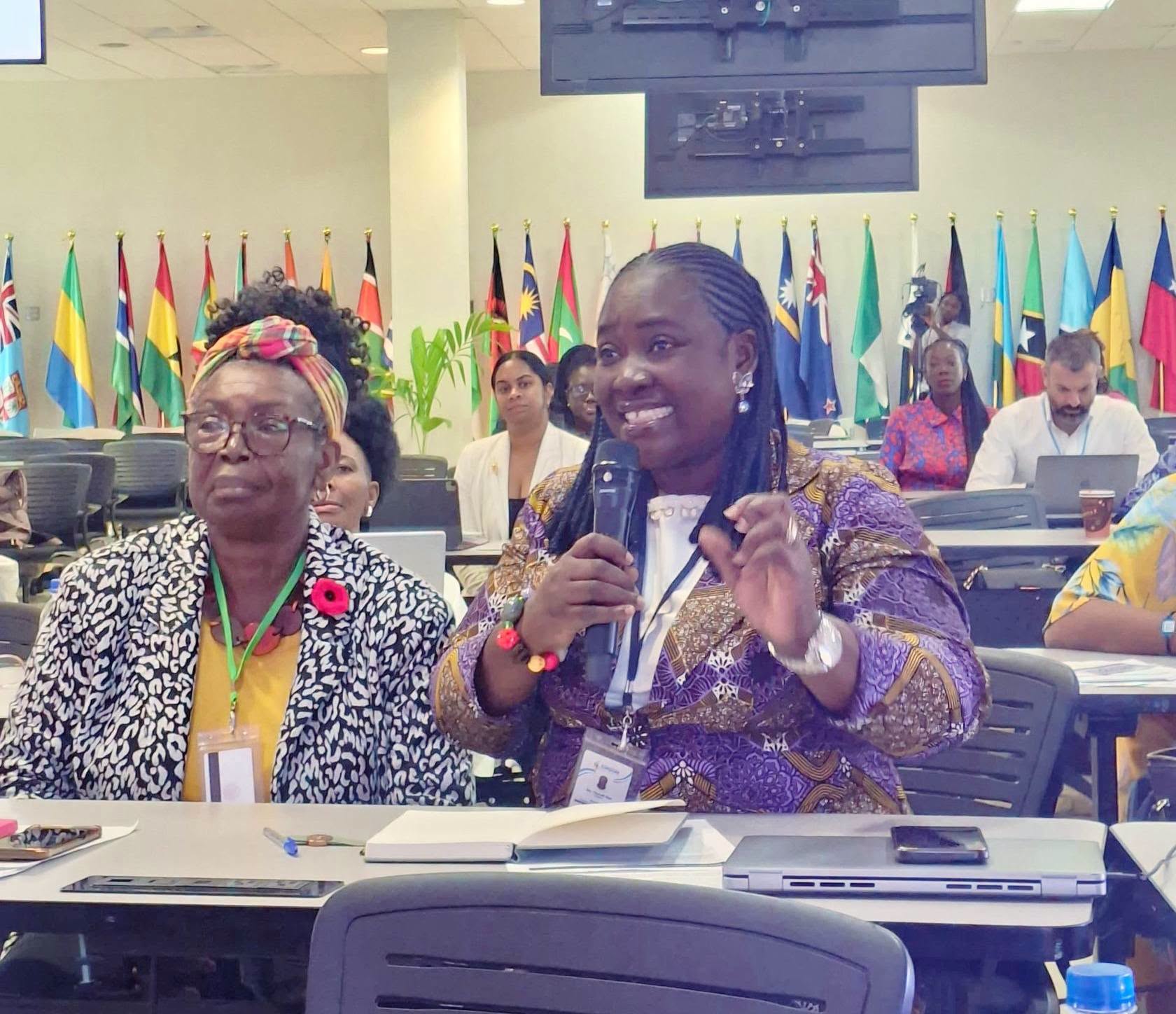
Ghana has highlighted the importance of linking healthcare delivery with the justice system in responding to gender-based violence, with emphasis on ensuring that survivors receive timely medical care, protection and access to justice.
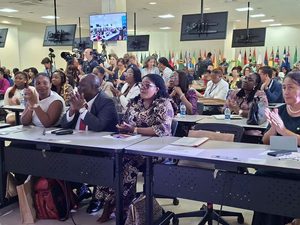
The country’s approach was shared by the Chief Programme Officer at the Ministry of Gender, Children and Social Protection (MoGCSP), Thywill Eyra Kpe, during a panel discussion at the 2026 Commonwealth Women’s Forum in St. John’s, Antigua and Barbuda.
Madam Kpe represented the Sector Minister, Dr. Agnes Naa Momo Lartey, at the session, which examined “The Health Sector Response to Gender-Based Violence in the Commonwealth: Evidence for Action.”
Discussions also explored accountability for gender-based violence in an increasingly digital world, including partnerships, emerging practices and lessons from different Commonwealth countries.
Presenting Ghana’s experience, Madam Kpe stressed the importance of medical-legal documentation in connecting survivor-centred healthcare with the justice system. She explained that medical examinations and properly completed police medical forms provide essential evidence that can support investigations and prosecutions, while ensuring survivors receive the necessary medical attention.
She noted that Ghana’s response is built on coordinated arrangements involving health, policing, justice and social welfare institutions to ensure that survivors are not left to navigate the support system alone.
These arrangements provide access to frontline services, including treatment for injuries, emergency medical care, psychosocial support and medical-legal documentation to support the pursuit of justice.
The panel also emphasised the need for accessible and well-coordinated services that respond to both the health and legal needs of survivors, while placing their safety, dignity and wellbeing at the centre of interventions.
Beyond gender-based violence, the Forum examined broader priorities for advancing women’s equality across the Commonwealth.
These included sustainable funding for women’s rights organisations, removing barriers to education, recognising and investing in unpaid care work and the care economy, improving women’s health, addressing gender-based violence and promoting climate justice.
Participants also called for stronger partnerships and collective action to accelerate progress towards gender equality.
Ghana’s participation in the Forum provides an opportunity to showcase its approaches to protecting survivors, exchange experiences with Commonwealth partners and draw lessons to strengthen national response systems and advance the rights and wellbeing of women and girls.
Grace Acheampong, ISD