UNECA, GENDER MINISTRY EXPLORE WAYS TO IMPROVE WOMEN’S ACCESS TO FINANCIAL SERVICES
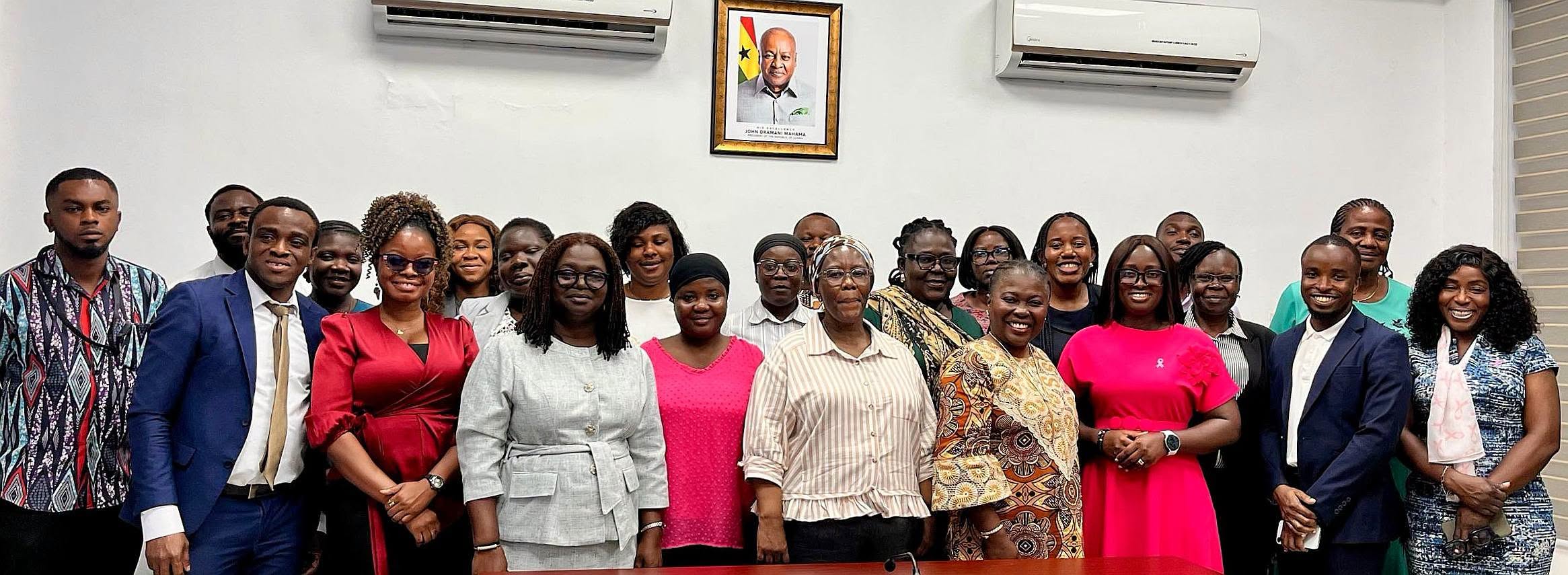
The United Nations Economic Commission for Africa (UNECA) and the Ministry of Gender, Children and Social Protection are exploring ways to improve women’s access to financial services and ensure that Ghana’s fiscal policies better address their economic needs.
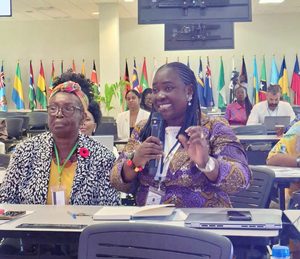
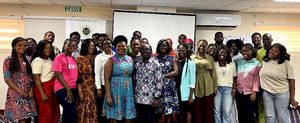
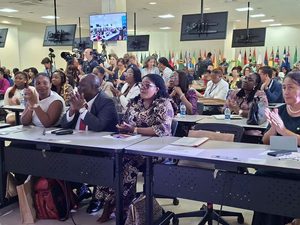
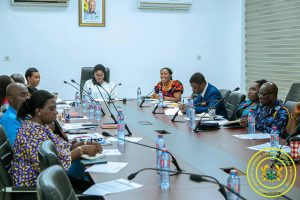
The initiative was discussed at a technical consultation involving representatives from government institutions, financial sector organisations, civil society and development partners. The meeting focused on strengthening women’s financial inclusion and integrating gender considerations into national fiscal policies.
Speaking on behalf of the Chief Director, the Director of the Policy Planning, Monitoring and Evaluation Directorate, Florence Ayisi Quartey, welcomed the UNECA delegation and participants, describing the consultation as an important opportunity to review existing policies, share experiences and identify areas requiring further attention.
She expressed appreciation for UNECA’s engagement, noting that its technical expertise would help strengthen the implementation and impact of policies and programmes designed to promote gender equality and expand women’s participation in economic activities.
The UNECA team said the mission aimed to deepen its understanding of Ghana’s financial inclusion systems and identify practical tools to track progress and build institutional capacity.
It stressed the need for financial inclusion strategies that recognise the different circumstances and needs of women, particularly young women, entrepreneurs and those in vulnerable situations.
Participants also examined how gender-responsive fiscal policies could improve women’s access to financial services. Discussions centred on barriers limiting women’s financial inclusion, the effectiveness of existing policies, and opportunities to make financial sector initiatives more responsive to their needs.
The consultation forms part of UNECA’s scoping mission to support the integration of gender perspectives into Ghana’s fiscal policies and financial inclusion strategies.
The mission is expected to produce a comprehensive assessment outlining opportunities for gender-responsive budgeting, improved financial inclusion and targeted technical assistance.
Its findings will inform recommendations to strengthen policies and interventions aimed at advancing gender equality, expanding women’s economic opportunities and promoting inclusive development in Ghana.
Grace Acheampong, ISD