OCTP partners commit US$1.5 billion to Ghana’s oil and gas sector
Partners in the Offshore Cape Three Points (OCTP) project have committed US$1.5 billion to new investments in Ghana’s petroleum sector as government intensifies efforts to reverse declining production and attract fresh capital.
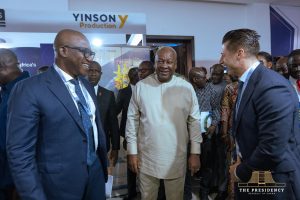
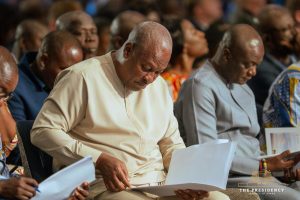
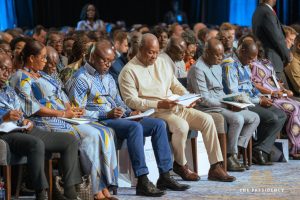
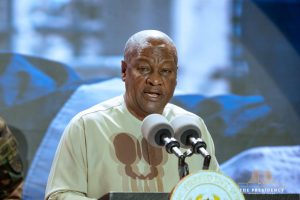
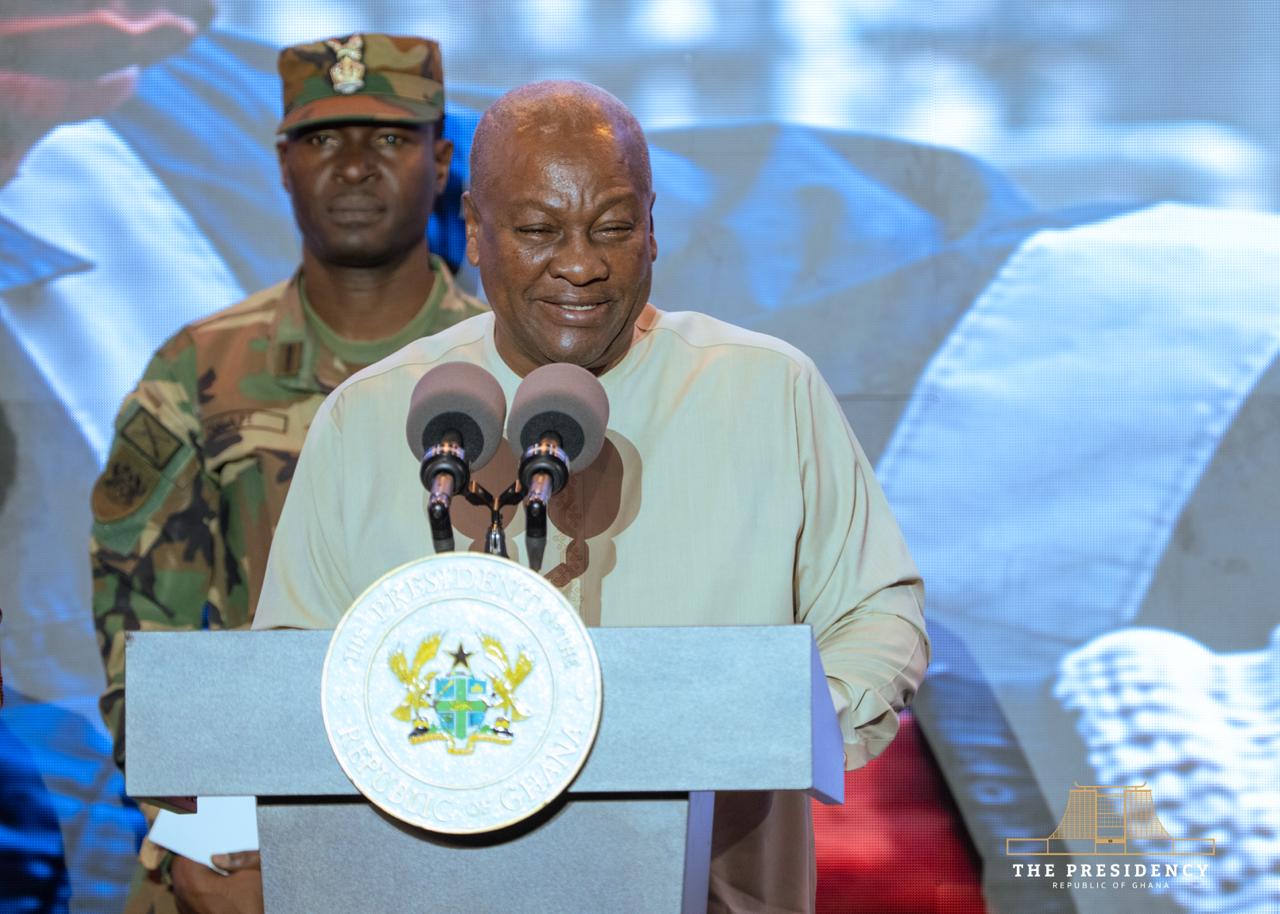
President John Dramani Mahama disclosed the commitment at the 2026 Local Content Conference and Exhibition organised by the Petroleum Commission in Takoradi on Tuesday, November 10.
He said the investment, alongside a separate US$2 billion commitment from the Jubilee partners, would support new wells, subsea infrastructure and the expansion of production facilities.
“The Jubilee Partners have committed $2 billion. And the Offshore Cape Three Points Partners have committed $1.5 billion. These investments are going to fund new wells, subsea infrastructure, and the expansion of production facilities,” he said.
The President said the investments were expected to strengthen production and support the country’s efforts to rebuild confidence in the upstream petroleum industry.
At Jubilee, he said, the investment was expected to sustain oil output while increasing gas production. The gas price from the field was also expected to decline by about 18%, resulting in estimated savings of approximately US$300 million for Ghana.
President Mahama further disclosed that Ghana was currently producing about 400 million standard cubic feet of natural gas per day, with output expected to approach 500 million standard cubic feet following the upgrade of the OCTP non-associated gas facilities.
Under the renegotiated gas sales agreement with ENI, the average gas price was also expected to fall by 23%, generating projected savings of about US$3.5 billion over the remaining life of the field.
He said the government had fully restored the US$500 million World Bank guarantee and was up-to-date with gas payments to its partners.
The President attributed the renewed commitments partly to government’s engagement with industry players to resolve outstanding disputes and restore confidence in Ghana’s petroleum prospects.
“When my administration took office, I asked the Minister for Energy and Green Transitions to resolve the outstanding upstream disputes, restore investor confidence, and work with our partners to reverse the decline in production,” he said.
He added that he had personally chaired several meetings with the partners and was pleased with their positive response and decision to reinvest in the country.
Crude oil production, which had fallen to about 88,000 barrels per day, has now risen to more than 120,000 barrels per day, according to the President.
He said the investments must also create opportunities for Ghanaian businesses and workers, urging operators to provide local suppliers with early access to contract information and incorporate training and technology transfer into their partnerships.
President Mahama said Ghana remained committed to its upstream partners and would resolve disagreements and arbitration matters in a manner that was beneficial to all parties.
Richard Aniagyei, ISD