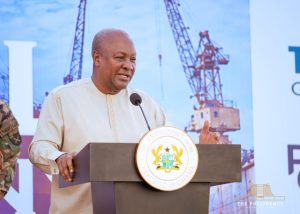
President Mahama calls for stronger Ghanaian ownership and capacity in oil industry
President John Dramani Mahama has called for greater attention to the capacity of Ghanaian-owned businesses to undertake more complex contracts in the petroleum industry, saying local participation must translate into stronger technical skills, technology transfer and business growth.
He said the success of Ghana’s local content policy should not be measured only by the ownership of companies but also by the quality of work undertaken locally and the capabilities Ghanaian businesses develop through their participation in the industry.
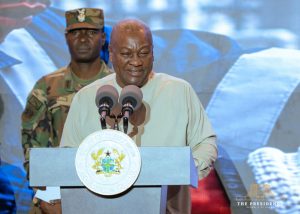
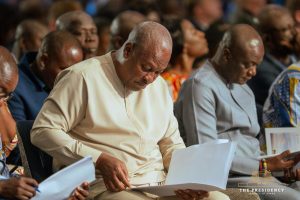
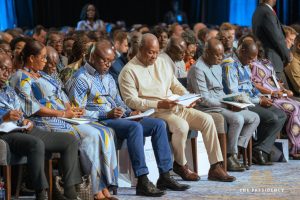
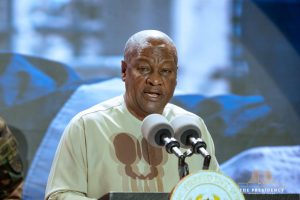
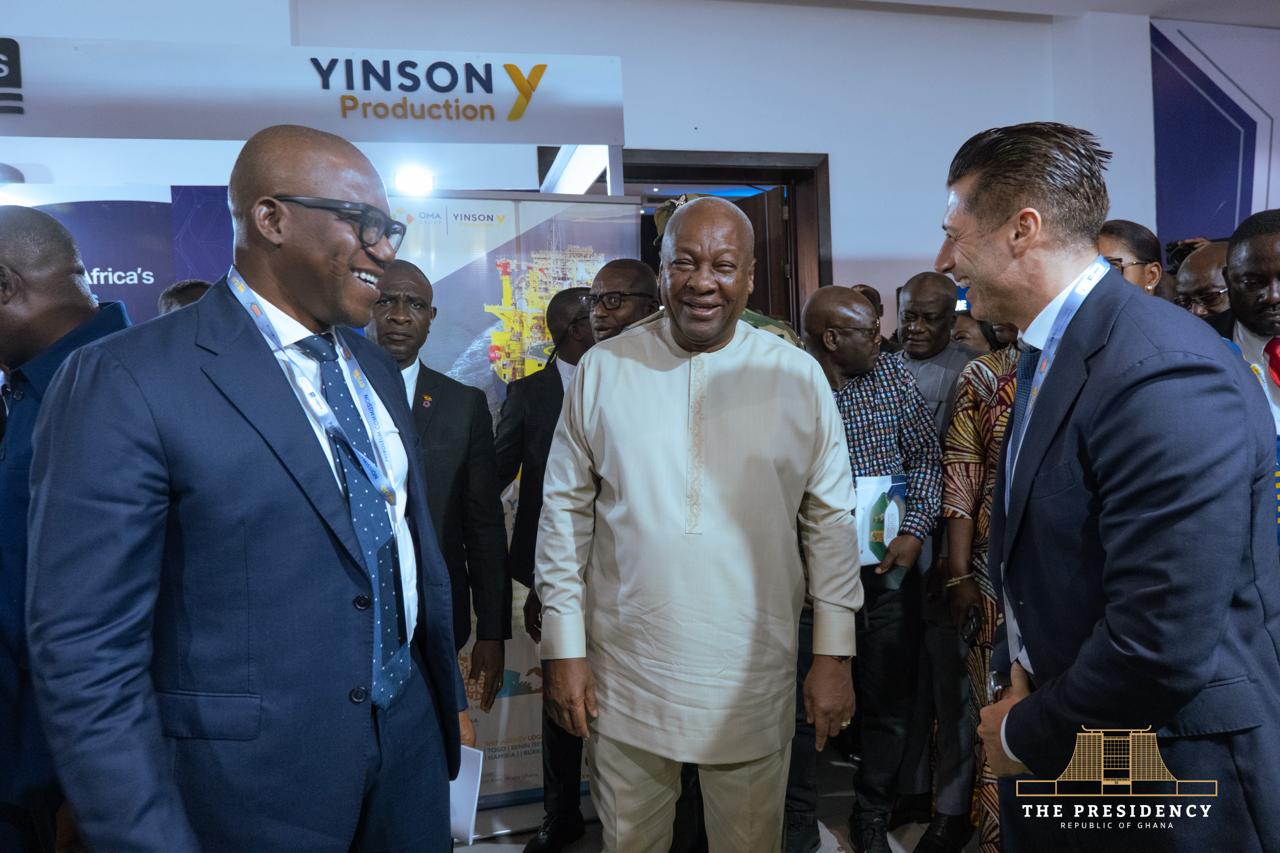
President Mahama made the call at the 2026 Local Content Conference and Exhibition organised by the Petroleum Commission in Takoradi on Tuesday, where he described Ghanaian ownership as an important part of our local content policy.
“We must build on this by paying closer attention to the work carried out in Ghana, the skills and the technologies that are transferred, and the capacity that Ghanaian companies develop from one contract to the next,” he stated.
The President said the country must attract the investment required to discover and develop new petroleum reserves while ensuring that Ghanaian businesses and workers secured a greater share of the opportunities created by the growing industry.
He challenged industry players to assess whether more local companies were capable of competing for complex contracts and delivering work to the required standards.
“Can more Ghanaian companies compete for complex contracts and deliver them to the required standard? Can young people here in the Western Region see a path from the classroom to skilled work in the oil and gas industry?” he asked.
President Mahama urged international operators to provide qualified Ghanaian suppliers with early information about upcoming contracts to enable them to prepare and compete effectively.
He also called for training and technology transfer to be incorporated into partnerships between foreign operators and local companies.
“I therefore urge operators to provide qualified Ghanaian suppliers with early visibility of upcoming contracts and to embed training and technology transfer into their partnerships,” he said.
The President also identified access to finance as a major constraint affecting the ability of local suppliers to undertake larger contracts.
He encouraged banks and other financial institutions to work with credible Ghanaian suppliers to develop financing arrangements that would enable them to expand their operations and participate more effectively in the petroleum industry.
President Mahama further called on universities, technical institutions and professional bodies to work closely with industry to ensure that training programmes reflected the skills required by employers.
He said young people, particularly those in the Western Region, should be able to see clear pathways from education into skilled employment in the oil and gas sector.
The President said government would work to maintain a stable and predictable investment environment, while the Petroleum Commission would be expected to enforce standards on safety, environmental protection and local participation.
He said the progress of the industry must ultimately be measured by the benefits delivered to Ghanaian workers, businesses and communities.
Mahama urged participants at the conference to identify specific contracts that local firms could undertake, training opportunities that industry could support and partnerships capable of attracting new investments into production.
Richard Aniagyei, ISD