President Mahama moves reparatory justice agenda forward with three global panels
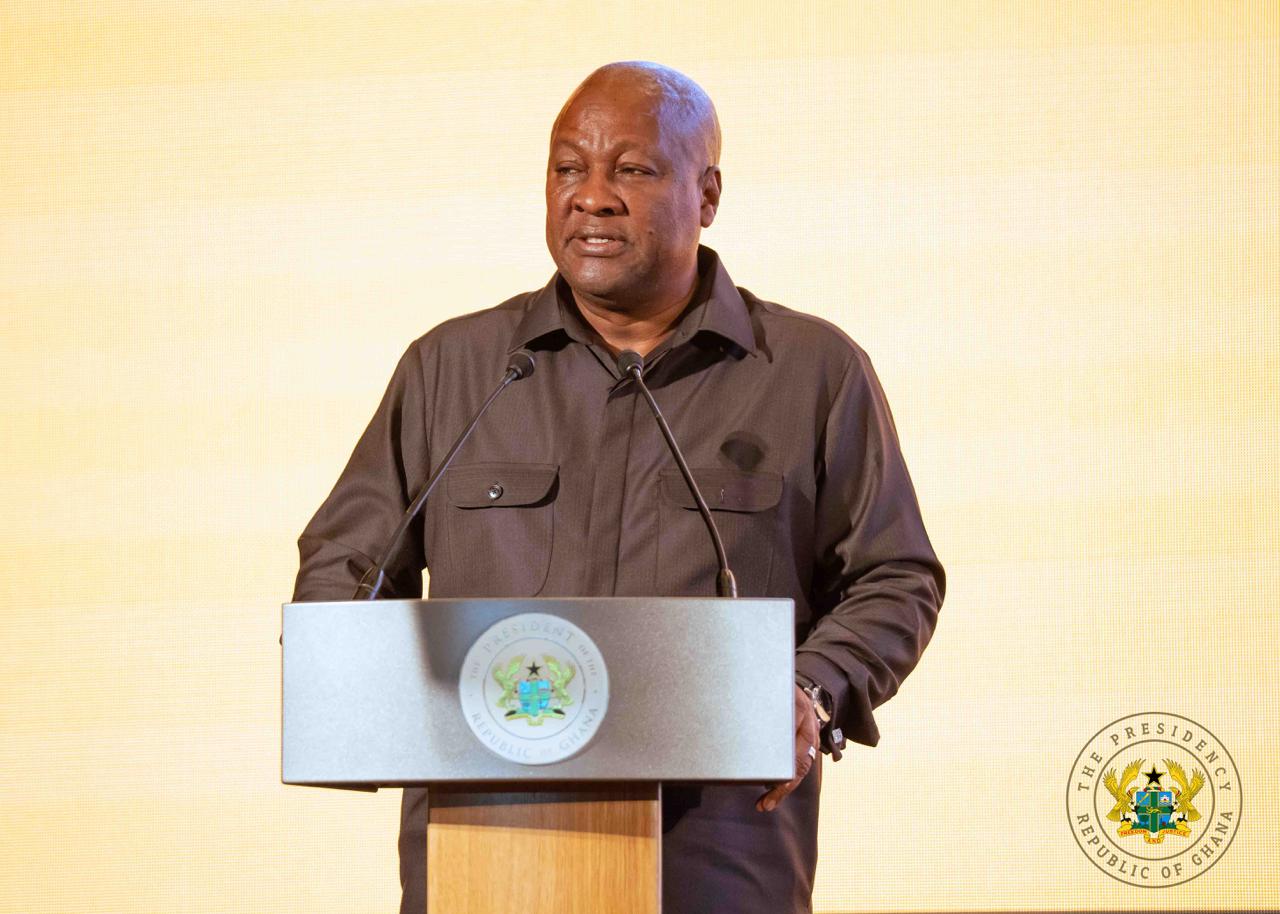
President John Dramani Mahama has announced the establishment of three global panels designed to move the international reparatory justice agenda from recognition into action, following the adoption of a United Nations General Assembly resolution in March declaring the transatlantic slave trade a crime against humanity.
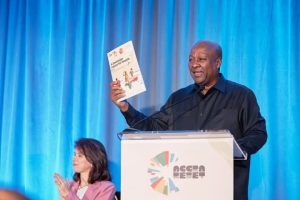
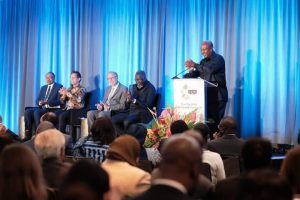
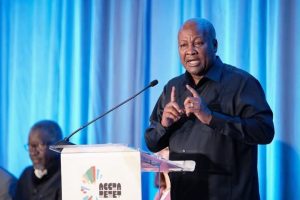
The President announced this while addressing the Next Steps High Level Consultative Conference in Accra, convened to chart the course of international engagement following the adoption of Resolution A/RES 80/250, which 123 member states supported on 25th March 2026.
“Today, we must move from recognition to building the architecture for reparatory justice to ensure the momentum generated by Resolution A/RES 80/250 is sustained and translated into practical outcomes,” President Mahama said.
The first of the three panels is a Global Advisory Panel on Reparatory Justice, comprising heads of state and government, eminent leaders and public figures who will provide strategic guidance to advance international dialogue and cooperation on the issue.
The second is an Expert Panel on the Restitution of Cultural Artefacts, tasked with supporting efforts to facilitate the return of cultural properties, archives, sacred objects and historical treasures to their rightful communities and countries of origin.
The third is a Global Legal Panel on Reparatory Justice, bringing together distinguished jurists and legal scholars to explore legal pathways, deepen legal understanding and develop approaches consistent with international law, human dignity and justice.
President Mahama said the panels were not intended to replace the work of governments, regional organisations or international institutions but to strengthen that work by providing intellectual, technical and policy support as the international community moved from recognition to implementation.
He said the CARICOM 10-point plan would serve as an important starting point for the work of the panels, and called for collaboration among governments and partners to promote greater alignment among existing initiatives.
The resolution whose adoption prompted the conference was itself the product of an announcement President Mahama made before the United Nations General Assembly on 25th September 2025, when he declared Ghana’s intention to introduce a resolution recognising the trafficking of enslaved Africans as the gravest crime against humanity.
He told the conference that what had seemed a bold and uncertain proposition at the time had within six months commanded the support of 123 member states, a result he described as a decisive majority.
President Mahama said the adoption of the resolution was never intended to mark the end of the journey but to provide the foundation for a more meaningful process of engagement, reflection and action, and that the conference in Accra was the first expression of that intent.
Richard Aniagyei, ISD