Ghana Reaffirms Commitment to Inclusive Social Protection at Continental Knowledge Exchange Event
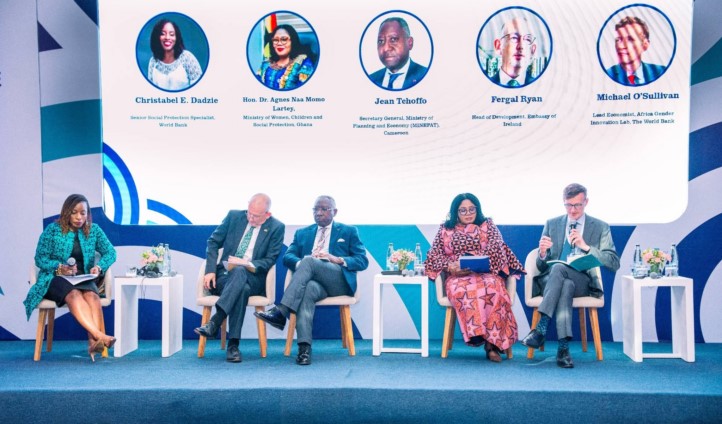
Ghana has reaffirmed its commitment to building resilient and inclusive social protection systems, with a focus on women’s economic empowerment and sustainable poverty reduction, at a high-level continental knowledge exchange event held in Addis Ababa, Ethiopia.
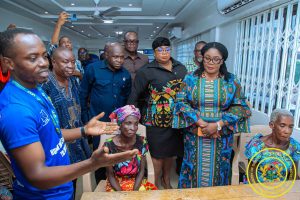
The Minister for Gender, Children and Social Protection, Dr Agnes Naa Momo Lartey, led a Ghanaian delegation to participate in the Knowledge Exchange and Closing Event for Ethiopia’s Productive Safety Net Programme Phase Five (PSNP 5), a social protection initiative recognised across Africa for supporting vulnerable populations.
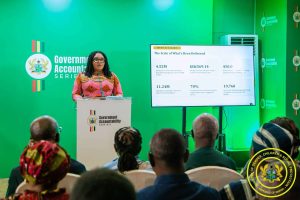
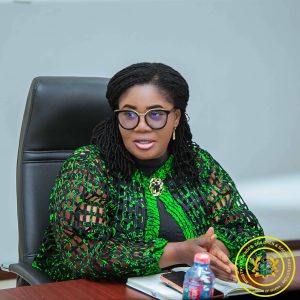
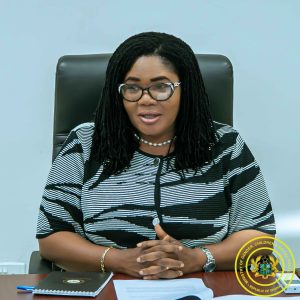
Speaking during a panel discussion on the theme, “Out of Poverty into Jobs: Advancing Women’s Economic Empowerment in Social Protection Programmes,” Dr Lartey said social protection should be viewed as an investment in human capital development and national economic growth rather than a welfare expenditure.
She highlighted the role of the Ghana National Household Registry (GNHR) in improving beneficiary targeting under the Livelihood Empowerment Against Poverty (LEAP) Programme. According to her, the use of GNHR data, together with community validation and community-based targeting mechanisms, has strengthened the credibility of beneficiary selection while reducing inclusion and exclusion errors.
Dr Lartey also stressed the importance of coordination among social protection institutions. She cited collaboration between the Ministry of Local Government, Decentralisation and Rural Development and the National Health Insurance Authority (NHIA), which has enabled LEAP beneficiary households to access free enrolment onto the National Health Insurance Scheme through data-sharing arrangements.
She disclosed that during the recent LEAP reassessment exercise, the Ministry engaged the Bank of Ghana to facilitate the temporary onboarding of eligible beneficiaries while arrangements are made for those without Ghana Cards to obtain them.
She explained that the intervention became necessary because the Ghana Card is required to access financial services and was intended to ensure that vulnerable households are not excluded from support.
She noted that Ghana is integrating complementary services into its social protection programmes, including productive inclusion initiatives that help women establish and expand income-generating activities such as petty trading and other micro enterprises.
She also called for efforts to address harmful social norms and cultural barriers that limit women’s economic participation and undermine empowerment initiatives.
The Minister highlighted achievements in Ghana’s social protection sector, including the strengthening of the Ghana National Household Registry, reforms and expansion of the LEAP Programme, and the passage of Ghana’s Social Protection legislation, which provides a stronger legal and policy framework for implementing social protection interventions.
Dr Lartey said Ghana has made solid progress in expanding access to identification systems and social protection services through collaboration among government institutions and development partners.
She called for stronger cooperation among African countries, increased investment in graduation-focused social protection programmes, and continued sharing of experiences and innovations to accelerate poverty reduction and women’s economic empowerment across the continent.
Ghana’s participation in the event underscored the country’s commitment to building inclusive social protection systems that support vulnerable populations, particularly women, to achieve sustainable livelihoods and economic independence.
Priscilla Osei-Wusu Nimako, ISD