The Registrar of the Registrar General’s Department, Grace Ama Issahaque, has called for stronger international legal protection for Ghana’s iconic Kente fabric as the country moves to secure global recognition for the traditional textile under the Geographical Indication (GI) system.
Speaking at a stakeholder workshop on the International Registration of Kente Geographical Indication in Accra, she said Ghana must adopt effective legal strategies to protect Kente in foreign markets where intellectual property systems differ.
Madam Issahaque said Ghana had already secured national protection for Kente and was now focused on extending that protection internationally to prevent misuse and imitation abroad.
“Different countries use different legal systems for the protection of geographical indications, some countries, including the United States, protect such products under trademark law, while others operate separate geographical indication systems,” she noted.
She said Ghana must carefully assess the most suitable legal mechanisms for each target market to ensure Kente receives adequate protection internationally.
The Registrar urged stakeholders to actively participate in discussions and contribute ideas that would help shape Ghana’s international registration strategy.
“Kente is part of Ghana’s cultural identity and heritage. Protecting it internationally will not only preserve its authenticity but also create more economic opportunities for the communities involved in its production,” she stated.
Head of the Geographical Indications and Plant Variety Protection Units at the RGD, Dr Courage Besah-Adanu, said geographical indications help protect products whose quality, reputation and characteristics are linked to specific places of origin.
According to him, countries around the world are increasingly using GI protection to preserve cultural heritage and improve the market value of indigenous products.
“Geographical indications protect the reputation products have already built among consumers and prevent misuse of their names and identities,” he said.
Dr Besah-Adanu also listed several Ghanaian products with strong potential for GI protection, including Smock, Pona yam, Waakye, Jollof, yɔkɛ gari (Gobe), Ekumfi pineapple, Anloga shallots, Shea butter, Bolga baskets and hats, Dzomi Palm Oil and Akpeteshie.
He noted that legal registration alone was not enough to secure effective protection for products under the Geographical Indication (GI) system, explaining that strong systems for standardisation, traceability, quality assurance and producer organisation were necessary to maintain authenticity and sustain consumer trust.
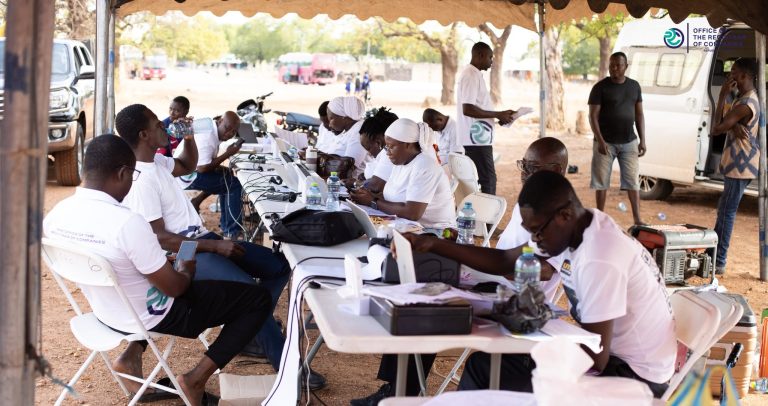
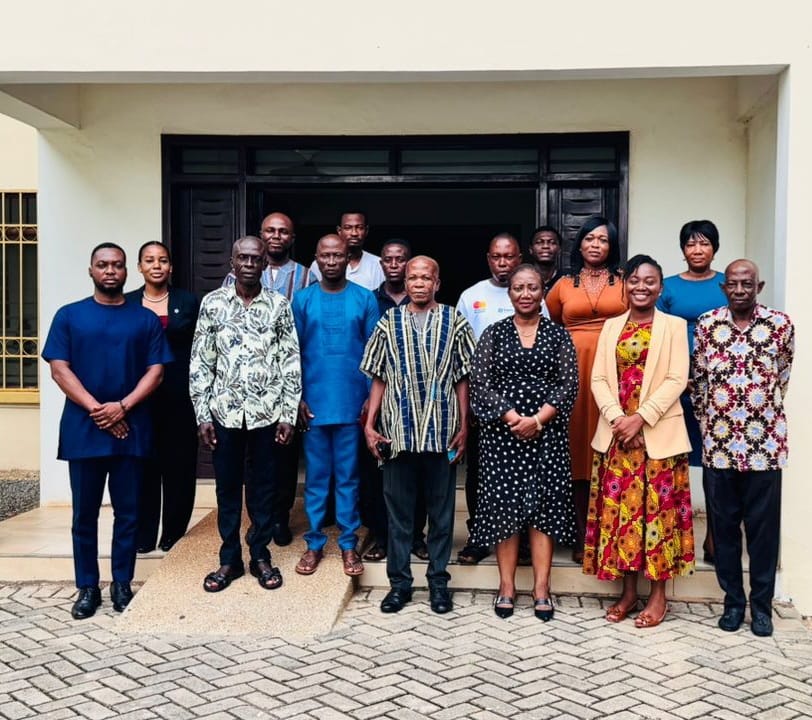
The workshop, organised by the Ghana Industrial Property Office (GHIPO) under the Registrar-General’s Department (RGD), brought together representatives from Kente weaving communities and officials from GHIPO to discuss pathways for obtaining international protection for the fabric.
Joyce Adwoa Animia Ocran, ISD