RTI OFFICER EMPOWERS COMMUNITIES AND PERSONS WITH DISABILITIES ON ACCESS TO INFORMATION IN KWAHU AFRAM PLAINS NORTH

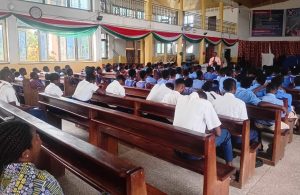
The Right to Information (RTI) Officer of the Kwahu Afram Plains North District Assembly has intensified public education efforts by conducting a series of sensitization programmes on the Right to Information Act, 2019 (Act 989) in the communities of Koete Akoetey, Adzorkpodzi, and Blegedi. Held on May 8, 13, and 22, 2026, respectively, the engagements brought together community members, including persons with disabilities, at community centres to enhance awareness of citizens’ right to access information and its significance in promoting inclusive governance.
During the sessions, the RTI Officer provided participants with a comprehensive overview of the Act, explaining its purpose, scope, and the responsibilities of both public institutions and citizens. He highlighted the role of the RTI Act in strengthening transparency, accountability, and public participation in decision-making processes. Particular emphasis was placed on empowering persons with disabilities to actively engage in issues that affect their lives by exercising their legal right to obtain information held by public institutions.

The sensitization exercise also demonstrated the critical role of Information Officers in bridging the information gap between public institutions and citizens. Participants were guided through the procedures for requesting information, the timelines for institutional responses, and the protections available under the law. The RTI Officer further explained that persons with disabilities and individuals classified as poor are exempt from paying reproduction costs for information requests, ensuring that financial barriers do not hinder access to information. He encouraged community members to make use of the law without fear or intimidation, assuring them of the confidentiality and protections guaranteed under the Act.
The interactive nature of the programme allowed participants to seek clarification on various aspects of the RTI Act and share concerns regarding access to information. The RTI Officer responded to all questions and encouraged continued engagement with public institutions as a means of promoting openness and accountability. Community members expressed appreciation for the sensitization exercise, describing it as informative and empowering. The programme concluded with a renewed commitment among participants to exercise their right to information and contribute to transparent and accountable governance within their communities.