Fisheries Ministry Drives Blue Economy with Commercial Offshore Farming License
The Ministry of Fisheries and Aquaculture is developing a Marine Aquaculture Policy to guide the growth of offshore fish farming as part of efforts to increase domestic fish production, attract investment and reduce pressure on wild fish stocks.
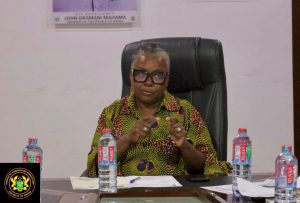
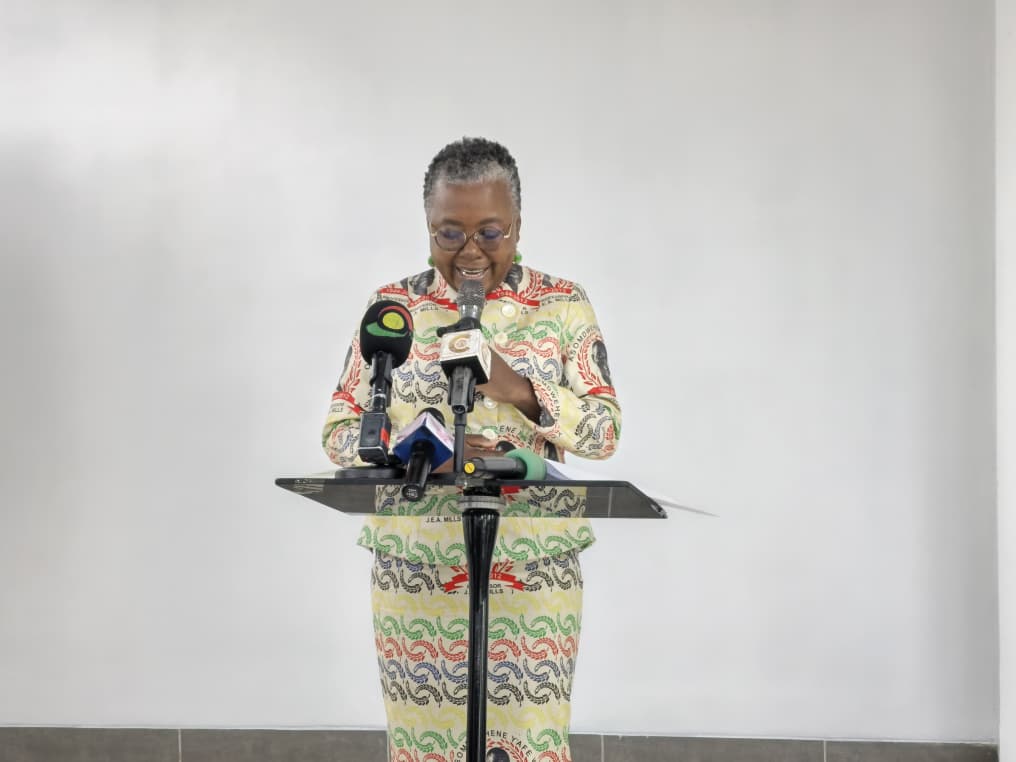
The Minister for Fisheries and Aquaculture, Madam Emelia Arthur, disclosed this on Wednesday at the Ministry’s mid-year media engagement in Accra.
She noted that the policy forms part of the government’s broader agenda to transform the fisheries sector through sustainable aquaculture and Blue Economy development.
The Minister said aquaculture had become a central component of Ghana’s food security and economic development plans, noting that the country’s annual fish requirement is at about 1.2 million metric tonnes while local production remains below demand.
She said government was creating the conditions needed for the industry to expand by supporting commercial fish farming, encouraging private sector participation and improving market access.
As part of that agenda, the Minister announced that Ghana had issued its first provisional licence for commercial offshore marine aquaculture, describing it as the beginning of a new phase in the country’s fisheries development.
Madam Arthur said offshore mariculture would support the production of high-value fish species such as cobia, red snapper and pompano while creating skilled jobs, attracting investment and promoting technology transfer.
According to her, the initiative will also position Ghana to compete in marine aquaculture within the West African region while easing pressure on marine fish stocks through responsible fish farming.
The Minister said government was also implementing the Komfueku Aquaculture Project, which is converting abandoned clay and quarry pits into commercial fish farms through partnerships with the private sector.
She said the project would increase fish production, create employment, provide technical support to farmers and improve market access for surrounding communities.
The Ministry is also promoting community-based commercial aquaculture by supporting cooperatives, providing technical assistance and encouraging investment across the aquaculture value chain.
The Minister said the objective is to build an industry that offers employment opportunities for young people and women while contributing to exports and national economic growth.
She added that government had completed the development of Ghana’s Blue Economy Strategy and prepared a Blue Economy Policy framework to guide the sustainable use of the country’s marine and inland water resources. A bill is also being prepared for Cabinet to establish a legal framework for the Blue Economy.
The Minister said the future of Ghana’s fisheries would depend not only on conserving marine resources but also on expanding fish production through aquaculture in farms, rivers and offshore waters.
She said government would continue to expand aquaculture opportunities for young people, women and private investors as part of its priorities for the second half of 2026.
Irene Wirekoaa Osei, ISD