Northern Regional Minister Calls for Stronger Water Systems in Rural and Vulnerable Areas
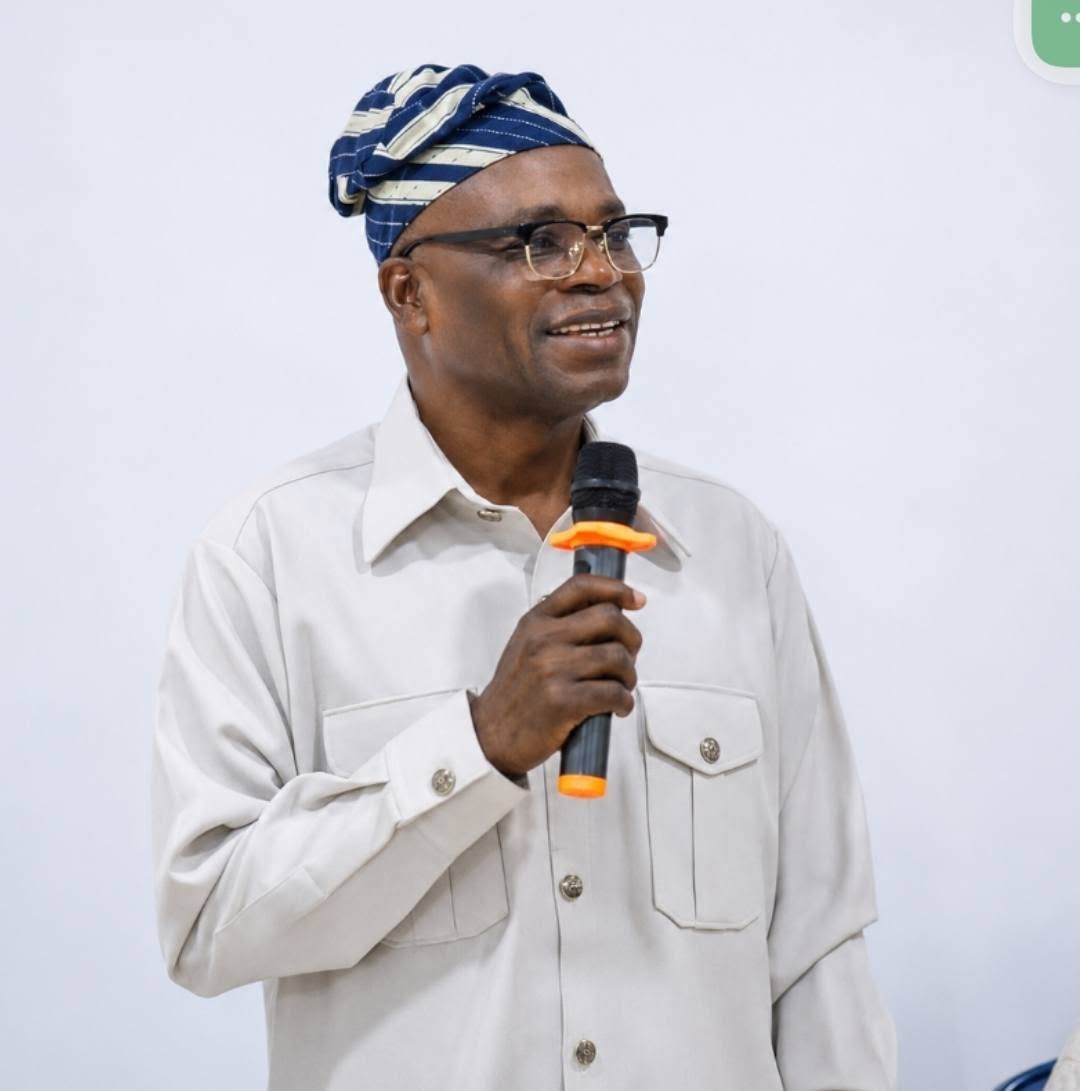
The Northern Regional Minister, Mr Ali Adolf John, has called for a deliberate shift from simply providing water infrastructure to establishing sustainable and professional water-service delivery systems.
He believes this will guarantee reliable access to safe and affordable drinking water in hard-to-serve communities across the Northern Region.
He made the call on Wednesday, in a speech delivered on his behalf at a stakeholder engagement on “Professionalising Water Service Delivery in Hard-to-Serve Communities” organised by Saha Global in Tamale.
Commending Saha Global for convening the forum, Mr Adolf John described access to safe, reliable and sustainable drinking water as one of the major development challenges confronting communities in the Northern Region, especially those in remote and hard-to-reach areas.
He noted that the challenge goes beyond infrastructure, saying, “Reliability, quality, affordability and sustainability are equally important”, adding that many rural communities face low water tables, difficult hydrogeological conditions and dispersed settlements, making conventional water-delivery models technically challenging and costly.
The Minister said inadequate access to water still forces residents, particularly women and children, to travel long distances for potable water, with serious implications for public health, school attendance, household productivity, sanitation and dignity.
He therefore urged stakeholders to place equal emphasis on keeping water systems functional and delivering reliable services over the long term, adding that President John Dramani Mahama recognises safe and reliable water as a fundamental component of national development.
Outlining Government’s approach, Mr Adolf John said this includes improving existing systems, strengthening management and maintenance, mobilising sustainable financing, and promoting partnerships with the private sector, development partners, CSOs and local communities.
He disclosed that the 2025 Government Budget has dedicated a portion of the District Assemblies Common Fund (DACF) to the provision of potable water, including a minimum number of boreholes for rural Assemblies.
Highlighting interventions in the Northern Region, the Minister said 76 boreholes and 125 mechanised boreholes have been constructed across the Region over the past year, with some still at various stages of completion.
He also acknowledged Saha Global’s contribution, noting that the organisation currently operates close to 200 water systems, serving more than 74,000 people across 15 districts in the Northern Region.
While affordability is important, he cautioned that systems that cannot generate adequate resources for maintenance, repairs, energy and management will eventually become unsustainable.
Mr Adolf urged MMDCEs to view professionalised water service delivery not as a transfer of responsibility, but as an opportunity to improve quality, efficiency and sustainability and called for clarity on who will operate systems, finance energy costs, collect revenue, undertake maintenance and ensure spare parts are available.
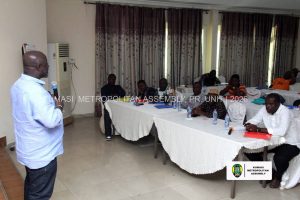
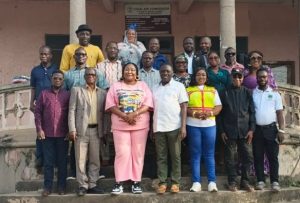
The engagement brought together MMDCEs, representatives from the University for Development Studies and academia, development partners, heads of government institutions, Saha Global officials, partner NGOs and WASH organisations, as well as traditional and community leaders.
Bala Ali & Salifu Yakubu Abdulai, ISD