Ghana Advances Sustainable Solutions for Refugees — Dr Swallah
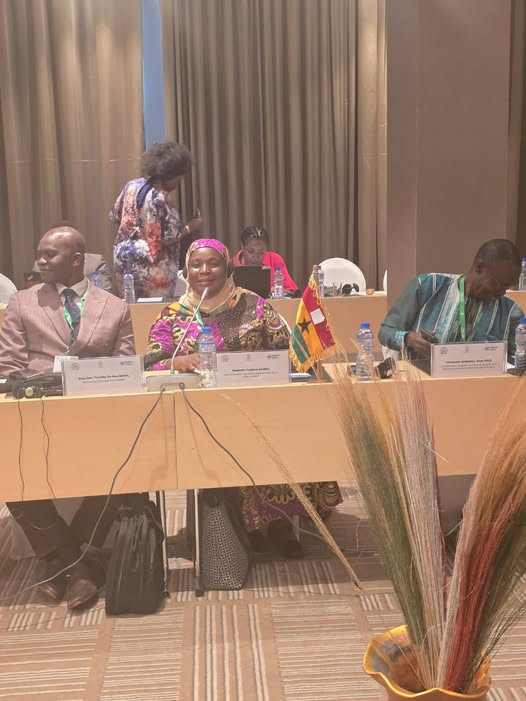
The Deputy Executive Secretary of the Ghana Refugee Board (GRB), Dr Nasibatu Tahiru Swallah, has highlighted Ghana’s progress in refugee protection and inclusion, stressing the importance of creating sustainable opportunities for refugees and host communities.
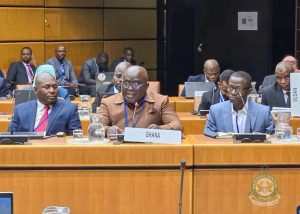
She made the remarks during technical sessions and roundtable discussions at the Lomé Dialogue 2026, a regional dialogue on refugee protection and national security.
She said Ghana’s approach to refugee protection was increasingly centred on inclusion, resilience and the creation of sustainable livelihoods, alongside the provision of essential protection services.
Highlighting some of Ghana’s initiatives, Dr Swallah cited the Ghana Refugee Agribusiness and Sustainability Programme (GRASP), under which refugees and members of host communities are cultivating about 10,000 acres of farmland.
She explained that the programme was promoting climate-smart agriculture while creating new enterprises under the Circular Bio-economy model, thereby supporting livelihoods and strengthening the economic resilience of both refugee and host communities.
Dr Swallah also highlighted Ghana’s efforts to improve refugees’ access to essential services, including education, healthcare, banking and telecommunications, as well as digital identity through the Refugee Ghana Card.
According to her, access to these services was helping to open opportunities for refugees to participate in financial services, employment and other aspects of social and economic life.
She noted that refugee inclusion should go beyond providing immediate protection to creating an environment in which refugees could develop their capacities, become economically active and contribute to the communities in which they lived.
Judith Twumwaa, ISD