Social Protection Reach Expands as 4.53m Children Benefit from School Feeding
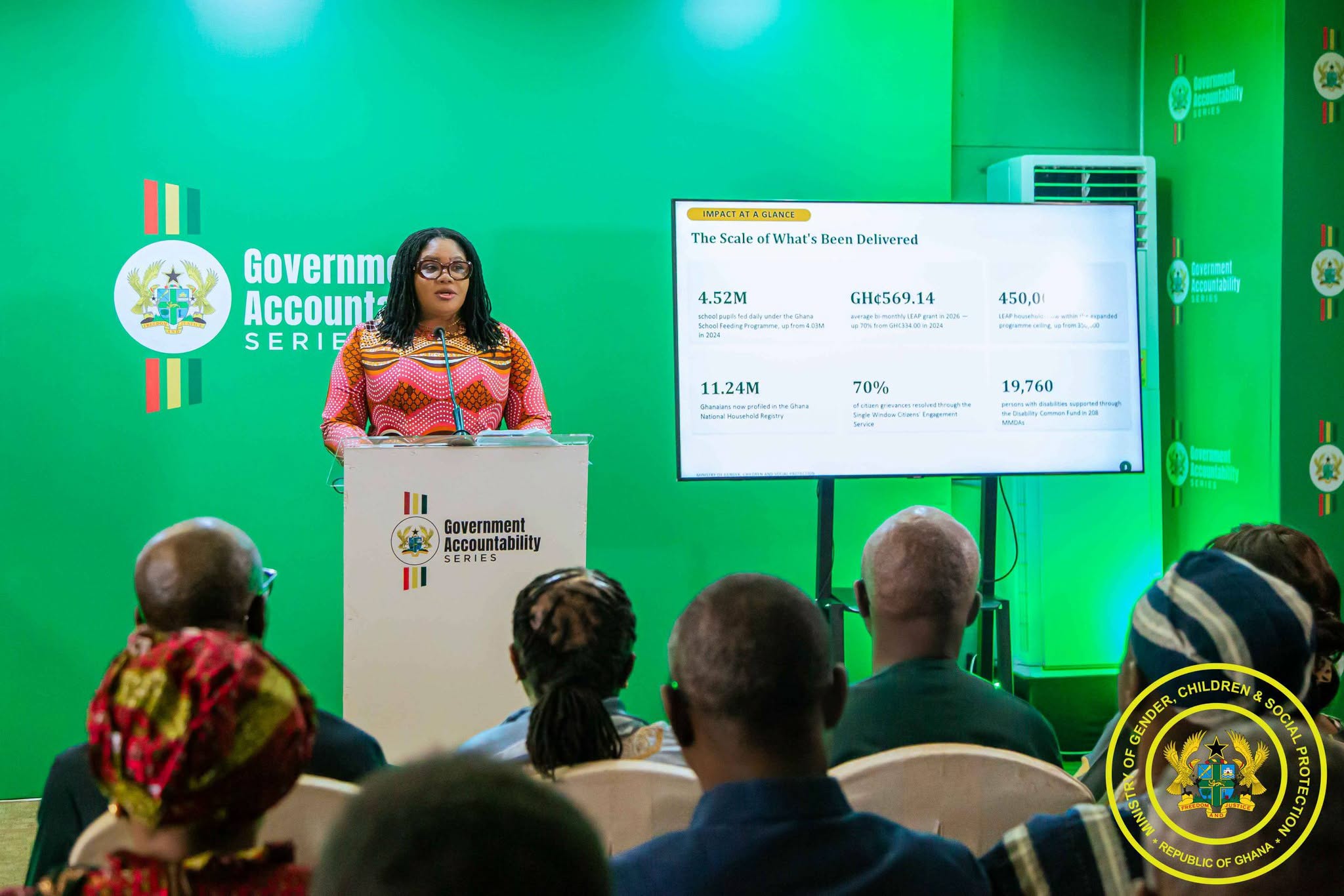
More than 4.5 million children are now receiving daily hot meals under the Ghana School Feeding Programme, while the number of households benefiting from the Livelihood Empowerment Against Poverty (LEAP) programme has risen to 450,000, reflecting an expansion of the government’s social protection interventions.
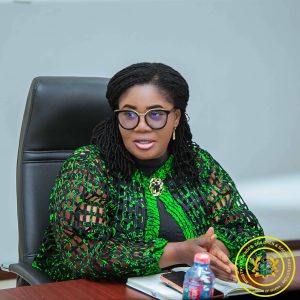
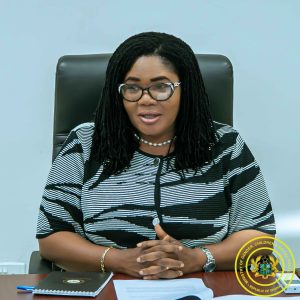
The Minister for Gender, Children and Social Protection, Dr Agnes Naa Momo Lartey, disclosed this on Wednesday, when she presented the Ministry’s performance at the Government Accountability Series.
She said the number of children benefiting from the school feeding programme increased from 4.03 million in 2024 to 4.53 million, providing daily nutritious meals to children across the country.
The Minister also announced an increase in the average LEAP grant from GH¢360 in 2024 to GH¢569.14 in 2026, alongside an expansion of the programme’s coverage ceiling from 350,000 to 450,000 households.
According to Dr Lartey, the Ministry had also profiled 11.24 million Ghanaians through the National Household Registry, strengthening the database used to identify and support people in need of social protection services.
She said the Ministry was resolving seven out of every 10 grievances received, while 19,760 persons with disabilities had benefited directly from the Disability Common Fund.
Beyond the expansion of existing programmes, the Minister identified the passage of the Social Protection Act, 2025 (Act 1148), as a significant step towards strengthening the country’s social protection system.
The law, she explained, provides a legal framework for the implementation and coordination of social protection services, helping to improve the effectiveness and sustainability of interventions targeted at vulnerable groups.
Dr Lartey said the Ministry’s work was centred on five priority areas: strengthening social protection; promoting gender equality and women’s empowerment; protecting children and strengthening families; supporting vulnerable and excluded groups, including persons with disabilities; and addressing violence, abuse and exploitation.
She stressed that the impact of social protection should not be measured solely by the number of beneficiaries reached, but also by the changes the interventions bring to the lives of individuals and families.
“Behind the statistics are individuals and families whose lives are being affected by these interventions,” she said, emphasising the need for policies to translate into tangible improvements in people’s welfare.
The Minister said the Ministry would continue to strengthen social protection systems and ensure that programmes respond effectively to the needs of children, women, persons with disabilities and other socially and economically excluded groups.
This version puts the human and measurable impact of the Ministry’s programmes at the centre, giving the story a stronger news lead rather than simply reporting the Minister’s accountability presentation.
Grace Acheampong, ISD