Government Deepens Efforts to Strengthen Social Protection at Community Level
Ghana’s strengthened social protection framework is being supported by renewed efforts to ensure that vulnerable individuals and households can access government support at the community level.
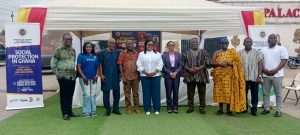
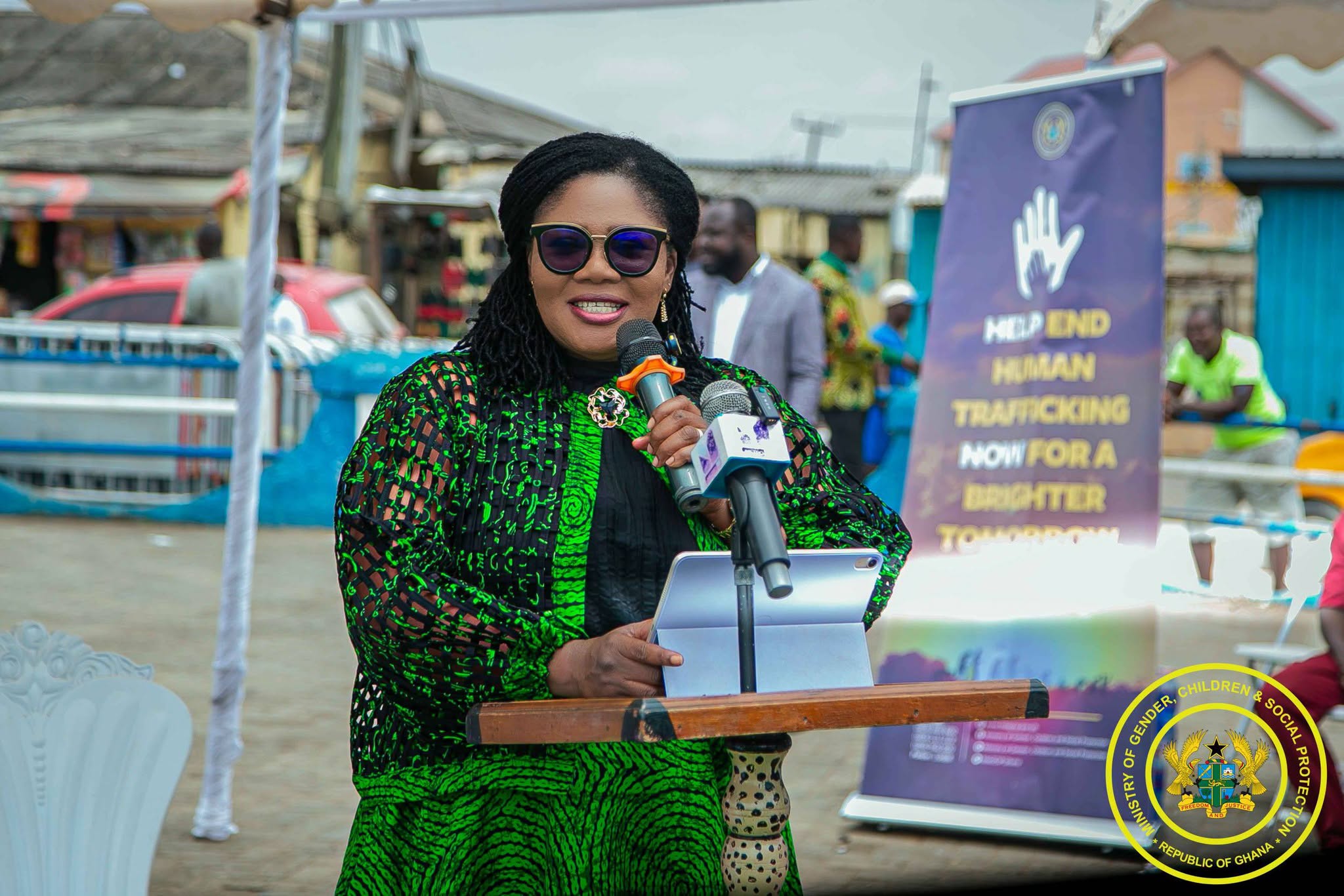
The Minister for Gender, Children and Social Protection, Dr Agnes Naa Momo Lartey, said this when the Ministry engaged residents of Teshie in the Ledzokuku Municipality as part of its Community Dialogue Series on Social Protection and other social issues.
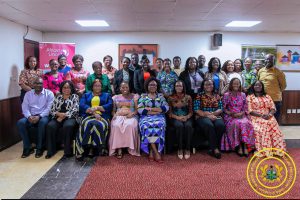
The engagement brought government officials, local stakeholders and community members together to discuss existing social protection programmes and challenges affecting vulnerable groups.
Dr Lartey said the passage of the Social Protection Act, 2025 (Act 1148), and the Social Protection Regulation, 2026 (L.I. 2521), has created a stronger foundation for the coordination and delivery of social protection services in the country.
She explained that the legal framework was intended to strengthen the government’s ability to respond to poverty and vulnerability while promoting social inclusion and improving the quality of life of people in need.
According to the Minister, however, legislation and government programmes could only achieve their intended impact when communities were actively involved in identifying vulnerable persons and connecting them to available services.
“Social protection is not simply a government programme; it is a shared national responsibility that requires the active participation of communities,” she said.
She noted that the Ministry’s community engagements were intended to bridge the gap between national policy and the realities faced by people at the local level.
Through the dialogue series, residents are given the opportunity to raise concerns, seek clarification on government interventions and provide feedback that can inform policy and programme implementation.
Dr Lartey further disclosed that the Ministry had partnered with the National Health Insurance Authority to provide free registration and renewal for eligible vulnerable and indigent persons during the community engagements.
She identified the Livelihood Empowerment Against Poverty (LEAP) Programme and the Ghana School Feeding Programme as major interventions supporting vulnerable households and children. She also highlighted newer initiatives, including Mahama Care, free tertiary education for persons with disabilities, free primary healthcare and the Free Sanitary Pads initiative, as measures aimed at expanding social support and building a more inclusive society.
The Member of Parliament for Ledzokuku, Benjamin Narteh Ayiku, welcomed the Ministry’s decision to engage residents directly, noting that such interactions provided an avenue for government to better understand the challenges confronting people in the constituency.
He urged residents to take advantage of available government programmes and services and to continue bringing their concerns to the attention of the appropriate authorities.
The engagement also provided education on domestic violence, child marriage, teenage pregnancy, human trafficking, child protection, the National Health Insurance Scheme (NHIS) and the LEAP reassessment exercise.
Residents participated actively in the discussions, asking questions and sharing experiences on social protection and other issues affecting their households.
The Teshie engagement is part of the Ministry’s broader effort to strengthen the connection between social protection policy and the communities that depend on these interventions, while ensuring that government support reaches those who need it most.
Grace Acheampong, ISD