Attorney General to draft bill protecting state lands, buildings and factories from arbitrary disposal
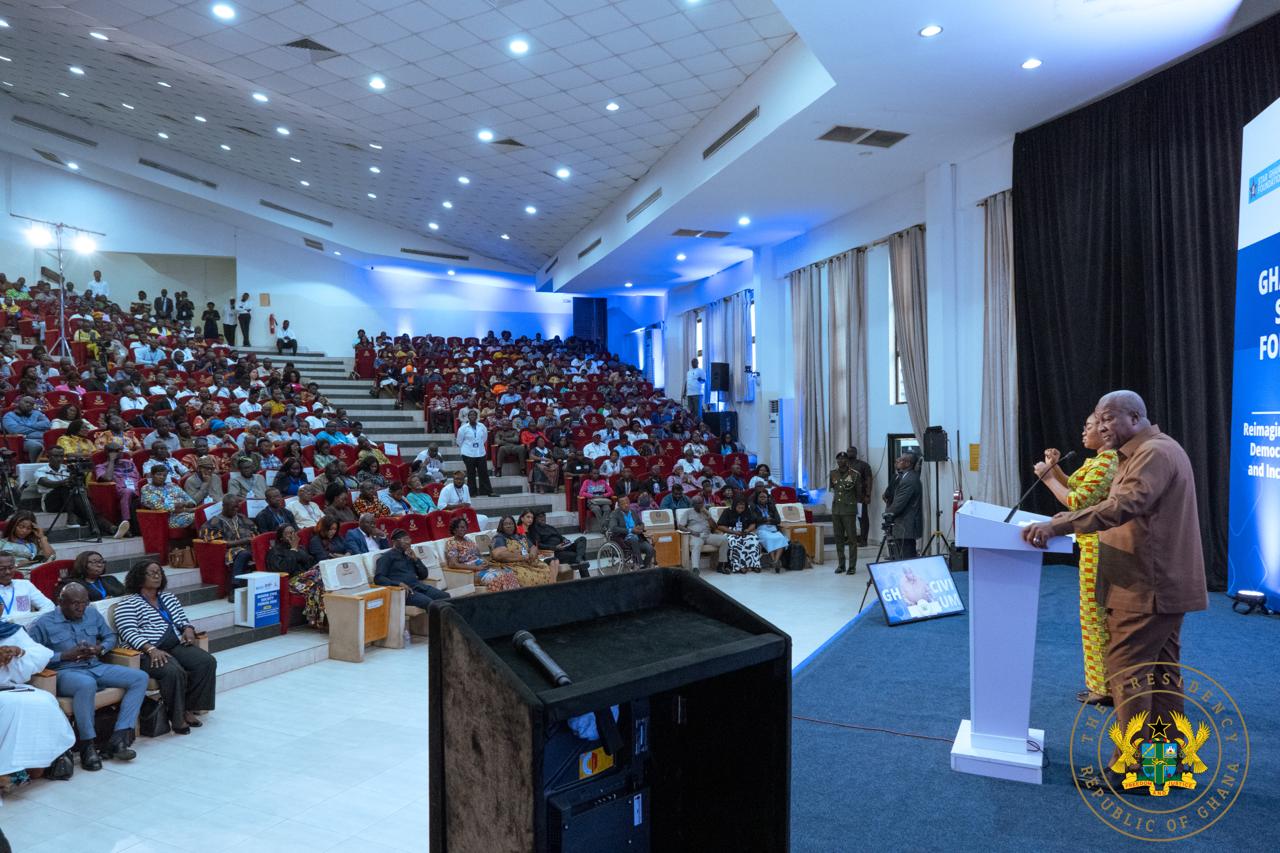
Cabinet has directed the Attorney General to draft a State Assets Protection Bill that will provide clear guidelines governing the disposal of government-owned assets, including lands, buildings, factories and industries, to prevent any administration from disposing of them without due process.
President John Dramani Mahama announced the directive on Thursday while addressing the 2026 Civil Society Forum in Accra, saying the decision had been taken by Cabinet the previous day.
“Cabinet took a decision directing the Attorney General to draft a bill for the protection of state assets, called the State Assets Protection Bill. It will provide guidelines under which any state assets can be disposed, including lands, buildings, factories, and industries, so that no government capriciously disposes of state assets,” President Mahama said.
The directive came on the same day Cabinet approved the National Ethics and Anti-Corruption Action Plan 2026-2030, reflecting a broader push by the administration to tighten accountability frameworks and close gaps in the governance of public resources.
President Mahama told the forum that accountability and the fight against corruption were central to democratic consolidation and that building institutions capable of protecting state assets was as much a development imperative as it was a governance one.
He said the changing global development finance environment, marked by declining aid flows and shifting donor priorities, made it even more important for Ghana to protect and grow its own resources rather than depend on external support to finance national development.
The President said his administration had pursued prudent economic management, enhanced revenue mobilisation and strategic investment attraction as part of a broader effort to build a more resilient economy, and that protecting state assets from arbitrary disposal was part of laying the foundation for a development model that could sustain itself over the long term.
Richard Aniagyei, ISD