Climate Change Minister calls for stronger science partnerships to protect vulnerable communities
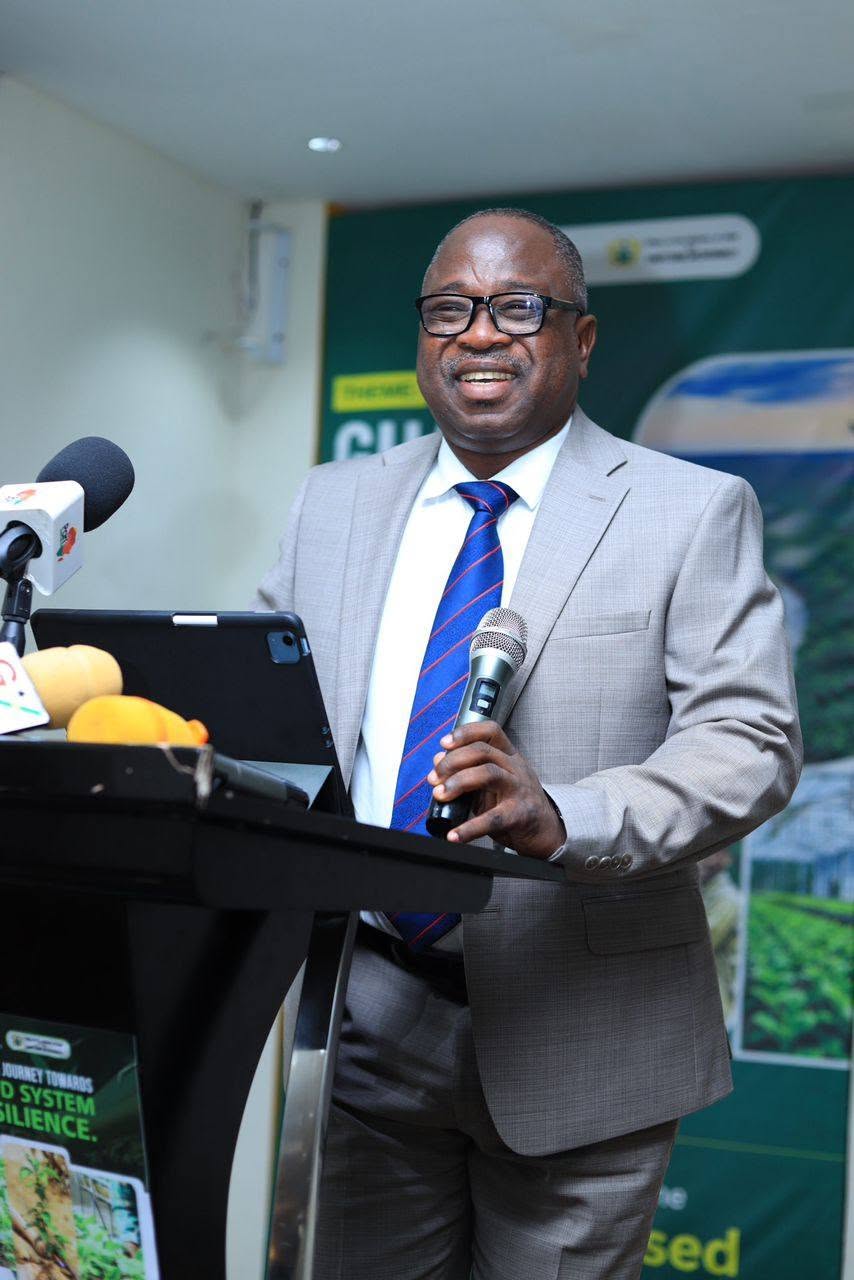
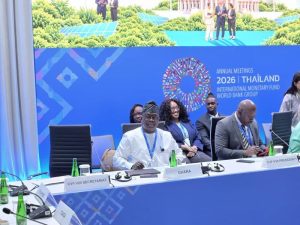
The Minister of State for Climate Change and Sustainability, Mr Seidu Issifu, has called for stronger collaboration among governments, scientists and development partners to generate evidence that will guide policies to protect vulnerable communities from the growing health impacts of climate change.
He said Africa could no longer regard climate change as a future threat because its effects were already driving disease outbreaks, food insecurity and increasing pressure on health systems.
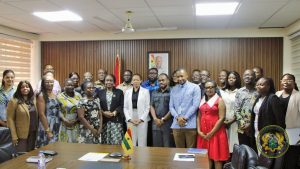
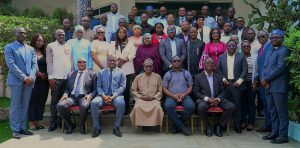
Mr Issifu made the call at the launch of the Climate and Health Science and Policy Consortiums in Africa, hosted by the Kwame Nkrumah University of Science and Technology (KNUST) in partnership with the Wellcome Trust in Accra.
The initiative established two African led consortiums to strengthen research and policymaking on the relationship between climate change and human health. KNUST will coordinate the West Africa consortium, while another consortium will serve Southern Africa.
Mr Issifu said rising temperatures, floods, droughts and air pollution were contributing to more disease outbreaks and placing additional strain on health systems across the continent.
He said the recent floods in Accra and other parts of Ghana had shown how climate related disasters could disrupt healthcare delivery, contaminate water sources, displace families and interrupt education and livelihoods.
“Climate change is no longer a projection. It is a present-day public health emergency,” he said.
Quoting World Health Organisation estimates, Mr Issifu said climate change could contribute to an additional 250,000 deaths globally each year between 2030 and 2050, with Africa expected to bear the greatest burden.
“We cannot adapt our way out of this without science, and we cannot act on science without policy,” he said.
Mr Issifu said the consortiums would place African scientists at the forefront of producing evidence that reflected the continent’s realities and supported practical solutions.
“For too long, the global conversation on climate and health has spoken about Africa, but not always with Africa in the lead. This is African led science for African realities with African solutions,” he said.
The Pro Vice Chancellor of KNUST, Professor David Asamoah, said Africa remained among the regions most vulnerable to climate change despite contributing the least to global greenhouse gas emissions.
He said changing climatic conditions were influencing the spread of malaria, while floods continued to fuel cholera outbreaks and drought worsened food insecurity and malnutrition.
Professor Asamoah said the continent had an opportunity to lead with knowledge, innovation and coordinated action to address the growing health challenges linked to climate change.
Irene Wirekoaa Osei, ISD