Ghana Health Service, Partners Step Up Efforts to Prevent Childhood Obesity and Chronic Diseases
The Ghana Health Service (GHS) and its partners are strengthening plans to prevent childhood obesity and improve access to specialised care for people living with severe chronic diseases, as part of efforts to reduce the long-term burden of non-communicable diseases (NCDs).
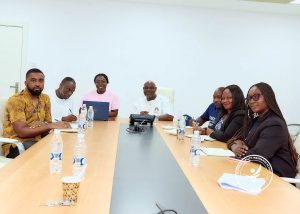
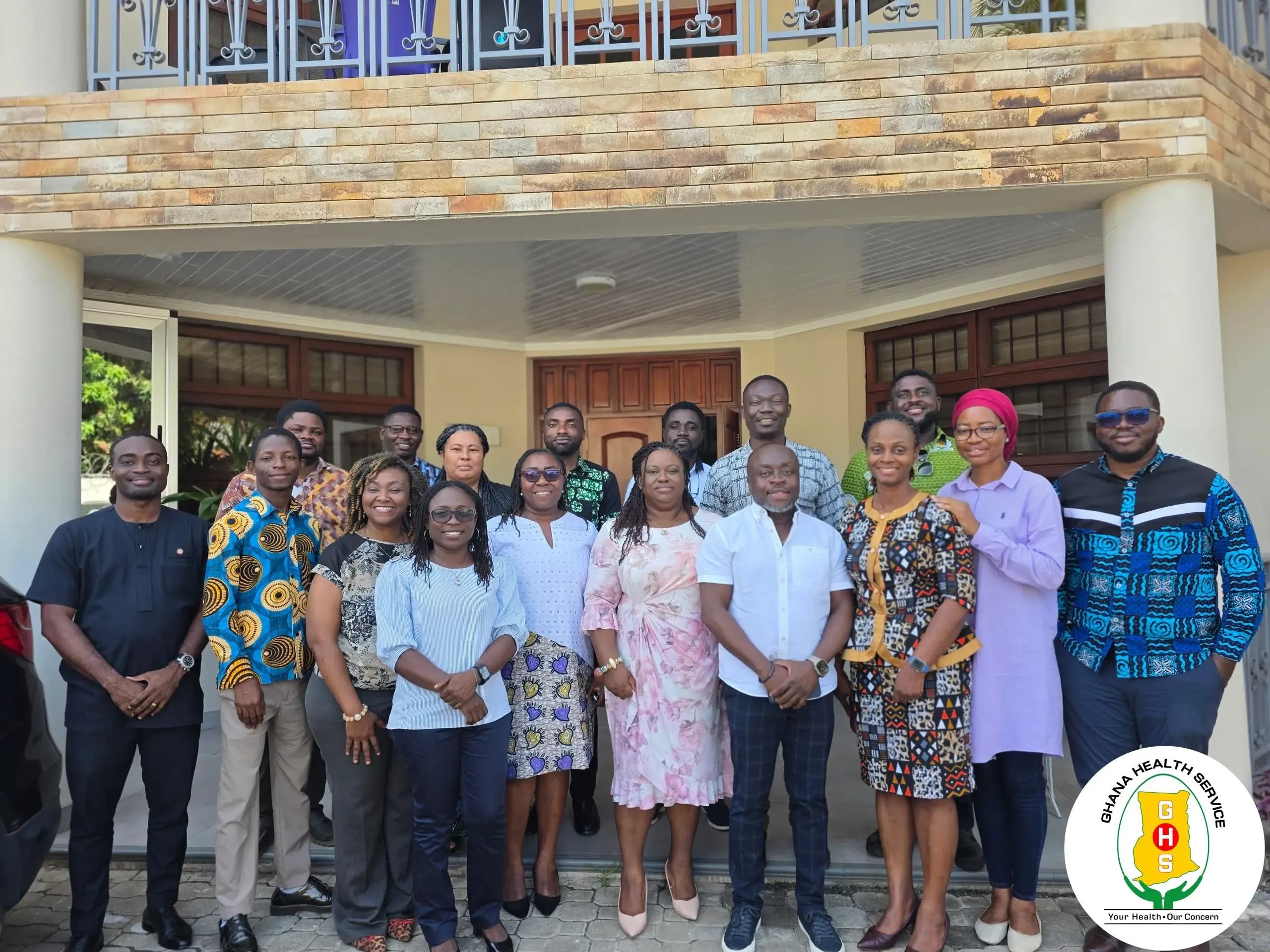
The move formed part of a technical working group meeting to review the PEN-Plus Operational Workplan for 2026 to 2031, with a focus on identifying practical, costed interventions to guide implementation in Ghana.
The meeting brought together representatives of the GHS, Clinton Health Access Initiative (CHAI), World Health Organisation (WHO), UNICEF Ghana and the NCDI Poverty Network to assess the workplan and agree on priority interventions.
Welcoming participants on Tuesday, the Programme Manager for the GHS Non-Communicable Diseases Programme, Dr Wallace Odiko Ollennu, called for a realistic and properly costed plan that would improve access to essential services, particularly for children.
He said the interventions should be available across all levels of the health system, from primary healthcare facilities to district and referral hospitals, to reduce barriers to timely and appropriate care.
Dr Ollennu urged members to critically examine outstanding issues and agree on the essential package of interventions needed to implement the programme. He added that a clear budget would also help attract support from development partners.
Speaking on behalf of UNICEF Ghana, Dr Manuel Dewez warned that the rising burden of NCDs could place increasing pressure on the country’s health system if greater attention was not given to prevention.
He noted that health authorities and partners already faced challenges mobilising resources for vaccines, nutrition commodities and other essential interventions, while the future cost of treating chronic diseases could be considerably higher.
Dr Dewez identified childhood obesity prevention as a key area for UNICEF’s support, stressing that eating habits and lifestyle choices formed early in life could shape health outcomes into adulthood.
He called for early interventions to promote healthier lifestyles, prevent obesity and reduce the risk of developing chronic diseases, noting that prevention could also help lower future healthcare costs.
Representing the WHO Ghana office, Dr Leveana Gyimah reaffirmed the organisation’s support for the initiative and highlighted the importance of addressing NCD risk factors during childhood.
She said early action to encourage healthy lifestyles could help prevent chronic conditions and improve long-term health outcomes.
Dr Leonard Baatiema, speaking for the NCDI Poverty Network, commended the GHS for moving the process from evidence generation and stakeholder discussions towards practical implementation planning.
He recalled that the initiative began in 2022 with efforts to establish evidence on the burden of severe and often neglected NCDs.
Dr Baatiema said the growing involvement of stakeholders offered an opportunity to broaden Ghana’s response beyond commonly discussed conditions such as hypertension and diabetes to include severe NCDs that often receive less attention.
He expressed hope that the review would produce a practical framework to guide implementation and strengthen coordination among the GHS and its partners.
The Chair of the meeting and Head of Medical Services at Focuspoint Diagnostic Centre, Dr Francis Addae, also called for greater emphasis on prevention, particularly among children.
Drawing on his experience as a family physician, he stressed the need to address childhood obesity and other emerging health concerns alongside the treatment and management of existing conditions.
PEN-Plus is an integrated care model designed to improve access to specialised treatment for people living with severe chronic non-communicable diseases, particularly children and young adults in underserved communities.
The model is being implemented in several African countries, including Rwanda, Malawi, Zambia and Liberia. Ghana began preparations for its implementation in 2024 and is now reviewing the 2026–2031 operational work plan to guide the programme’s rollout in the country.
Grace Acheampong, ISD