Kintampo Begins Clinical Trial of Lassa Fever Vaccine
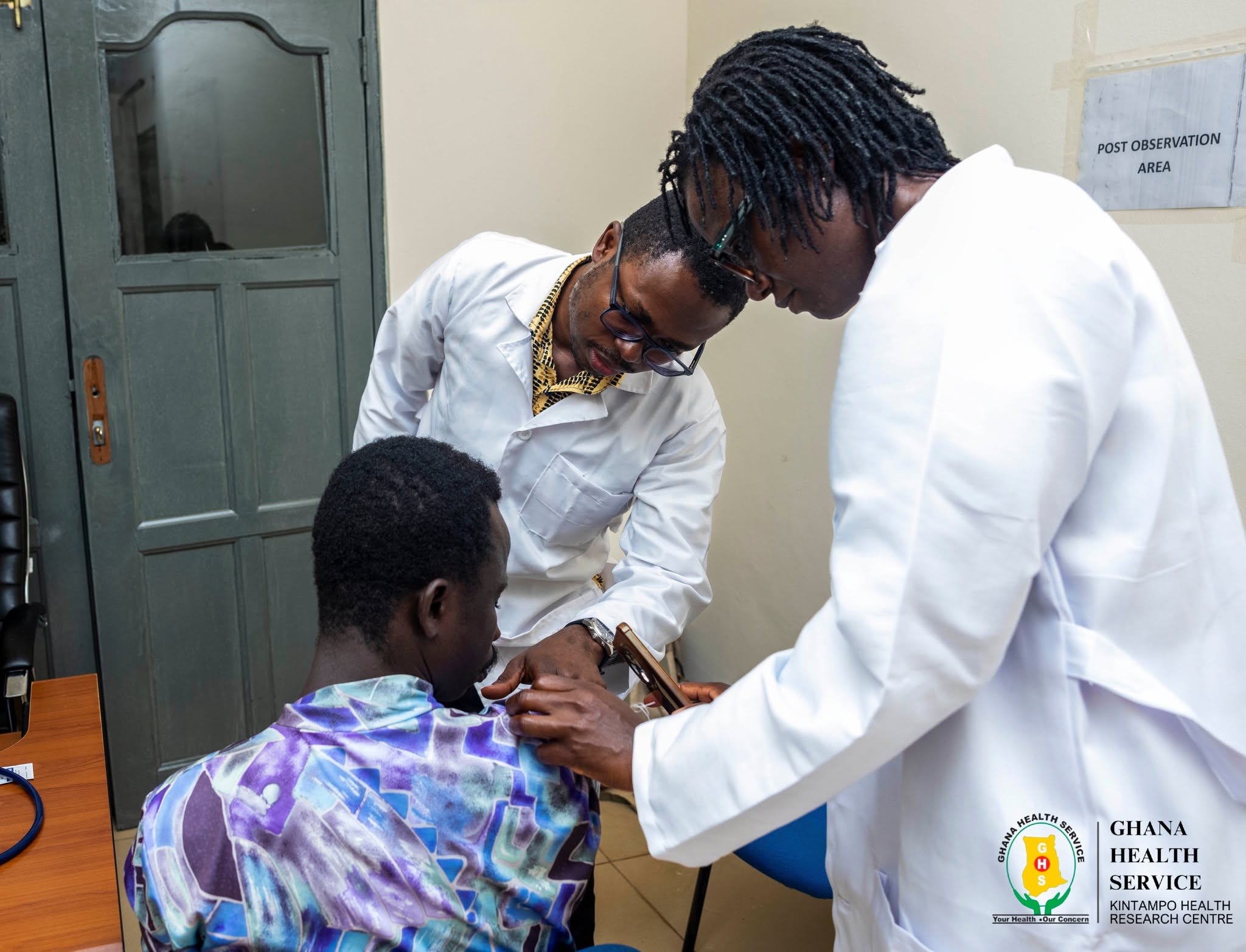
The Kintampo Health Research Centre (KHRC) has begun testing a vaccine candidate against Lassa fever, marking a new step in efforts to develop protection against the disease in Ghana and other West African countries.
The Phase 1b clinical trial will assess the safety of the ChAdOx1 LassaJ vaccine and how the immune system responds to it. It will involve 51 healthy adults aged 18 to 55 years from Kintampo North Municipality and Kintampo South District.
The study is sponsored by the University of Oxford and funded by the Coalition for Epidemic Preparedness Innovations (CEPI).
Lassa fever is an acute viral illness caused by the Lassa virus. The World Health Organisation (WHO) identifies Ghana and several other West African countries, including Nigeria, as areas where the disease is endemic. Ghana has reported sporadic cases since 2011, with its largest outbreak recorded in 2023.
The trial follows an earlier Phase 1 study of the vaccine conducted by the Oxford Vaccine Group in the United Kingdom. Developed by scientists at the University of Oxford’s Oxford Vaccine Group and Pandemic Sciences Institute, the vaccine uses the same technology platform as the Oxford-AstraZeneca COVID-19 vaccine.
Director of KHRC and one of the trial’s investigators, Prof. Kwaku Poku Asante, said the study would contribute to regional health security while strengthening the Centre’s ability to conduct early-stage clinical trials.
He noted that although Ghana was not experiencing an outbreak at the time, the disease remained a concern because of its prevalence in neighbouring countries and the frequent movement of people across borders.
“This is the second Phase 1 trial at KHRC, and this one is particularly important. We have all heard about Lassa fever and the outbreaks in the region,” he said, adding that daily interactions and travel between Ghana and Nigeria made research into the disease particularly relevant.
Prof. Asante said the trial protocol had undergone the required regulatory reviews in Ghana and the UK before the study began.
The principal investigator at KHRC, Dr Seyram Kaali, reaffirmed the research team’s commitment to conducting the trial in line with the highest ethical and regulatory standards.
Chief Investigator of the study, Prof. Maheshi Ramasamy, welcomed the vaccination of the first participant, describing it as a major milestone for the research team and its partners.
She commended KHRC for its expertise, dedication and teamwork, while acknowledging the important role of participants in advancing efforts to develop a vaccine against Lassa fever.
Dr Katrin Ramsauer, Lassa Disease Programme Lead at CEPI, said the start of the Ghana trial was significant, particularly because communities across West Africa had waited more than 50 years since the disease was first identified without a licensed vaccine.
She said the trial represented an important step towards addressing that gap while building research capacity in the region.
Similarly, the Director of Healthcare Services at the West African Health Organisation (WAHO), Dr Virgil Lokossou, described the trial as a proud moment for West Africa, particularly because it was being led by scientists in the region.
He said countries participating in the Lassa fever Coalition were preparing to ensure that, once a vaccine was proven safe and effective, it could reach the communities that needed it most.
KHRC, a research centre under the Ghana Health Service, has conducted clinical trials for more than 30 years. Its work spans early-stage studies of vaccines and medicines in humans, as well as larger trials assessing safety, effectiveness and impact under real-world conditions.
The Centre also has a well-equipped clinical trial unit to manage medical emergencies during research.
Recruitment for the Lassa fever vaccine trial is underway, with interested volunteers to be screened to determine their eligibility. The 51 participants will be assigned to groups receiving different combinations of the vaccine candidate and a placebo, which contains no active vaccine ingredient.
Each participant will be followed for one year to monitor safety and assess the body’s immune response to the vaccine.
The findings are expected to provide further evidence on the vaccine candidate’s safety and immune response, informing subsequent stages of its development.
Grace Acheampong, ISD