Ghana Pursues Information Integrity Without Restricting Free Expression – Dr Nafisa Mahama
Ghana is pursuing measures to strengthen information integrity while safeguarding freedom of expression, with government maintaining that efforts to curb misinformation and disinformation must not undermine citizens’ rights to participate in public life.
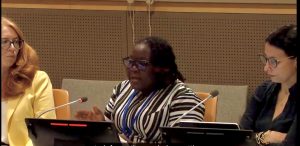
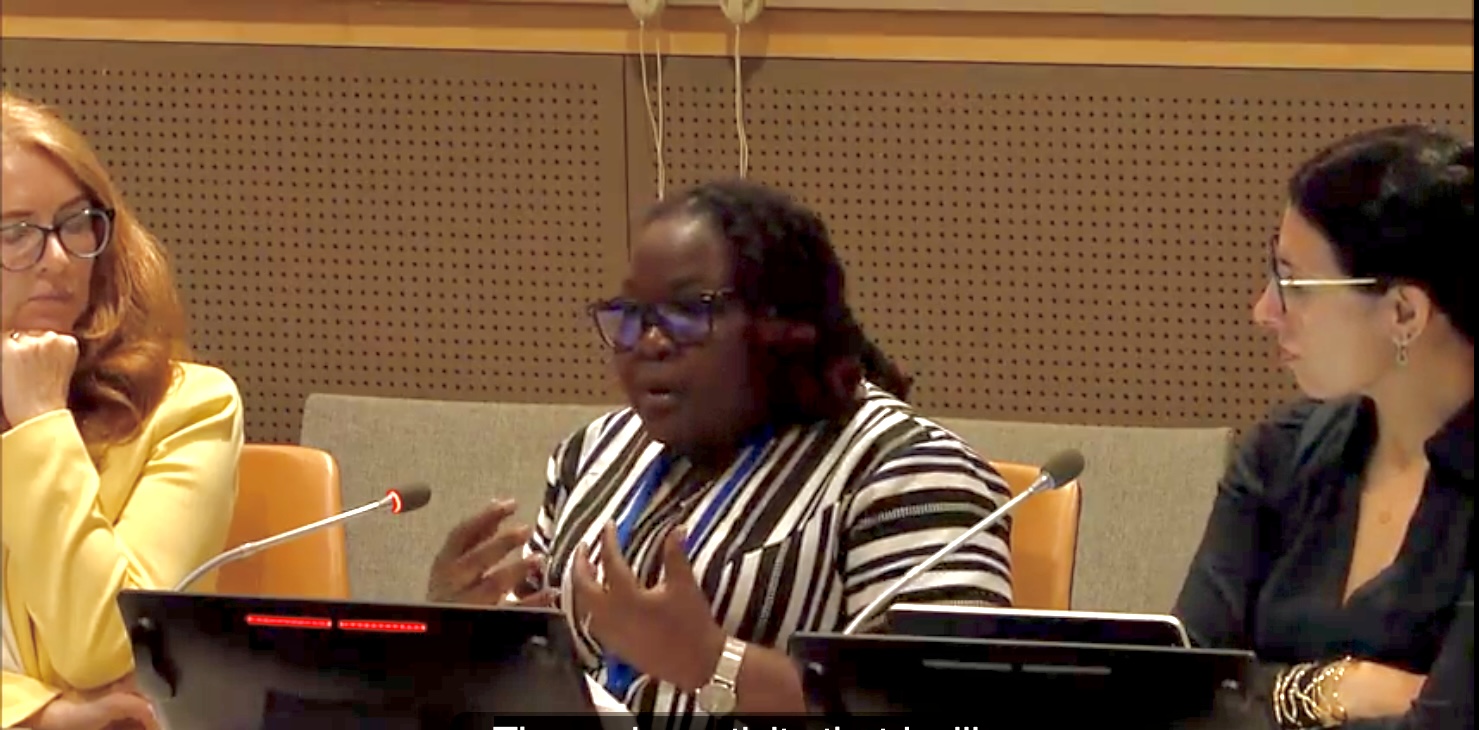
The Acting Director of the Information Services Department (ISD), Dr Winnifred Nafisa Mahama, said the country’s approach was rooted in creating an environment where citizens had access to credible information without limiting legitimate public discourse.
She made the remarks at a side event on Advancing Information Integrity held on the margins of the 81st Session of the United Nations General Assembly (UNGA81) in New York.
Dr Mahama said the role of government was to provide the institutional framework that enabled actors within the information ecosystem to work together to produce information that helped citizens make informed decisions.
She described information integrity as a foundation for trust, democracy and development, stressing that citizens could not meaningfully participate in public life without access to reliable information.
“There’s a thin line between ensuring or providing access to information and also putting in mechanisms that ensure that that information is credible,” she said.
According to her, governments must be careful that policies designed to address misinformation do not become instruments that suppress freedom of expression.
Dr Mahama noted that although many African countries had enacted Access to Information laws, legal access alone did not guarantee that citizens knew what information existed or how to obtain it.
She said the challenge was to ensure that people, including those with limited access to technology, were able to identify credible information and distinguish it from false or manipulated content.
The Acting Director said media and information literacy had become one of the most important tools in addressing that challenge, as it brought information closer to citizens while equipping them with the skills to recognise misinformation, disinformation and AI-generated content.
“It takes training to do that. And it takes budgetary options to do that,” she said.
Dr Mahama explained that Ghana’s strategy extended beyond legislation by placing strong emphasis on citizen education and public engagement, enabling people to independently assess the quality of information they encountered.
She said government’s commitment under the Open Government Partnership had produced a work plan that included education, citizen engagement and collaboration with key stakeholders as part of the national response to misinformation.
Dr Mahama added that protecting information integrity and protecting freedom of expression should be pursued together, saying the objective was to empower citizens with credible information rather than restrict the exchange of ideas.
Richard Aniagyei, ISD