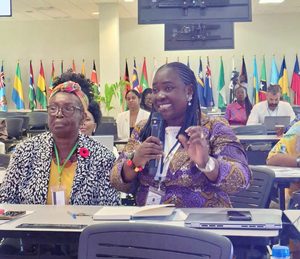
‘Kayayie’ to Have a Voice in Ghana’s New National Protection Framework
Female head-porters, popularly known as ‘Kayayie’, are expected to play a direct role in shaping a new national framework aimed at improving their protection, expanding their opportunities, and addressing the challenges that drive young girls into head-pottering.
The initiative, led by the Ministry of Gender, Children and Social Protection (MoGCSP), seeks to place the experiences and concerns of Kayayie at the centre of a coordinated national response to the phenomenon.
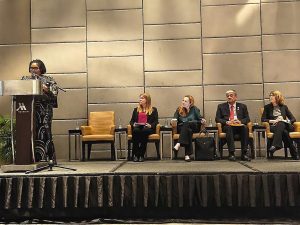
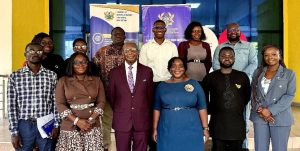
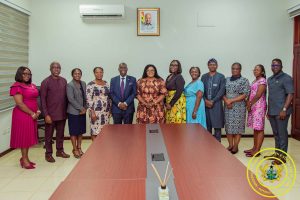
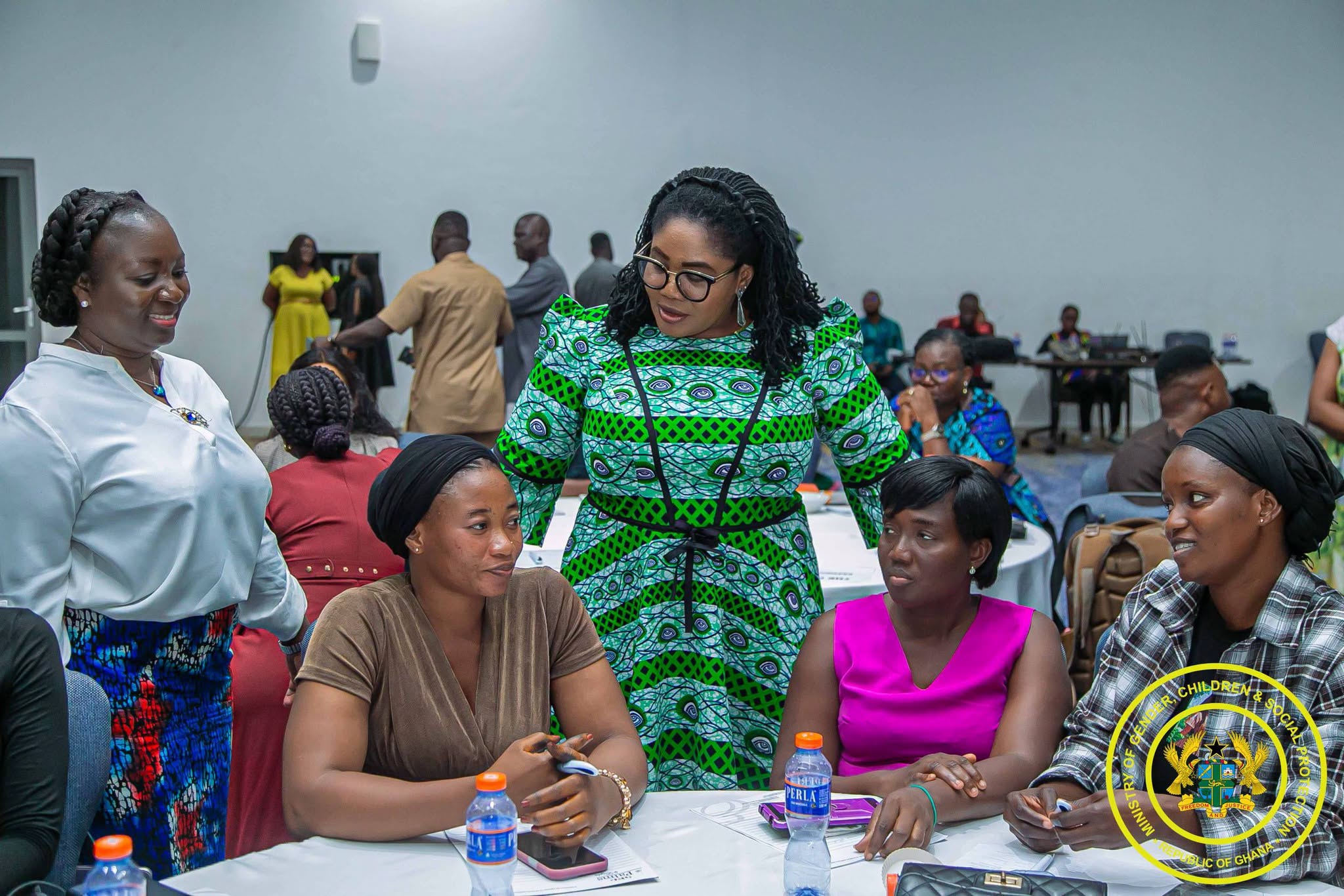
The Minister for Gender, Children and Social Protection, Dr Agnes Naa Momo Lartey, outlined the initiative at the First National Stakeholders’ Dialogue on the Development of the National Kayayie Management Framework, held in Accra on Monday.
She said the framework would provide strategic direction for preventing unsafe migration, protecting vulnerable girls and women, facilitating rehabilitation and reintegration, and creating sustainable livelihood opportunities.
Dr. Lartey expressed concern about the migration of young girls, some as young as 10, from communities in Northern Ghana to urban centres such as Accra, Kumasi, Takoradi and Tamale to engage in head-pottering activities.
She stressed that addressing the phenomenon required a comprehensive approach that went beyond immediate interventions to tackle the underlying vulnerabilities that exposed girls to unsafe migration and limited livelihood options.
The Minister explained that the framework would establish clear institutional responsibilities, coordination arrangements and accountability mechanisms to ensure that government institutions and other stakeholders worked together effectively.
She also highlighted existing government policies and programmes that could help address the root causes of the phenomenon and called on participants to contribute practical recommendations towards a coordinated and sustainable national response.
The Chief Director of the Ministry, Dr Marian W. A. Kpakpah, urged participants to approach the discussions with openness, responsibility and a commitment to practical outcomes and described the Kayayie phenomenon as a matter of national concern that required collective attention and sustained collaboration.
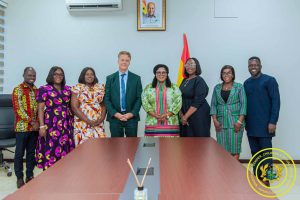
Representatives of the Office of the Vice President, Dr Miriam Rahinatu Iddrisu, and UNFPA Ghana, Mr David Wilfred Ochan, described the dialogue as timely and emphasised the need for solutions that reflected the lived experiences of Kayayie.
They called for a shift from focusing solely on the challenges associated with head-pottering to listening to the women and girls involved, recognising their contributions and responding to their circumstances with dignity and urgency.
Dr Iddrisu noted that Kayayie should not be seen merely as a problem to be managed, but as young women, mothers, daughters and workers who made important contributions to Ghana’s urban economy.
Both representatives reaffirmed their organisations’ commitment to supporting the Ministry and other relevant institutions to ensure that the framework translated into practical interventions rather than becoming another policy document without meaningful implementation.
A key feature of the engagement was the opportunity for Kayayie themselves to share their experiences, assess existing interventions and make recommendations towards shaping the final document.
The dialogue, organised by the Ministry through its Department of Gender, with support from the United Nations Population Fund (UNFPA), was held under the theme: “Building Inclusive Partnerships and Sustainable Solutions for the Empowerment and Protection of Kayayie Girls in Ghana.”
Grace Acheampong, ISD