
NAS Deploys Digital Tool to Speed Up Emergency Patient Referrals in Ashanti Region
A new digital referral system is set to transform the way emergency patients are referred to health facilities in the Ashanti Region, with the National Ambulance Service (NAS) preparing Emergency Medical Technicians (EMTs) to use the platform across the region.
The Integrated Bed Management and Referral Coordination System (IBMRCS) is designed to give ambulance crews and dispatch personnel real-time information on hospital bed availability, facility capacity, and available services before a patient is referred.
The system is expected to help EMTs make faster and more informed decisions about where to take patients, reducing delays that often occur when ambulances arrive at facilities unable to receive or manage particular cases.
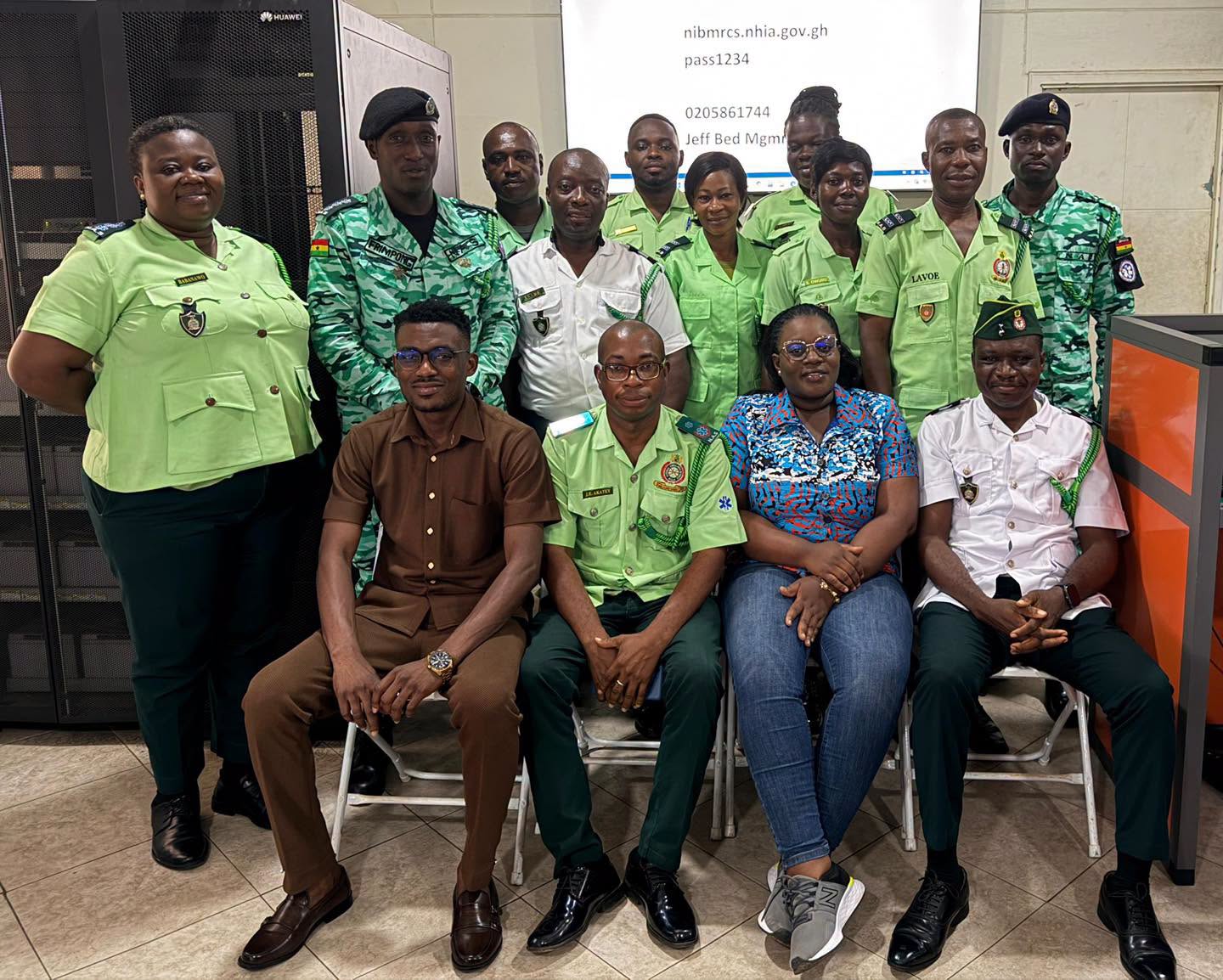
As part of preparations for the rollout, EMTs from ambulance stations across the Ashanti Region have completed a four-day Training of Trainers programme at the Ashanti Regional Dispatch Centre.
The training provided participants practical knowledge of the IBMRCS and prepared them to train other EMTs at their respective stations, creating a network of personnel capable of supporting adoption of the system across the region.
The digital platform is also expected to contribute to efforts to address the persistent challenge popularly known as the “No Bed Syndrome,” by providing more accurate, up-to-date information on the capacity of health facilities.
With access to such information before arrival, ambulance crews can identify facilities better positioned to receive patients, potentially reducing the time spent searching for an available bed and improving the efficiency of emergency transfers.
Participants in the training welcomed the initiative, saying the system could help reduce ambulance waiting times at health facilities and improve the overall coordination of emergency referrals.
Under the rollout plan, the trained EMTs will take on the additional responsibility of sharing their knowledge with colleagues at their respective stations and supporting the wider implementation of the system throughout the Ashanti Region.
The initiative forms part of the National Ambulance Service’s broader efforts to use technology and innovation to strengthen prehospital emergency care and ensure that patients receive timely, coordinated and appropriate medical attention.
By connecting ambulance teams and health facilities with real-time information, the IBMRCS is expected to make emergency referrals more coordinated and responsive, while supporting better outcomes for patients across the region.
Grace Acheampong, ISD