NDPC calls for demographic dividend agenda to be captured in national development plan
The National Development Planning Commission (NDPC) has urged the government and relevant institutions to make Ghana’s demographic dividend agenda a key component of the consolidated national development plan to ensure that investments in young people deliver measurable development outcomes.
The Commission said recommendations from the ongoing national dialogue on the demographic dividend should feed directly into the preparation of the plan, which is expected to guide Ghana’s long-term development priorities.
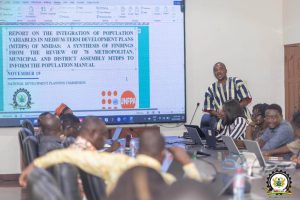
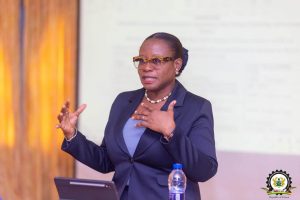
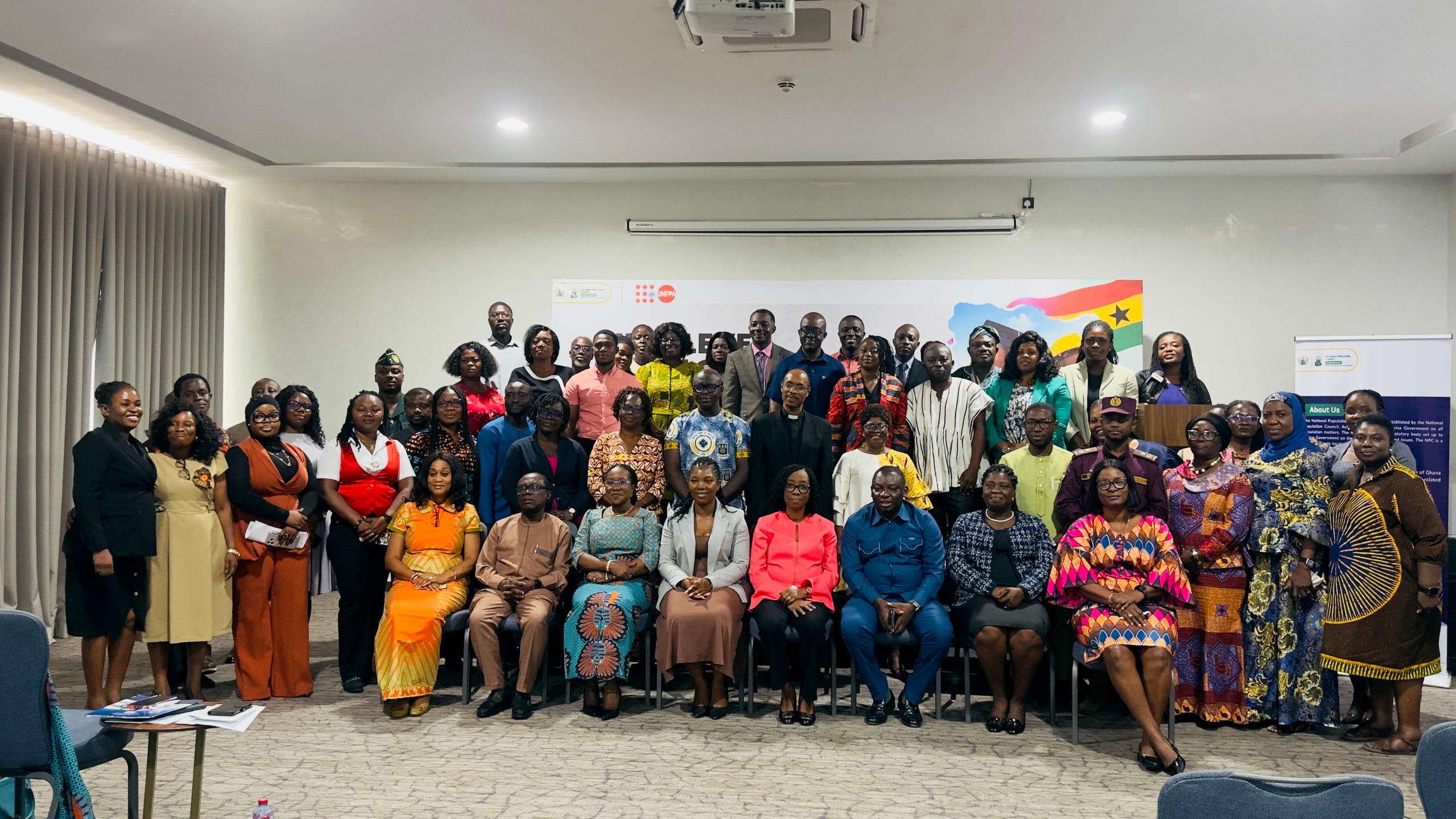
The Principal Planning Analyst of the NDPC, Vera Baffoe, made the call at a High-Level National Demographic Dividend Policy Dialogue organised by the National Population Council in Accra on Wednesday.
The dialogue was held on the theme: “Advocating for Increased Investment in Youth Skills, Education and SHR to Harness Ghana’s Demographic Dividend.”
Madam Baffoe said Ghana’s growing youth population offered an opportunity to accelerate economic growth, but the country needed to invest in their health, education, skills and reproductive rights to realise the benefits.
She said the demographic dividend agenda must go beyond workshops and policy discussions and find expression in national development plans, sectoral and district plans, budgets and implementation programmes.
According to her, the 2021 Population and Housing Census showed that young people aged between 15 and 35 constituted about 38 per cent of Ghana’s population, while the working-age population continued to expand.
She cautioned that the opportunity would not remain open indefinitely, noting that Ghana needed an economy capable of providing productive employment for its growing workforce.
Madam Baffoe said the NDPC had, since 2017, coordinated the country’s demographic dividend agenda through the development of a demographic dividend roadmap and a common resource framework.
She said the Commission had also worked with the National Population Council, the United Nations Population Fund (UNFPA) and other technical institutions to develop Ghana’s demographic dividend model and national transfer accounts.
The Commission also revised the national demographic dividend reports in 2024 using data from the 2021 Population and Housing Census.
Madam Baffoe said the focus should now be on translating the available research and evidence into measurable outcomes that would improve the productivity and welfare of young people.
She called on institutions participating in the dialogue to identify gaps in financing, coordination and implementation and make specific commitments to address them.
She urged participants to ensure that recommendations from the dialogue were concrete, measurable and subject to monitoring to enable their inclusion in the consolidated national development plan.
The Associate Professor at the Regional Institute for Population Studies (RIPs), University of Ghana, Professor Stephen Owusu Kwankye, called for improved access to family planning services for young people.
He cited findings from a review of Ghana’s Family Planning Costed Implementation Plan, which showed that about 10 per cent of young people surveyed believed family planning services should not be provided to them.
The review also found that approximately nine per cent of service providers held the view that unmarried young people should not have access to family planning services.
Prof. Kwankye warned that such attitudes could discourage young people from seeking appropriate health services and expose them to decisions influenced by misinformation and peer pressure.
He also called for greater youth participation in national governance, urging institutions to create opportunities for young people to contribute to decision-making beyond the youth wings of political parties.
Irene Wirekoaa Osei, ISD