NPC calls for increased investment in 12 million Ghanaian youth to drive economic growth
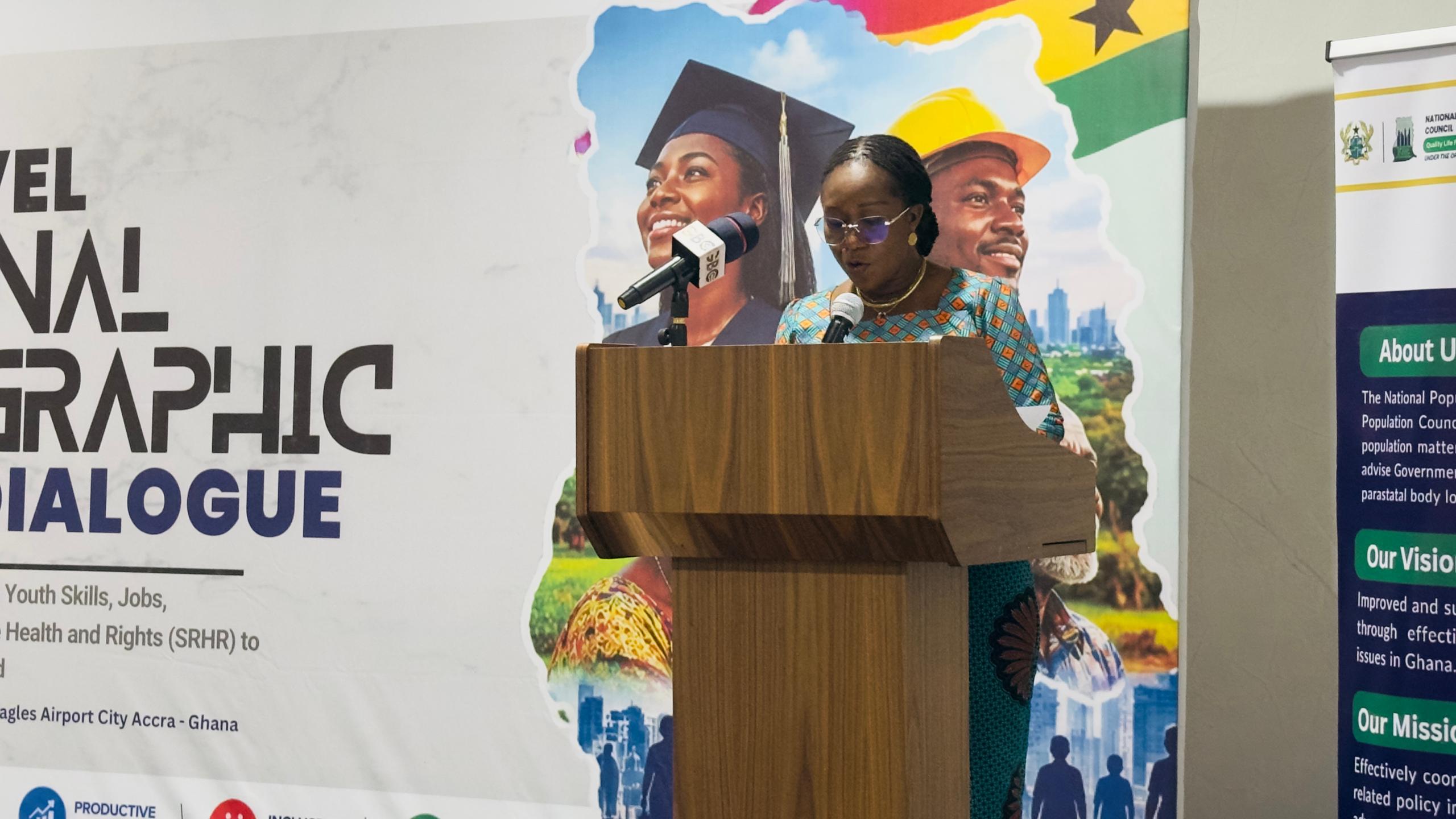
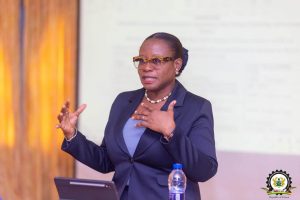
The Acting Executive Director of the National Population Council (NPC), Angelina Osei Kodua-Nyanor, has called for increased investment in young people to enable Ghana to harness its demographic dividend and accelerate economic development.
She said Ghana had approximately 12 million young people, representing the largest generation of youth in the country’s history, whose potential could become a major source of economic growth if supported with the right policies and investments.
Speaking at a High-Level National Demographic Dividend Policy Dialogue in Accra on Wednesday, she said a youthful population alone did not guarantee economic benefits, noting that the demographic dividend could only be achieved through deliberate policy choices and sustained investment in human capital.
Madam Osei Kodua-Nyanor cited the decline in Ghana’s average fertility rate from 6.4 children per woman in 1988 to 3.9 currently as evidence of the country’s changing population structure, which presented an opportunity to increase the proportion of people available to work relative to dependants.
She said the changing population structure offered Ghana an opportunity to accelerate economic growth, provided the country invested adequately in education, employment and skills development.
She called for greater attention to girls’ education, explaining that keeping adolescent girls in school could delay early marriage and childbearing, improve their earning potential and contribute to better outcomes for future generations.
According to her, youth skills development, education and sexual and reproductive health should not be treated as competing priorities but as interconnected investments in Ghana’s economic future.
She urged government institutions, development partners, the private sector and civil society organisations to translate their commitments into concrete interventions that would expand opportunities for young people.
The Acting Executive Director also called for young people to be given a leading voice in decisions affecting their future, saying they should not be treated merely as beneficiaries of development programmes but as active participants in shaping policies.
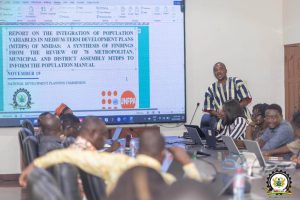
She said the dialogue was expected to produce actionable policy recommendations, clear institutional responsibilities, coordinated financing arrangements, stronger partnerships and measurable indicators for integration into national and sectoral development plans.
She urged participating institutions to agree on specific commitments and establish mechanisms to assess progress within 12 months.
“Ghana does not lack commitments. It lacks consequences,” she said, calling for greater accountability in implementing policies designed to improve the welfare and prospects of young people.
Madam Osei Kodua-Nyanor said the decisions taken at the dialogue should translate into tangible improvements in the daily lives of young people, including access to classrooms, skills training and decent employment opportunities.
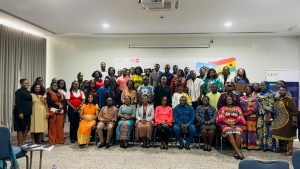
The dialogue was held on the theme: “Advocating for Increased Investment in Youth Skills, Education and SHR to Harness Ghana’s Demographic Dividend.”
Irene Wirekoaa Osei, ISD