President Mahama Advocates Reparatory Justice and Stronger Ghana-UK Security Cooperation
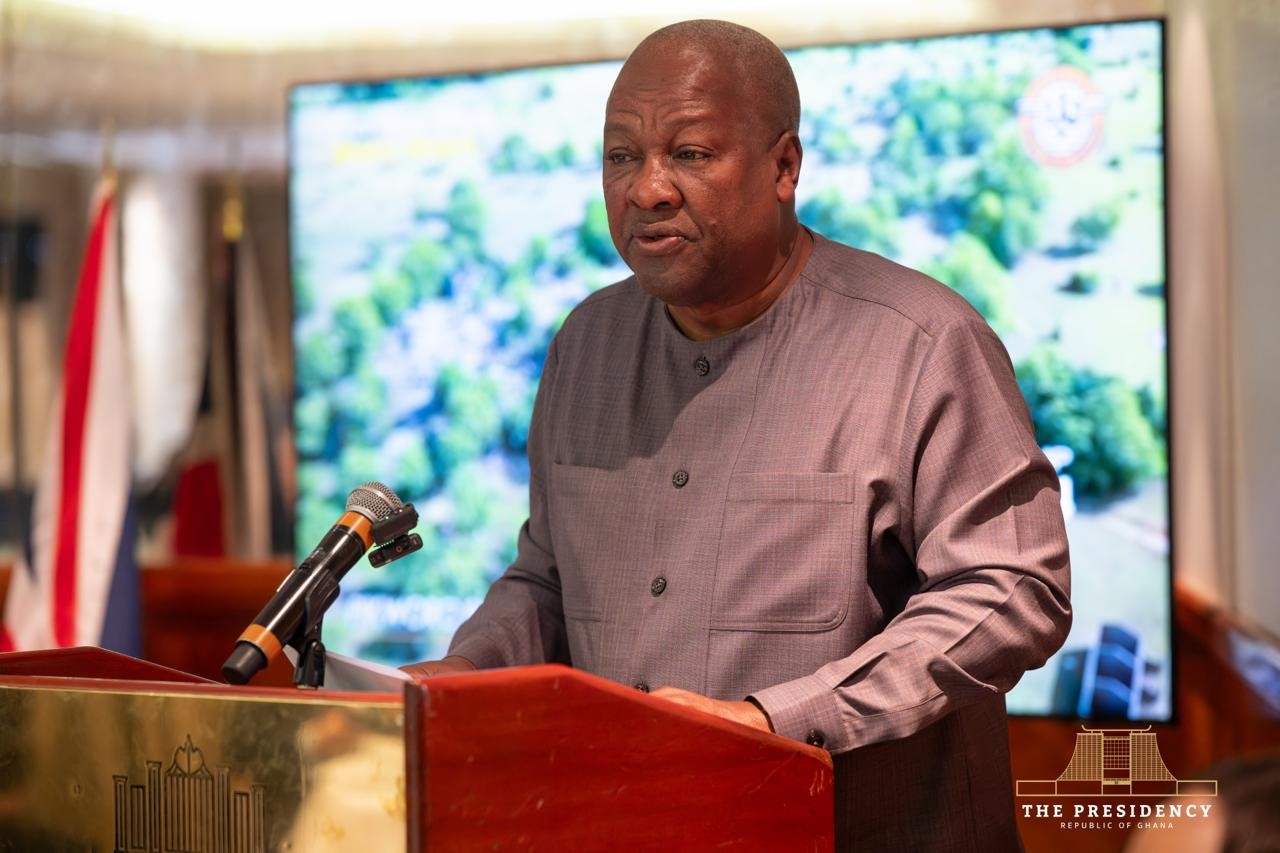
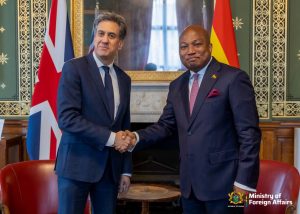
President John Dramani Mahama has called for deeper international engagement on reparatory justice and stronger security cooperation between Ghana and the United Kingdom, stating the need for practical partnerships that promote justice, peace and shared prosperity.
Speaking at a Presidential Cross-Party Parliamentary Meeting on Thursday in London, President Mahama said Ghana’s position on reparations was rooted in recognition, dialogue and justice rather than financial compensation.
He urged countries to move beyond acknowledging historical injustices towards concrete actions that foster healing, reconciliation and international understanding.
“We are not here seeking the taxpayers’ cheque book. We call for acknowledgement, apology and the next steps for justice, peace and international understanding,” he stated.
The President referenced a Ghana-led and African Union-backed resolution recognising the transatlantic slave trade and racialised chattel enslavement as the gravest crime against humanity, noting that the focus must now shift towards meaningful implementation of commitments relating to historical justice.
According to him, reparatory justice is not simply about revisiting the past but about acknowledging historical wrongs, promoting healing and building a more equitable international order.
He further expressed Ghana’s readiness to work with the United Kingdom and other partners on practical initiatives, including restitution, preservation of historical records and heritage, and educational programmes.
On security, President Mahama acknowledged the importance of enhanced collaboration to address emerging threats such as terrorism, violent extremism, cybercrime and transnational organised crime. He noted that growing instability in parts of the Sahel continues to pose significant risks to West Africa and requires coordinated international responses.
While reaffirming Ghana’s commitment to maintaining peace and stability in the sub-region, he said that no country can confront modern security challenges alone. He outlined intelligence sharing, capacity building and coordinated action as vital elements in safeguarding regional and global security.
The President also pointed to the impact of conflicts in neighbouring countries and the activities of extremist groups operating across borders, stating that Ghana continues to invest in preventive measures, border security and community resilience to protect its democratic institutions and national cohesion.
He called on the United Kingdom and other international partners to support efforts aimed at tackling the root causes of insecurity, including unemployment, poverty and limited economic opportunities for young people.
He noted the growing importance of cybersecurity and digital resilience in an increasingly technology-driven world.
The Rt Hon. Lord Paul Yaw Boateng and the Rt Hon. Baroness Valerie Ann asserted the importance of drawing lessons from history and referenced the Ghanaian Sankofa philosophy as a guide for future cooperation, progress and mutual understanding.
Margaret Adjeley Sowah & Bridget Bonnie, ISD