President Mahama Sets 2030 Target to End Export of Raw Mineral Ores
Ghana is targeting an end to exports of unprocessed mineral ores by 2030, as the government steps up efforts to transform the country’s mineral resources into finished and semi-finished products for domestic industries and export markets.
The country will pursue a phased prohibition on raw mineral exports, supported by the necessary legal measures, mineral-specific requirements and transparent implementation timetables.
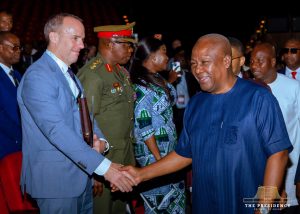
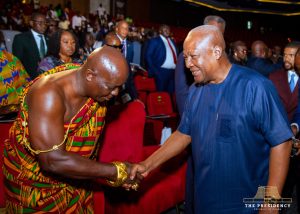
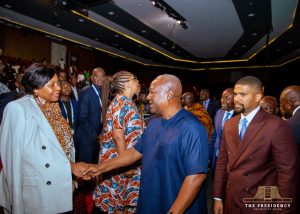
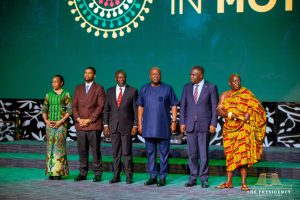
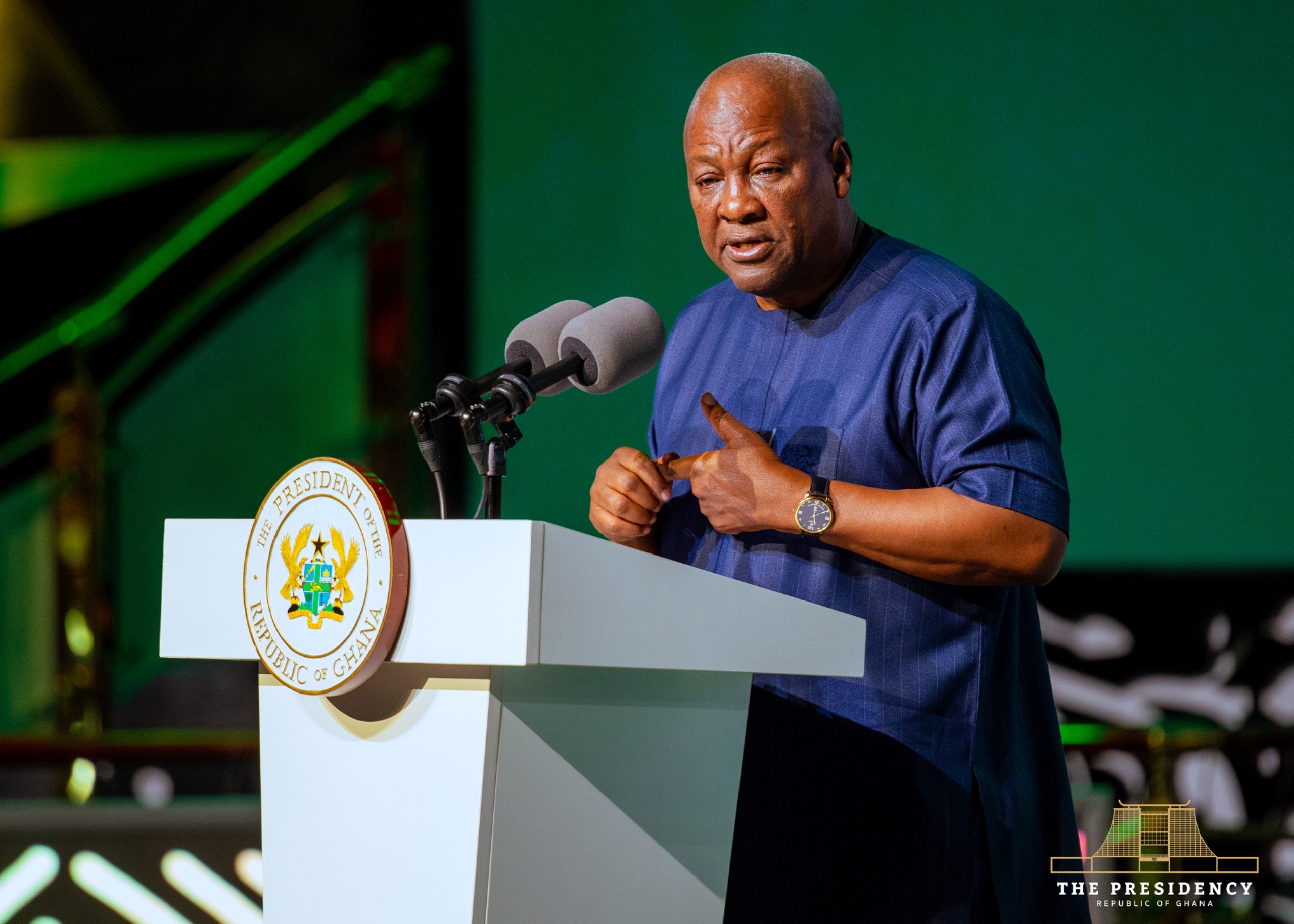
Addressing the opening of the 2026 Mining in Motion Summit in Accra, President John Dramani Mahama says said Ghana must move away from an economic arrangement in which the country exports its natural resources only to import finished products manufactured from those same materials.
“I have set a clear goal that by 2030, raw mineral ores should no longer leave our shores. Our alumina, manganese, iron, lithium and other minerals must support processing and industrial development here at home,” he said.
The President noted that Ghana had for generations exported manganese and bauxite through its ports, supplying industries abroad while missing opportunities to develop local manufacturing capacity, create skilled jobs and acquire industrial technology.
“For generations, ships have departed from Ghana’s ports, carrying Ghanaian manganese and bauxite. Much of these materials has supplied industries in other parts of the world, while we have imported the finished products made from these mineral ores,” he said.
He added that the arrangement had deprived the country of opportunities for skilled employment and technological learning, stressing the need to establish domestic industries capable of processing the country’s resources.
President Mahama said the government would pursue the export restrictions in phases, with specific requirements for different minerals and clear timelines to guide implementation.
“We will pursue a phased prohibition on exports of unprocessed ores, supported by the necessary legal measures, mineral-specific requirements and transparent implementation timetables,” he said.
He cited the existing ban on the export of iron scrap and non-ferrous metals as an example of measures already taken to support the country’s resource-management objectives.
The President said the policy would require investors to understand the processing obligations attached to access to Ghana’s mineral resources, while government works to provide the infrastructure, skills and financing necessary for competitive local production.
He explained that mineral processing must be linked to industries that can use locally produced materials, including manufacturers of aluminium products, steel, electric cables, batteries and other industrial components.
“Processing opens the door to wider industrial development. African copper can supply cable manufacturers. Aluminium can support power systems. Steel can serve our railways, construction and mining industries,” he said.
President Mahama also identified opportunities in equipment maintenance, fabrication, laboratories, software and recycling, urging universities and technical institutions to work with industry to solve production challenges and prepare young people for skilled employment.
He said Ghana welcomed investors willing to support the development of domestic processing facilities, transfer technology and build competitive industries beyond mineral extraction.
“Investors must understand the processing obligations associated with access to our resources. Government must help secure the infrastructure, skills and financing required for competitive local production,” he said.
The President added that progress towards the 2030 target must be measured by the establishment of operating facilities and the creation of sustainable jobs.
He said the country’s mineral development strategy formed part of the broader Accra Reset agenda, which seeks to give Ghanaians greater control over the decisions and productive capabilities that shape their economic future.
“The ultimate objective of the Accra Reset is to affirm that our people must have greater control over the decisions and productive capabilities that shape their future,” he said.
President Mahama urged mining companies, investors and other stakeholders to work with government to ensure that Ghana’s mineral wealth supports domestic industrialisation, expands employment opportunities and improves living standards.
Richard Aniagyei, ISD